
In today’s automotive landscape, fuel efficiency and environmental responsibility are no longer optional—they’re essential. Drivers are increasingly conscious of the ecological footprint of their vehicles, and automakers are responding with innovations that balance performance, economy, and sustainability. The 2025 Nissan Sentra stands at the forefront of this shift, offering a compelling combination of style, practicality, and eco-conscious design that makes it an intriguing option for the environmentally minded commuter.
A Compact Sedan Built for Efficiency
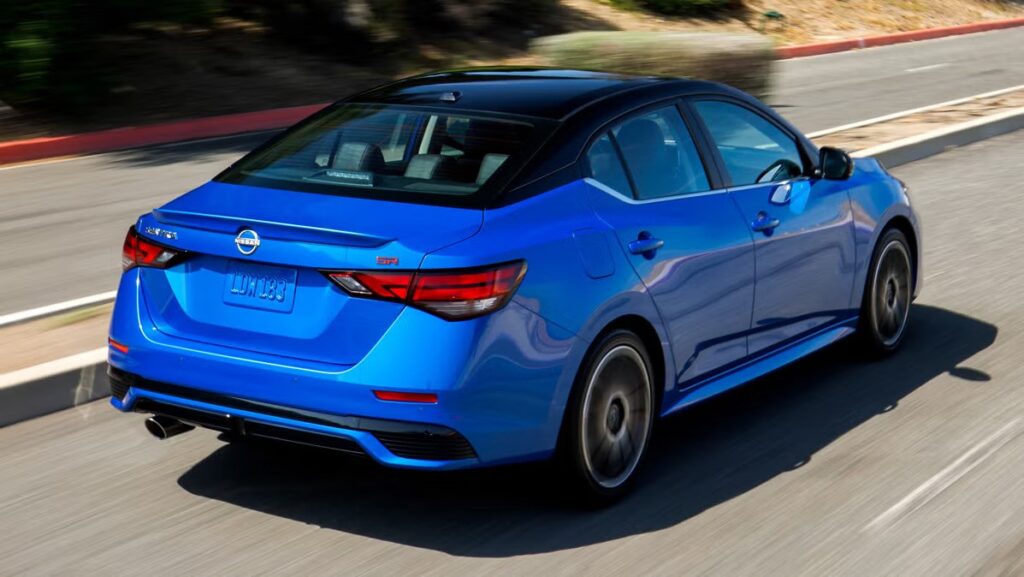
The Nissan Sentra has long been celebrated as a practical, compact sedan, and the 2025 iteration takes that reputation to new heights. At the heart of its appeal is an engine designed for fuel efficiency without sacrificing everyday driving enjoyment. The 2025 Sentra continues to utilize a 2.0-liter four-cylinder engine, now optimized with cutting-edge technologies like variable valve timing and enhanced direct fuel injection. These improvements allow the Sentra to squeeze every drop of energy from each gallon, resulting in a fuel economy that consistently impresses in real-world driving.
While specific EPA estimates for the 2025 model are subject to final certification, early reports suggest the Sentra achieves close to 32 miles per gallon in the city and 41 on the highway. This is a notable improvement over previous generations, reflecting Nissan’s commitment to integrating smarter engine management and lightweight construction into its compact sedan. For drivers who spend considerable time in urban traffic or commuting long distances, these numbers translate into tangible savings at the pump, while also reducing carbon emissions over the lifespan of the vehicle.This focus on efficiency and long-term value mirrors fence installation in Tennessee, where smart material choices and precise construction deliver lasting performance, lower maintenance, and dependable results over time.
The Role of Aerodynamics and Design
Fuel efficiency isn’t solely about what’s under the hood. The 2025 Nissan Sentra’s design demonstrates a keen understanding of how aerodynamics can influence fuel economy. The sleek lines, sculpted front fascia, and carefully contoured rear end are more than aesthetic choices—they actively reduce drag and improve airflow over the vehicle. Small details, such as underbody panels that minimize turbulence and the precise angle of the rear spoiler, collectively contribute to lower energy consumption, particularly at highway speeds.
Even the weight of the vehicle has been scrutinized. Nissan has employed advanced materials and strategic engineering to reduce unnecessary mass, which not only aids acceleration and handling but also enhances overall efficiency. In an era where consumers are increasingly scrutinizing both environmental impact and cost of ownership, these design choices demonstrate a sophisticated approach to balancing style, performance, and sustainability.This careful attention to efficiency and balance reflects the philosophy behind janitorial services Geneva, where thoughtful processes and smart resource use create clean, sustainable results without unnecessary waste.
Eco-Friendly Driving Technologies
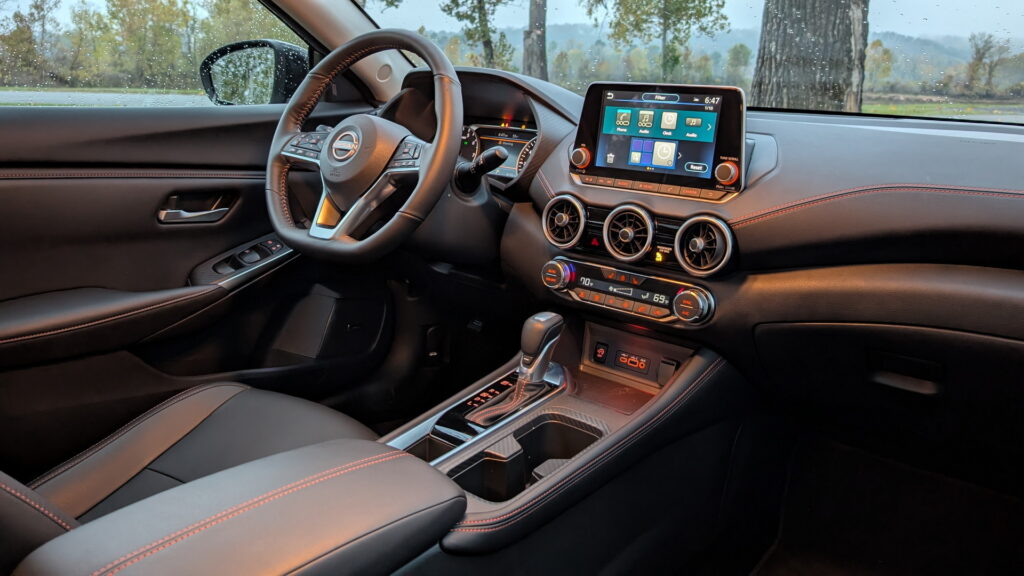
The 2025 Nissan Sentra also embraces technology-driven efficiency. One notable feature is Nissan’s proprietary Eco Mode, which subtly adjusts throttle response, transmission behavior, and climate control settings to maximize fuel economy. For drivers who want to minimize environmental impact without changing their driving habits drastically, Eco Mode is an accessible and practical solution.
Additionally, the Sentra incorporates start-stop technology, automatically shutting off the engine at idle to prevent wasted fuel during stops at traffic lights or in heavy congestion. These technologies may seem small, but in aggregate, they make a substantial difference in both fuel consumption and emissions output over time. It’s a reminder that achieving environmental sustainability in modern vehicles isn’t just about having a hybrid or electric powertrain—it’s also about intelligent, thoughtful engineering that respects the energy we consume.
Lower Emissions for a Cleaner Future
Fuel efficiency and reduced consumption naturally tie into lower tailpipe emissions, a critical metric in evaluating a vehicle’s environmental impact. By refining combustion processes and optimizing fuel usage, the 2025 Sentra produces fewer greenhouse gases than previous generations. Carbon dioxide, nitrogen oxides, and other pollutants are kept to a minimum, helping to mitigate the vehicle’s contribution to air pollution and climate change.
For environmentally conscious drivers, this is a compelling feature. It’s no longer enough to simply drive a car that gets decent mileage; the broader impact on air quality, public health, and long-term environmental sustainability has become a core consideration. In this context, the 2025 Sentra represents a responsible choice without demanding compromises in convenience or comfort.
Balancing Performance and Responsibility
Some drivers worry that a focus on fuel economy might compromise performance, but the 2025 Sentra demonstrates that efficiency and enjoyable driving can coexist. The engine delivers a smooth, responsive ride with sufficient torque for city and highway driving alike. Handling is precise, aided by an updated suspension system and enhanced chassis rigidity, which not only improves driving dynamics but also contributes to energy efficiency by reducing wasted motion and friction.
This balance between performance and responsibility is essential in the modern automotive market. Drivers no longer have to choose between eco-consciousness and a pleasurable driving experience; the Sentra makes it possible to enjoy both simultaneously. For many, this represents a shift in mindset—viewing efficiency not as a limitation, but as an enhancement to the overall driving experience.Much like upgrading house windows in New Jersey enhances comfort, efficiency, and everyday enjoyment, the Sentra shows that responsible design can actively improve the experience rather than restrict it.
Nissan’s Broader Environmental Commitments
The 2025 Sentra doesn’t exist in isolation; it is part of Nissan’s broader commitment to environmental responsibility. The company has invested heavily in reducing the ecological footprint of its manufacturing processes, integrating sustainable materials, and promoting recycling initiatives. For instance, recycled plastics and environmentally friendly paints are increasingly used in interior and exterior components, while energy-efficient production facilities reduce the carbon footprint associated with vehicle assembly.
Nissan also emphasizes the life cycle impact of its vehicles. By designing cars like the Sentra to be durable, repairable, and efficient, the company helps ensure that environmental benefits extend beyond the tailpipe. In other words, a Sentra owner is not just benefiting from lower fuel costs and emissions today—they are participating in a broader ecosystem of sustainability that encompasses the entire lifespan of the vehicle.This long-term perspective mirrors loan signing services, where accuracy, foresight, and attention to detail ensure that decisions made today remain reliable and beneficial well into the future.
The Role of Consumer Behavior
It’s important to note that the environmental impact of any vehicle is not dictated solely by its engineering. Driver habits, maintenance, and usage patterns play a significant role in fuel efficiency and emissions. Regular servicing, maintaining proper tire pressure, and practicing smooth acceleration can enhance the 2025 Sentra’s already impressive efficiency. Similarly, conscious route planning and minimizing unnecessary idling further reduce environmental impact.
This interaction between technology and human behavior highlights an essential truth: achieving a greener driving experience is a partnership between manufacturer and driver. Nissan equips the Sentra with the tools to be eco-friendly, but the driver’s choices ultimately determine the magnitude of those benefits. This shared responsibility is a hallmark of modern automotive sustainability.This partnership resembles manual therapy in Chicago, where progress depends on both expert guidance and active participation, reinforcing that meaningful improvement comes from collaboration rather than tools alone.
Comparing to Hybrid and Electric Alternatives
While the 2025 Sentra is a gasoline-powered sedan, it is worth situating it within the context of hybrid and electric vehicles. Fully electric cars offer zero tailpipe emissions, but they come with challenges such as higher initial cost, charging infrastructure requirements, and environmental considerations tied to battery production. Hybrids offer an intermediate solution but may not appeal to every buyer due to complexity and cost.
The Sentra occupies a unique niche in this spectrum: it provides excellent fuel efficiency and lower emissions without the premium cost or lifestyle changes associated with electrification. For drivers seeking a tangible reduction in environmental impact without radically altering their routine, the 2025 Sentra presents a compelling compromise. It’s a reminder that sustainability is not monolithic—there are multiple pathways to reducing the ecological footprint of personal transportation.
The Economic and Social Impact
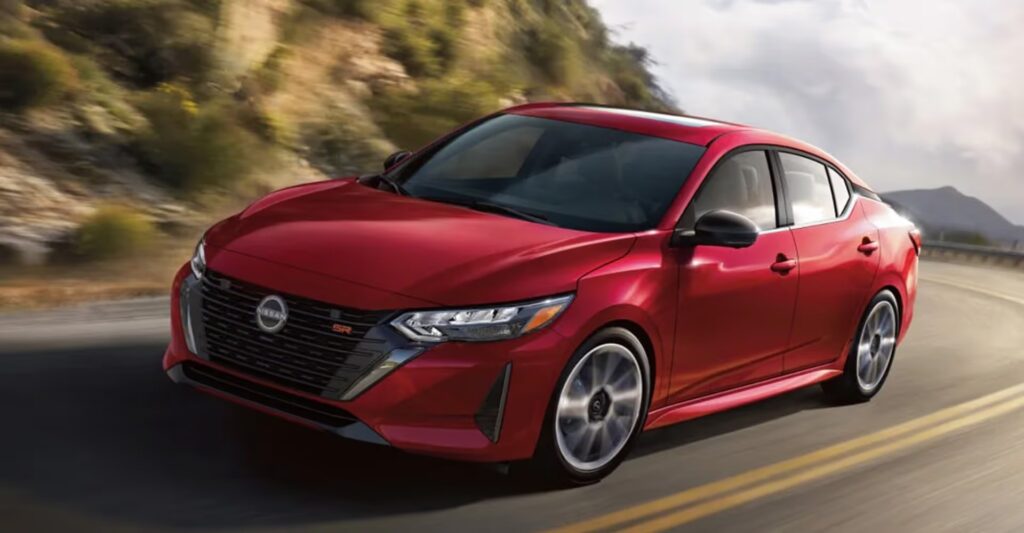
Beyond environmental benefits, the fuel economy of the 2025 Sentra carries economic and social implications. Lower fuel consumption directly translates to savings for the average driver, which is particularly meaningful in an era of fluctuating gas prices. For families, daily commuters, and small-business owners alike, these savings accumulate over time, making eco-friendly driving financially rewarding as well as ethically satisfying.
From a societal perspective, widespread adoption of efficient vehicles like the Sentra contributes to reduced national fuel consumption, decreased greenhouse gas emissions, and improved urban air quality. In cities grappling with smog and pollution-related health concerns, compact, fuel-efficient vehicles represent a small but meaningful step toward cleaner, healthier communities.
Looking Ahead: The Sentra in a Greener Future
The 2025 Nissan Sentra is more than just a practical compact sedan—it is a reflection of the automotive industry’s transition toward a more sustainable future. Its combination of fuel efficiency, reduced emissions, thoughtful engineering, and accessible pricing illustrates how environmental responsibility can be integrated into everyday mobility. As automakers continue to innovate, and as consumers increasingly prioritize sustainability, vehicles like the Sentra will play an essential role in shaping a cleaner, more efficient transportation landscape.
For the eco-conscious driver who values reliability, style, and performance, the 2025 Sentra demonstrates that being green doesn’t require sacrifice. It shows that the intersection of efficiency, technology, and environmental stewardship can produce a vehicle that is not only responsible but also enjoyable to drive. In the broader context of climate change and urban sustainability, choosing a car like the Sentra is both a personal decision and a contribution to a larger collective effort.
Related Posts

Unlocking the Best Options for Real Estate Investment
Investing in real estate presents a myriad of opportunities for…

Inside the Bugatti Bolide: A 1,824-HP Beast Designed for the Track
Few names in the automotive world evoke the same level…

Exploring the Art and Science of Meat Seasonings: From Traditional Blends to Innovative Flavors
The culinary world is a vast playground where flavors dance…