
The Porsche 911’s Early Success: From Birth to Dominance
The Porsche 911 is an icon of automotive engineering, a car revered for its timeless design, superb performance, and unshakable reputation as a symbol of luxury and sport. However, the car’s journey to superstardom was not always smooth, and there was a time in the late 1970s and early 1980s when the 911 faced a crisis that nearly ended its legacy. The very model that had captured the hearts of driving enthusiasts around the world was in danger of becoming irrelevant. This is the story of how Porsche’s iconic 911 nearly faced its demise and how it rose from the ashes to become one of the greatest success stories in automotive history.
Before we dive into the crisis, it’s important to understand the early success of the Porsche 911. Introduced in 1964 as the successor to the Porsche 356, the 911 quickly established itself as a performance-oriented sports car that was also luxurious enough for everyday driving. It was designed by Ferdinand “Butzi” Porsche, the grandson of the company’s founder, and was initially powered by a 2.0-liter flat-six engine that set it apart from other cars of its time. The 911’s distinctive round headlights, rear-engine configuration, and unique design captured the imagination of car lovers across the globe.
By the early 1970s, the 911 was already cementing its reputation as one of the greatest sports cars ever made. It won races, earned the respect of critics, and became a status symbol for those who could afford it. The 911 was a vehicle that combined everyday usability with blistering performance, and it quickly became a favorite among enthusiasts. Over the years, Porsche introduced various versions of the 911, including the 911 Turbo, which further solidified the car’s position in the pantheon of high-performance machines.
However, by the late 1970s, even the 911’s unshakable popularity was beginning to face some challenges. A combination of factors—from rising fuel costs to shifting consumer tastes—put pressure on the iconic sports car. Despite its enviable position in the market, Porsche found itself facing a difficult crossroads.
The Oil Crisis and Its Impact on the Automotive World
The early 1970s brought with it a crisis that would affect all aspects of the automotive industry: the oil embargo. In 1973, the Organization of Arab Petroleum Exporting Countries (OAPEC) placed an embargo on oil exports to countries supporting Israel during the Yom Kippur War. This led to massive increases in fuel prices and shortages that had a profound impact on how people viewed cars. Suddenly, large, fuel-inefficient vehicles were no longer the symbol of success they once were.
Porsche, like many other automakers, felt the effects of the oil crisis. The company’s cars were often seen as fuel-guzzlers, and their high-performance engines were at odds with the growing demand for more fuel-efficient vehicles. While the Porsche 911 remained a popular car among enthusiasts, the broader market for sports cars was shrinking, and the future of the 911 was uncertain.
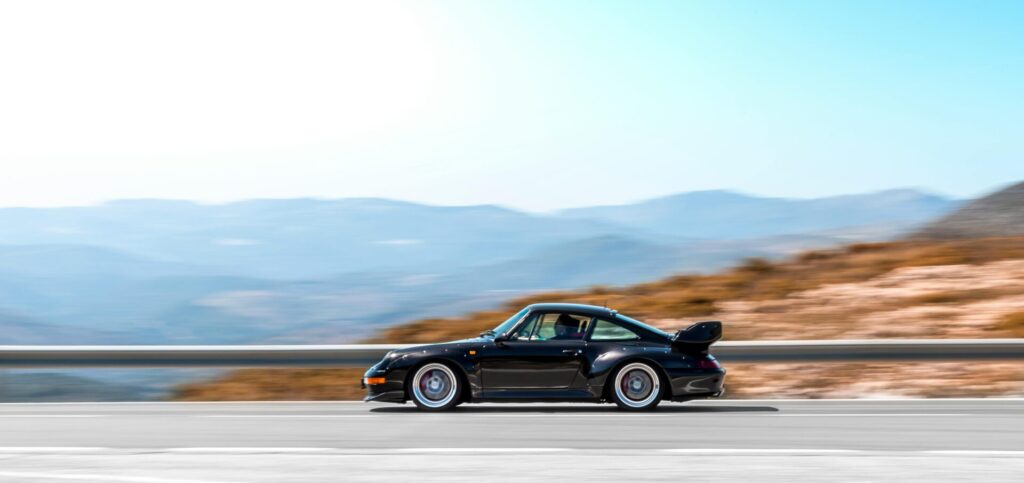
Additionally, emissions regulations became stricter during this time, forcing automakers to develop new technologies and modify existing vehicles to comply with environmental standards. Porsche’s response to these challenges would prove to be a pivotal moment in the history of the 911.
The Introduction of the 911 SC: A Last-Ditch Effort to Save the Model
In the face of declining sales and increasing pressure from environmental and economic forces, Porsche introduced the 911 SC in 1978. The SC (which stood for “Super Carrera”) was a move by Porsche to make the 911 more appealing to a broader audience by improving fuel efficiency and reducing emissions while maintaining the car’s performance.
The 911 SC featured a 3.0-liter flat-six engine that produced 180 horsepower, a respectable figure for the time, but not groundbreaking by any means. The car was also fitted with new features such as a redesigned dashboard and updated bumpers to comply with new safety standards. Porsche even introduced a more affordable version of the 911 SC, known as the 911 SC Targa, which featured a removable roof panel.
Despite these changes, the 911 SC did little to stem the tide of growing concerns over fuel economy and environmental issues. The car was still seen by some as a “gas guzzler,” and its performance-focused nature made it seem out of touch with the times. In a world where practicality was becoming increasingly important, the 911 was losing its appeal to a broader consumer base. The crisis facing Porsche deepened as the market shifted toward more practical, fuel-efficient vehicles.
At the same time, Porsche’s competitors were developing more modern, efficient, and stylish sports cars that could appeal to a wider audience. The Japanese were making waves with cars like the Toyota Celica and Nissan Z-series, which offered performance and reliability at a more accessible price point. The European market was also changing, with consumers becoming more concerned with practicality and environmental impact than raw performance. The 911’s future was in serious jeopardy.
The 911’s Near Demise: Internal Struggles and Decision-Making
Inside Porsche, there was growing concern about the 911’s future. The company’s leadership was divided over whether to continue investing in the 911 or focus on developing a new model that could meet the changing demands of the automotive market. Some executives felt that the 911’s design was outdated and that the car’s future was uncertain, given the growing focus on fuel efficiency and emissions. Others argued that the 911’s iconic status and loyal customer base could not be ignored, and that Porsche should double down on the model that had made the company famous.
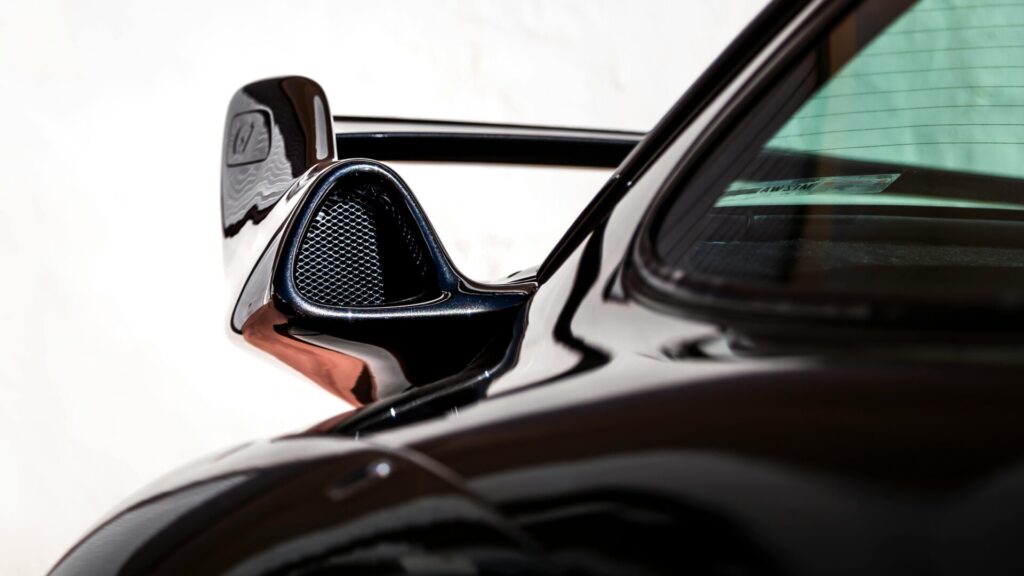
As the 1970s turned into the 1980s, the debate inside Porsche became more intense. The company faced mounting pressure from shareholders and the market to make a decision. If Porsche continued down the path of the 911, it would have to make significant changes to the car’s design and performance to ensure its relevance in a rapidly changing market. But developing a new model was risky, and there was no guarantee that a new car would be able to capture the same magic that had made the 911 such a success in the first place.
The pivotal moment came in 1982 when Porsche CEO Peter Schutz made the decision to continue with the 911. Despite the pressure from those who advocated for a new direction, Schutz recognized that the 911 was an essential part of Porsche’s identity and heritage. He decided that the 911 would undergo a major overhaul rather than being scrapped. Under his leadership, Porsche began to make significant investments in improving the 911’s technology and performance while ensuring that it would remain true to its roots.
The 911’s Revival: The Porsche 911 Turbo and the Reinvention of an Icon
By the mid-1980s, Porsche had made a bold decision to continue the 911’s legacy. In 1984, the company introduced the Porsche 911 Turbo (930), a car that would become one of the most iconic versions of the 911 in history. The 911 Turbo was powered by a 3.3-liter flat-six engine that produced 282 horsepower, a significant increase in power compared to earlier models. The car was fitted with a turbocharger, which allowed it to achieve incredible acceleration and top speeds, positioning the 911 Turbo as a true performance machine.
The introduction of the 911 Turbo was a turning point for Porsche. The car quickly gained a cult following among enthusiasts and helped to reestablish the 911 as a performance icon. At the same time, Porsche continued to make improvements to the 911 SC, making it more refined and better suited to the needs of consumers. The combination of these efforts helped to rebuild the 911’s reputation and position it as a car that could offer both luxury and high-performance in a changing automotive landscape.
Porsche’s decision to continue with the 911 was not without risk, but it ultimately paid off. The 911 Turbo became one of the most coveted cars of the 1980s, and the entire 911 lineup began to see a resurgence in sales. The car’s performance and iconic status made it more desirable than ever, and by the end of the decade, the 911 was back on top.
The Legacy Lives On: How the 911 Survived and Thrived
Today, the Porsche 911 is more popular than ever. The model has evolved over the years, with newer versions featuring cutting-edge technology, improved performance, and a wider range of options. However, the spirit of the 911 remains unchanged. The car is still powered by a rear-mounted flat-six engine, and it still embodies the same blend of performance and luxury that made it an icon in the first place.
The 911’s survival through the crisis of the late 1970s and early 1980s is a testament to the strength of Porsche’s leadership and its commitment to the car’s heritage. The 911 is now one of the longest-running models in automotive history, and it has inspired generations of driving enthusiasts around the world. What was once a car on the brink of extinction is now an enduring symbol of performance, luxury, and automotive excellence.
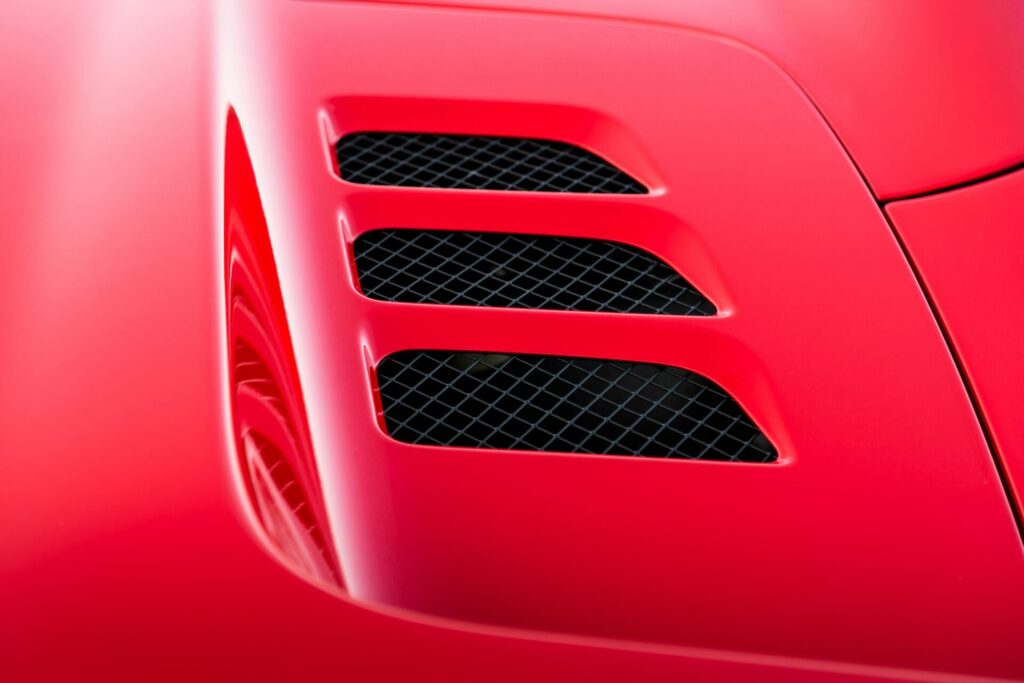
In the end, the 911’s survival and resurgence were not guaranteed. It took a combination of bold decision-making, technical innovation, and a deep understanding of what made the 911 special to ensure that the car would remain a part of Porsche’s lineup. The crisis of the 1980s was a turning point for the 911, but it also marked the beginning of its continued success and enduring legacy.
Related Posts

Psychological Warfare: How Pit Crews Intimidate Rival Teams Through Speed and Silence
In the high-stakes world of motorsport, victory is not won…
From Tuna to Salmon: A Guide to the Best Canned Fish for Your Next Meal
Canned fish has been a popular food item for centuries,…

Exploring the Versatility of Tuna: 3 Delicious Recipes to Try Today
Tuna, with its versatile flavor and numerous health benefits, is…