
When it comes to the origins of European car culture, there are few figures whose influence looms as large as that of Ferry Porsche. While the name “Porsche” is universally recognized in the automotive world today, much of the story behind the legendary brand’s development remains shrouded in the broader context of European automotive evolution. Ferry Porsche, the son of the brand’s founder, Ferdinand Porsche, didn’t simply carry on the family business—he redefined the automotive landscape and played a key role in shaping the cultural and technological elements of European car manufacturing.
Ferry’s work in the mid-20th century transformed Porsche into more than just a manufacturer of luxury vehicles; it made the brand synonymous with precision engineering, a spirit of innovation, and a sense of exclusivity. But his contributions extend far beyond his family business, as he became an influential figure in the broader European car culture. His designs, philosophies, and decisions continue to resonate in the way cars are perceived, loved, and even revered across the world. However, what is often overlooked is how his pioneering efforts in engineering, marketing, and design catalyzed a transformation in the way European cars were approached by consumers and enthusiasts alike.
Ferry Porsche’s story intertwines with the rise of the sports car culture that has become a staple of European identity. To truly understand the extent of his influence, it’s important to explore his early life, the rise of Porsche as a brand, and the lasting impact he had on both the company and the broader automotive world.
Early Life and Formative Years: The Foundation of a Vision
Born in 1909 in Stuttgart, Germany, Ferry Porsche was immersed in the world of engineering from an early age. His father, Ferdinand Porsche, was already a prominent automotive engineer, known for his work with Volkswagen and the creation of the iconic Volkswagen Beetle. As the son of such an influential figure, Ferry’s early life was deeply rooted in the world of automotive design and innovation. However, it wasn’t just his father’s legacy that shaped Ferry’s future; it was his personal experiences, his education, and the broader context of the 20th century’s economic and political upheaval that would come to influence his career trajectory.
The Porsche family, with its roots firmly planted in the burgeoning German automotive industry, was not just interested in creating cars but in revolutionizing transportation. At a young age, Ferry was exposed to the intricate workings of automobiles, learning from some of the best engineers of his time. This access to industry leaders would prove to be a significant advantage in shaping his own vision for the future of car manufacturing.
As the world descended into the chaos of World War II, Ferry’s engineering background, combined with his family’s reputation, placed him in an unusual position. His father’s name was already associated with cutting-edge technology, and during the war, Ferry Porsche had to navigate through challenging economic conditions while still holding on to the Porsche ideals of innovation and performance. While many of his contemporaries were simply focused on fulfilling wartime contracts, Ferry’s foresight led him to begin planning the post-war future of the Porsche brand long before the war ended.
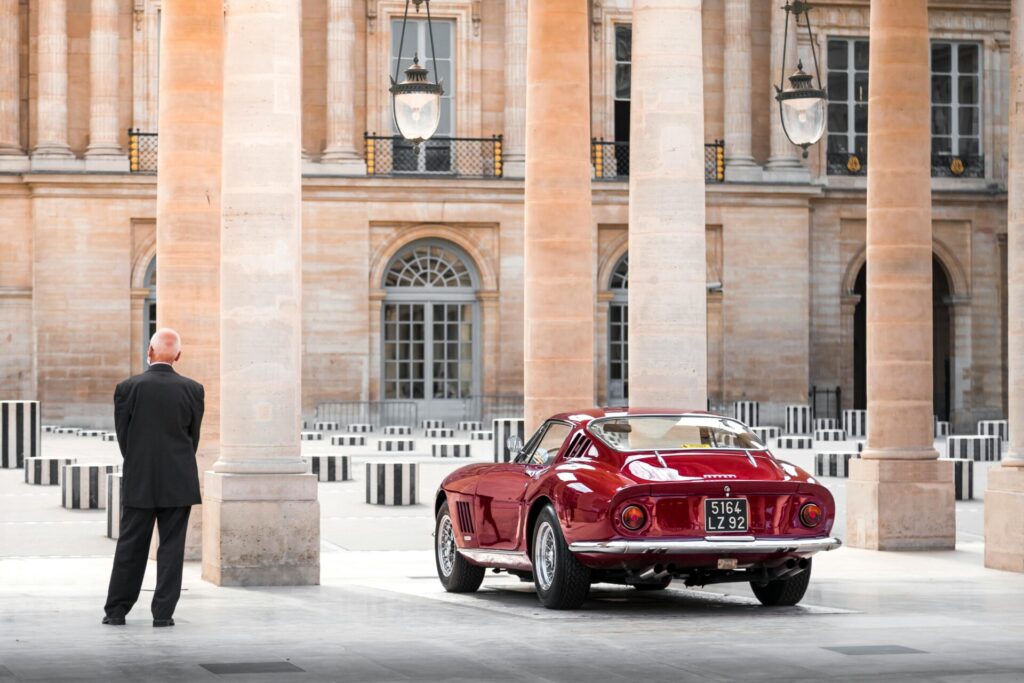
After the war, European automakers were left to rebuild, and it was at this time that Ferry Porsche’s vision truly began to take shape. In the years following the war, Ferry Porsche was instrumental in restructuring the Porsche brand, ensuring that it would not only survive but thrive in a market that was rapidly evolving. His ability to understand the technical and cultural trends of the day helped him to see a future for Porsche that included sports cars, luxury vehicles, and performance-driven engineering—all of which would define European automotive culture for decades.
The Birth of the Porsche 356: A Revolutionary Moment
While many know the Porsche 911 as the company’s iconic model, it was the Porsche 356 that truly laid the foundation for the company’s future success—and this happened largely thanks to Ferry Porsche’s drive and vision. Released in 1948, the 356 was not just a car; it was a symbol of the post-war European automotive renaissance.
Ferry Porsche didn’t simply want to create a vehicle that would sell well; he wanted to create something that would forever change the way cars were viewed. The 356 was designed to be a lightweight, nimble sports car that combined high performance with elegant design—traits that would later come to define the Porsche brand. What set the 356 apart from its competitors was its combination of technical excellence, affordability, and accessibility for driving enthusiasts.
The Porsche 356 was groundbreaking not just for its technical specifications but for how it influenced the European car culture. In a time when most automakers were still recovering from the war, Ferry Porsche’s decision to focus on a sports car with precision engineering set the brand apart. The car’s low-slung body, distinctive round headlights, and rear-engine design made it an immediate hit in Europe and North America, giving birth to a new class of affordable luxury sports cars.
But Ferry’s influence went beyond just the design of the car itself. He understood that the Porsche 356 needed to be more than just a high-performance vehicle—it needed to be an experience. He marketed the 356 not only as a car but as a lifestyle choice. It became a symbol of freedom, precision, and a certain level of exclusivity. This strategy was a significant departure from traditional automobile marketing, which tended to focus more on utilitarian values.
The Porsche 911 and the Legacy of Performance
While the Porsche 356 laid the groundwork for the company’s future, it was the introduction of the Porsche 911 in 1964 that solidified Ferry Porsche’s legacy and forever changed European car culture. The 911 was more than just a new model; it was the culmination of years of technical refinement, design innovation, and cultural insight that Ferry had nurtured.

Designed by Ferdinand “Butzi” Porsche, Ferry’s son, the 911 retained many of the principles established in the 356 but with an updated design that was even more daring and sleek. The 911’s unmistakable silhouette, its rear-engine layout, and its high-performance capabilities quickly captured the imaginations of driving enthusiasts around the world. The 911 became a symbol of timeless design, speed, and engineering excellence.
What made the Porsche 911 so special wasn’t just its performance or its iconic design, though; it was its ability to connect with drivers on an emotional level. The 911 was more than just a car; it became a part of European culture. The Porsche 911 exemplified the European ethos of precision, craftsmanship, and luxury while being accessible to the discerning few who understood the true value of performance.
Ferry Porsche’s influence on the development of the 911 was profound. He didn’t simply push for a car that would generate profits; he worked tirelessly to ensure that the Porsche 911 would represent the culmination of European automotive excellence. It was under his leadership that Porsche became a key player in the development of what would later be known as sports car culture—a culture that would permeate every corner of European society.
The Cultural Impact: Porsche and European Car Identity
Ferry Porsche’s impact on the automotive industry wasn’t just about building iconic cars—it was about shaping the cultural identity of Europe through automobiles. In the decades following the release of the Porsche 356 and 911, Porsche became synonymous with more than just high-end performance vehicles. It became a symbol of European craftsmanship, innovation, and a unique approach to driving culture.
Porsche’s cars embodied a distinct European spirit—a spirit that values precision, elegance, and a sense of restrained luxury. The brand helped define what it meant to be a European car enthusiast, particularly during the post-war era when European countries were rebuilding and reimagining their identities. The idea that cars could be beautiful and efficient, as well as powerful, resonated deeply in a Europe that was trying to recapture its former glory while embracing a new, modern age.
Ferry Porsche’s vision played a significant role in shaping the European car culture that we know today. The emphasis on luxury, performance, and exclusivity would come to define much of the continent’s automotive industry. His work laid the foundation for future generations of automakers, setting a standard for what European cars should strive to achieve: not just functional transportation, but an expression of individuality, sophistication, and driving joy.
Conclusion: A Legacy That Endures
The influence of Ferry Porsche on European car culture is immeasurable. Through his work, Porsche became more than just a car manufacturer—it became an emblem of European ingenuity, luxury, and driving passion. From the creation of the 356 to the revolutionary Porsche 911, Ferry Porsche’s vision redefined what it meant to be a sports car enthusiast and helped shape the cultural landscape of Europe for generations to come.
His approach to automotive design, his commitment to precision engineering, and his unique ability to blend innovation with tradition continue to inspire automakers and car enthusiasts around the world. Ferry Porsche’s legacy is a testament to the idea that cars are more than just machines—they are living expressions of human creativity, skill, and passion.
Related Posts

Why the 2025 Toyota Highlander Hybrid Is the Family SUV You’ve Been Waiting For
When it comes to choosing a family SUV, the balance…

Benefits Of Public Transportation
A great number of individuals all over the planet utilize…

The Ultimate Guide to Renting a Car for Your European Road Trip
Embarking on a European road trip offers the perfect blend…