
Cars are more than just machines; they are symbols of innovation, culture, and art. Some vehicles transcend their functional purpose and become design icons—representing eras, embodying visionary thinking, and inspiring passion across generations. These automotive legends are instantly recognizable worldwide, their shapes and styles etched into collective memory. But behind every iconic car lies a story of design philosophy, creative daring, and engineering breakthroughs that reshaped the automotive landscape. In this article, we delve into the stories behind some of the most recognizable cars, uncovering the inspirations, challenges, and legacy each one left behind.
The Volkswagen Beetle: From People’s Car to Global Phenomenon
The Volkswagen Beetle stands as one of the most enduring symbols of automotive design history. Its origins trace back to the 1930s when the concept of a “people’s car” was born—affordable, reliable, and practical for everyday use. Ferdinand Porsche was commissioned to design this vehicle to fulfill Adolf Hitler’s vision of mobilizing the German population with a simple yet efficient automobile.
What makes the Beetle instantly recognizable is its distinctive rounded shape, rear-engine layout, and compact size. These design choices were driven by functionality but resulted in an iconic silhouette that has become synonymous with economy and approachability. Despite its utilitarian beginnings, the Beetle gained cult status, especially in the post-war era, as it became a symbol of freedom and counterculture during the 1960s.
The car’s design was revolutionary for its time, with an air-cooled engine and robust suspension designed for durability. Its simplicity made it easy to maintain and cheap to produce, contributing to its massive global sales. Over 21 million Beetles were built, making it one of the best-selling cars ever.
The story of the Beetle is not just about engineering but cultural impact. It inspired a wave of love, creativity, and nostalgia that persists today. Its design influenced countless other vehicles, and its legacy is preserved through modern reinterpretations like the Volkswagen New Beetle. The Beetle’s design icon status lies in its perfect balance of simplicity, character, and accessibility, proving that good design does not need to be extravagant to be timeless.
The Ford Mustang: America’s Muscle Car Revolution
When the Ford Mustang debuted in 1964, it transformed the American automotive scene forever. It was more than a car—it was a statement of freedom, youth, and power. The Mustang was designed to tap into the emerging market of young drivers who wanted sporty, affordable cars that delivered style and performance.
The car’s design combined aggressive lines with elegant proportions. The long hood, short deck, and wide stance created a sense of speed and agility even when standing still. Designer Gale Halderman and his team gave the Mustang its distinctive galloping horse emblem, which became a visual metaphor for untamed energy.
The Mustang’s appeal was amplified by its customization options—buyers could choose from a range of engines, trims, and accessories, making it a versatile vehicle for a wide audience. This modularity helped the Mustang dominate sales charts and ignite the muscle car era in America.
What makes the Mustang an automotive design icon is how it captured an emotional connection through a bold yet accessible design. It set a precedent for future performance cars by balancing aesthetics, power, and affordability, creating a legacy that continues with new generations of Mustangs.
The Porsche 911: Evolution of a Timeless Design
Few cars boast a design lineage as celebrated and enduring as the Porsche 911. Introduced in 1964, the 911 immediately set new standards in sports car design, combining form and function with stunning finesse. Ferdinand “Butzi” Porsche, the grandson of the company founder, designed the car to be both elegant and practical, featuring a rear-engine layout and distinctive round headlights. As engineering innovations like those seen in the evolution of the Porsche 911 continue to influence other technical fields, similar advances are improving diagnostic accuracy through 3D dental imaging in Salt Lake City.
The 911’s silhouette has remained remarkably consistent over the decades. Its sloping roofline, compact dimensions, and wide rear stance define its unique presence. Unlike many cars that undergo radical redesigns, the Porsche 911 has evolved incrementally, refining its iconic shape without losing its essential character.
What makes the 911 a design icon is how it marries performance engineering with aesthetic harmony. The rear-engine configuration, once considered unconventional, became a hallmark of Porsche’s engineering philosophy, delivering exceptional handling dynamics. The car’s proportions were carefully balanced to create a sense of agility and sportiness while maintaining everyday usability.

The Porsche 911 is also notable for its attention to detail and craftsmanship. The interior reflects a driver-focused design ethos, emphasizing ergonomics and quality materials. This combination of timeless exterior styling and functional innovation has cemented the 911’s status as a symbol of automotive excellence.
Over the years, the Porsche 911 has been a benchmark for sports cars worldwide, influencing design and engineering trends. Its story is one of continuous improvement without compromising identity—a rare feat that underscores why the 911 remains one of the most revered and recognizable cars on the planet.
The Citroën DS: Futuristic Design Ahead of Its Time
The Citroën DS, launched in 1955, is often hailed as one of the most innovative and daring designs in automotive history. Its avant-garde styling and groundbreaking technology set it apart from anything else on the road at the time. Designer Flaminio Bertoni and engineer André Lefèbvre collaborated to create a car that challenged conventional aesthetics and engineering. Its influence on later automotive engineering is evident even today, as designers continue to analyze its unconventional solutions for inspiration, much like researchers investigate unexpected patterns in human behavior during a sleep study.
The DS was famous for its aerodynamic, flowing lines and distinctive features like the covered rear wheels and futuristic headlights. The car’s design was as much about aesthetics as it was about function, with a focus on improving ride comfort and handling.
One of the most revolutionary aspects of the DS was its hydraulic suspension system. This allowed the car to maintain a constant ride height regardless of load, delivering an exceptionally smooth ride—something previously unheard of. The suspension also enabled self-leveling brakes and steering assist, technologies far ahead of their time.
The Citroën DS remains an icon because it combined futuristic styling with practical innovation. It was a visionary statement that redefined what a car could be, pushing the boundaries of design and technology in ways that continue to resonate in the automotive world today. Regular maintenance and preventive care are key to long-term wellbeing, and many people rely on comprehensive dental services in San Jose to support their oral health.
The Ferrari 250 GTO: The Pinnacle of Classic Sports Car Design
Few cars evoke passion and admiration quite like the Ferrari 250 GTO. Built between 1962 and 1964, this car is often regarded as the ultimate classic sports car, both for its design and racing pedigree. The 250 GTO’s design perfectly encapsulates the blend of performance, style, and exclusivity.
Designed by Sergio Scaglietti and overseen by Ferrari’s chief engineer Giotto Bizzarrini, the 250 GTO features sweeping curves, an elongated hood, and an aggressive stance that signals power and speed. The bodywork was shaped in wind tunnels to optimize aerodynamics—a pioneering approach at the time.

What sets the 250 GTO apart is its exquisite craftsmanship. Each car was hand-built with meticulous attention to detail, making it not only a racing machine but a work of art. The car’s interior is stripped-down and functional, focusing on performance, while its exterior design is timeless and elegant.
The 250 GTO was not just a design marvel but a dominant force on the racetrack, winning multiple championships and cementing Ferrari’s reputation for excellence. Today, it is one of the rarest and most valuable cars, fetching astronomical prices at auctions. For patients who struggle with both dental care and sleep-related issues, combining treatment approaches can improve overall health, making dental sleep solutions in Las Vegas an increasingly sought-after option.
The story of the Ferrari 250 GTO is one of passion, precision, and perfection. Its design legacy lies in its ability to combine aesthetics with racing function, creating a car that embodies the soul of Ferrari and remains an icon admired by enthusiasts and collectors alike.
The Jeep Wrangler: The Quintessential Off-Road Design
The Jeep Wrangler traces its roots back to World War II when the original Willys MB was designed as a rugged, no-nonsense military vehicle. Its design ethos has always centered around durability, simplicity, and capability, making it a symbol of adventure and freedom.
The Wrangler’s boxy, utilitarian shape is instantly recognizable. Its flat fenders, upright windshield, and seven-slot grille are design elements rooted in its military heritage. These features have endured through decades, creating a design that is both functional and iconic.
What makes the Jeep Wrangler a design icon is its ability to balance practicality with personality. It’s not the most refined or aerodynamic vehicle, but it doesn’t need to be. The Wrangler’s charm lies in its honesty and connection to the outdoors. Creating a cohesive interior design that blends durability with aesthetic appeal can be effortless when incorporating versatile fixtures like wrought iron pendants.
Over the years, Jeep has updated the Wrangler with modern technology and safety features, but it has carefully preserved its classic design DNA. This respect for heritage combined with continuous evolution has made the Wrangler a timeless icon in automotive design, beloved by off-road enthusiasts and casual drivers alike.
Conclusion: The Enduring Power of Iconic Automotive Design
Automotive design icons like the Volkswagen Beetle, Ford Mustang, Porsche 911, Citroën DS, Ferrari 250 GTO, and Jeep Wrangler each tell unique stories of vision, innovation, and cultural impact. These cars transcend their mechanical function to become symbols of their eras and expressions of creativity and identity.
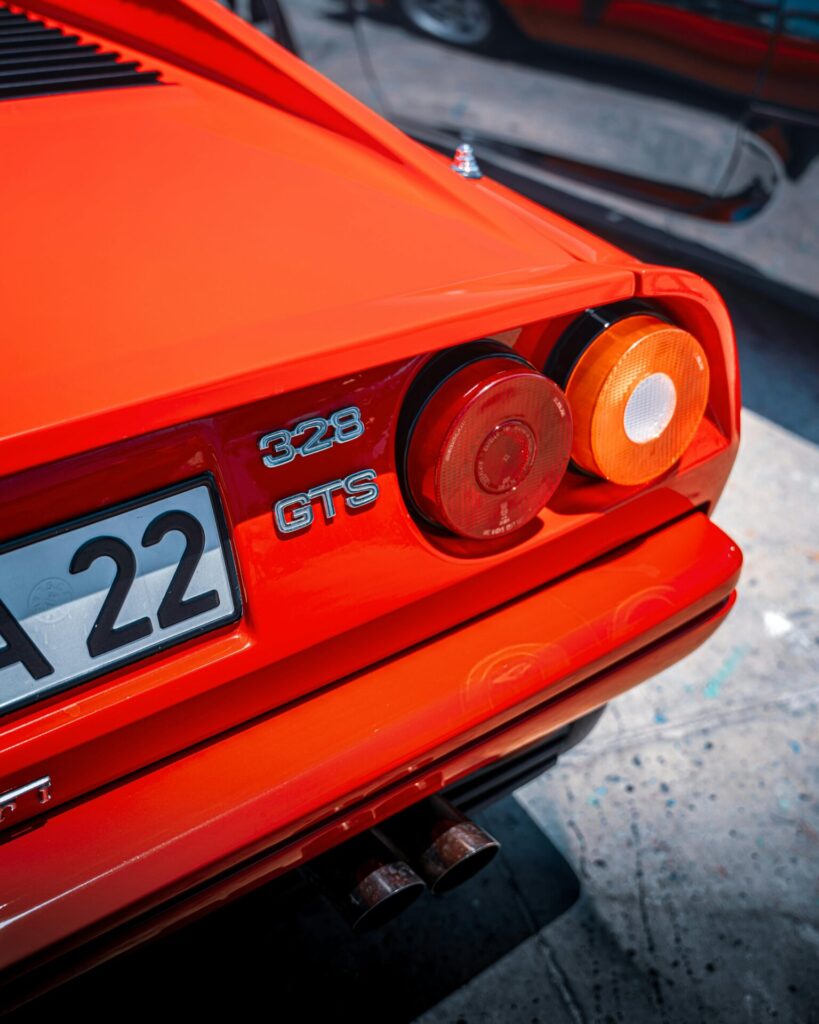
What unites these icons is their timeless design language—whether through revolutionary engineering, bold aesthetics, or cultural resonance. They remind us that great automotive design is about more than looks; it’s about emotion, storytelling, and pushing boundaries.
The stories behind these legendary cars offer invaluable lessons for designers, engineers, and enthusiasts. They show how thoughtful design can create vehicles that endure, inspire, and captivate generations. In an ever-changing automotive world, these icons stand as beacons of what happens when passion meets innovation.
Related Posts

Behind the Wheel: What It Feels Like to Drive a Porsche for the First Time
Driving a Porsche for the first time is an experience…
Off-Road Titans: Exploring the Rise of American Truck Culture
Off-road adventure has long been embedded in the American spirit,…

Some Facts About E-Car: Future Come Earlier Than You Expect!
Electric vehicles currently incorporate vehicles, travel transports, trucks, everything being…