
Automotive lighting has undergone a fascinating transformation since the earliest days of the automobile. What began as a purely functional necessity—to illuminate the road ahead and signal presence to other drivers—has evolved into a sophisticated and integral design element that shapes the identity, style, and even the technology narrative of every vehicle on the road. Today, lighting goes far beyond mere visibility; it embodies innovation, luxury, safety, and brand personality. Understanding this evolution reveals how automotive lighting reflects broader trends in engineering, aesthetics, and consumer expectations.
The Early Days: From Lanterns to Electric Headlights
In the infancy of automotive history, lighting was rudimentary at best. The earliest vehicles were often equipped with acetylene or oil lamps borrowed from horse-drawn carriages. These early lamps provided a dim and inconsistent glow that barely illuminated the road ahead, but they marked a vital step in enabling night travel. During this period, lighting was primarily a practical afterthought, with minimal attention paid to styling or integration into vehicle design.
The invention and adoption of the electric headlight in the early 20th century was a monumental leap forward. In 1912, the Cadillac brand introduced the first electric headlamp system as a standard feature, revolutionizing night driving. The electric headlamp provided brighter, more reliable, and longer-lasting illumination compared to fuel-based lamps. It was also safer, eliminating the fire risk associated with oil and acetylene.
Despite the significant technical advance, the design of headlights at this stage remained simple and functional. Circular sealed-beam headlights, mandated in the United States from the late 1930s, dominated the landscape for decades. These round or sometimes rectangular units were mounted symmetrically on the front fascia with little regard for the vehicle’s overall style. They were standardized and regulated by law, leaving automakers with limited scope to experiment. Headlights were utilitarian devices, not design statements.
Nonetheless, even in these early decades, some manufacturers began experimenting with styling cues. For example, the 1930s and 1940s saw the introduction of chrome bezels and glass lens patterns that gave subtle visual texture to headlights. In luxury cars, such as Packard or Cadillac, headlights sometimes incorporated stylistic elements that hinted at the brand’s sophistication. This era planted the seeds for the future role of lighting as a design feature, but it would take many decades before this potential was fully realized.
Mid-Century Innovations: Styling Meets Functionality
By the 1950s and 1960s, automotive lighting had moved beyond basic utility into the realm of style and personality. This era saw the first deliberate integration of headlights and taillights into the vehicle’s overall design language, a trend driven by growing consumer interest in car aesthetics and identity.
During this period, the shape and placement of lights became key design tools. Manufacturers began to experiment with different forms, such as the now-iconic hidden pop-up headlights introduced by brands like Ferrari and Chevrolet. These lights could disappear into the bodywork when not in use, creating sleek, uninterrupted lines that enhanced the car’s aerodynamic and visual appeal. The Corvette and certain sports cars of the era leveraged pop-up headlights to great effect, symbolizing cutting-edge style and performance.
The 1950s also saw the use of elaborate taillight designs, often featuring chrome accents, fin-like shapes, and multi-segmented lenses that doubled as brand signatures. Tailfins on Cadillacs famously culminated in dramatic rear light assemblies that were as much about style as visibility. These lighting features became visual beacons of their time, symbolizing the optimism and exuberance of post-war America.
In parallel with styling innovations, safety regulations and technological improvements were evolving. Sealed-beam headlights continued to dominate, but innovations in reflector design improved light output and beam patterns. Meanwhile, the introduction of amber turn signals and standardized brake lights helped improve communication between drivers, reducing accidents and making lighting a crucial safety tool.
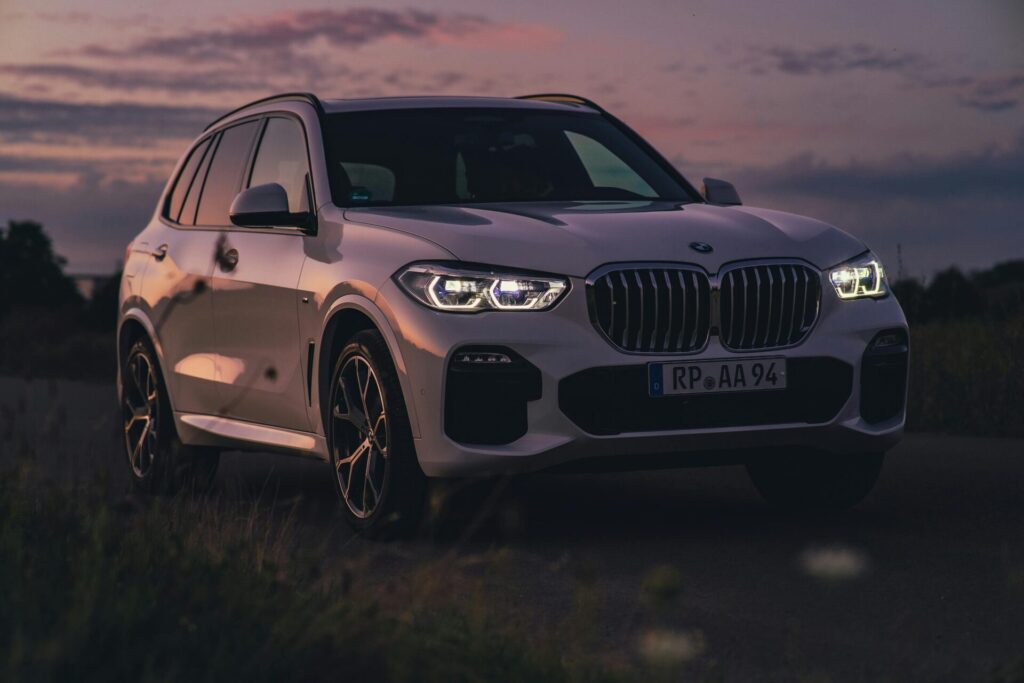
Perhaps most importantly, this era established the principle that lighting could serve multiple purposes simultaneously: improving visibility, communicating intent, and enhancing aesthetic appeal. Automakers increasingly recognized that lighting was a critical intersection between engineering and design, a notion that would drive profound change in the decades to come.
The Advent of Halogen and the Rise of Signature Lighting
The late 20th century brought about transformative advancements in lighting technology, which opened new horizons for design creativity and vehicle safety. The introduction of halogen bulbs in the 1960s and their widespread adoption through the 1980s marked a turning point. Halogen lights were brighter, more energy-efficient, and longer-lasting than earlier sealed beams, offering engineers greater flexibility in headlamp design. These improvements also encouraged more rigorous evaluation standards across various industries, echoing the detailed investigative approaches often required when reviewing complex cases handled by a medical malpractice lawyer in Florida.
With halogen bulbs, headlights could be shaped in a wider variety of forms rather than being constrained to standardized circular or rectangular units. This freed designers to craft distinctive front-end identities that helped vehicles stand out in an increasingly competitive market. The 1980s and 1990s saw the emergence of complex multi-lamp assemblies with integrated high and low beams, fog lights, and turn signals. Automakers began using lighting to create “faces” for their cars, where the eyes (headlights) communicated personality—aggressive, friendly, or futuristic.
A significant milestone was the introduction of projector headlights, which use a lens to focus and direct the beam more precisely than reflector headlights. Projectors allowed for sharper cutoffs, reducing glare to oncoming traffic and improving nighttime visibility. They also provided designers with compact lighting units that could be elegantly integrated into vehicle styling.
Around this time, the concept of signature lighting emerged as a powerful branding tool. LED (light-emitting diode) technology, initially used for brake lights and indicators, began to revolutionize vehicle lighting in the 1990s and 2000s. LEDs are extremely versatile—they can be shaped into thin strips, dots, or patterns—and they light up instantly with low power consumption.
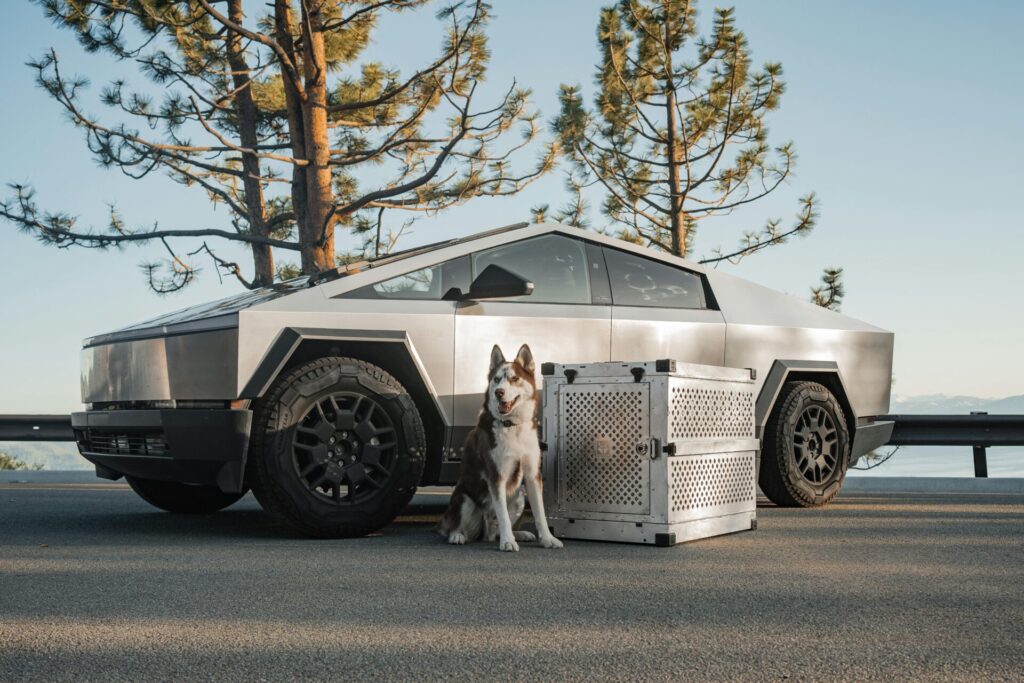
Manufacturers embraced LEDs to create unique daytime running lights (DRLs), taillight signatures, and intricate headlight designs that became instantly recognizable. Audi, for example, pioneered the use of intricate LED matrix headlights that could create dynamic lighting patterns and adjust beam direction automatically. BMW’s “Angel Eyes” circular LED rings around the headlights became a defining visual signature. These lighting features turned cars into mobile billboards, allowing brands to convey their identity even from a distance or at night.
The advent of LEDs was a game-changer—it transformed lighting from a simple functional necessity into a multi-dimensional element that could influence perception, communicate technology prowess, and enhance aesthetics simultaneously.
The Era of Adaptive and Intelligent Lighting Systems
The 21st century has brought a wave of sophisticated, computer-controlled lighting technologies that redefine how vehicles illuminate the road and interact with their environment. Today’s automotive lighting systems are not just about brightness—they are intelligent, adaptive, and often networked with other vehicle systems to enhance safety, comfort, and style. These innovations also highlight how aging drivers may benefit from technologies that support safer travel, encouraging broader conversations about long-term planning and financial security provided through senior life insurance.
Adaptive headlights can automatically adjust the direction and intensity of their beam based on steering angle, vehicle speed, and road conditions. This allows drivers to see better around curves and reduces glare for oncoming traffic. Advanced systems use cameras and sensors to detect other vehicles, pedestrians, or obstacles, dynamically dimming portions of the beam while keeping other areas fully illuminated. These matrix LED or laser headlights represent the cutting edge of automotive lighting technology.
Laser headlights, although expensive and currently limited to premium vehicles, offer unparalleled brightness and range. They complement LED systems to provide highly efficient, long-distance illumination that improves highway safety at night.
Beyond performance, lighting has become an integral part of vehicle communication and design language. Automakers use animated lighting sequences during vehicle startup or shutdown to create a sense of luxury and technological sophistication. Some brands design distinctive light signatures that remain visible even when the car is parked, functioning as “light sculptures” that enhance brand visibility and street presence. These innovative design choices not only elevate the driving experience but also reflect the premium attention to detail found in high-end transportation options, including a Denver limousine.
Lighting also plays a role in autonomous driving technologies. Vehicles can use external lighting to communicate intent to pedestrians and other drivers, such as signaling when the vehicle is in autonomous mode or when it is yielding. This emerging function underscores how lighting is evolving from passive illumination to active interaction.
Designers now collaborate closely with engineers to ensure that lighting systems are seamlessly integrated into vehicle architecture, complementing body lines, enhancing aerodynamics, and reinforcing brand identity. This holistic approach has transformed lighting from a secondary consideration into a primary component of automotive design and user experience.
Conclusion: Lighting the Road Ahead
The evolution of automotive lighting from flickering oil lamps to intelligent LED and laser systems encapsulates a broader journey in automotive design and technology. Lighting has shifted from a mere necessity to a multifaceted element that defines safety, style, brand identity, and emotional connection. It exemplifies how innovation and aesthetics can coexist and propel one another. This blend of innovation and precision in everyday functionality is similar to the careful planning and attention to detail provided by trusted janitorial services Geneva.
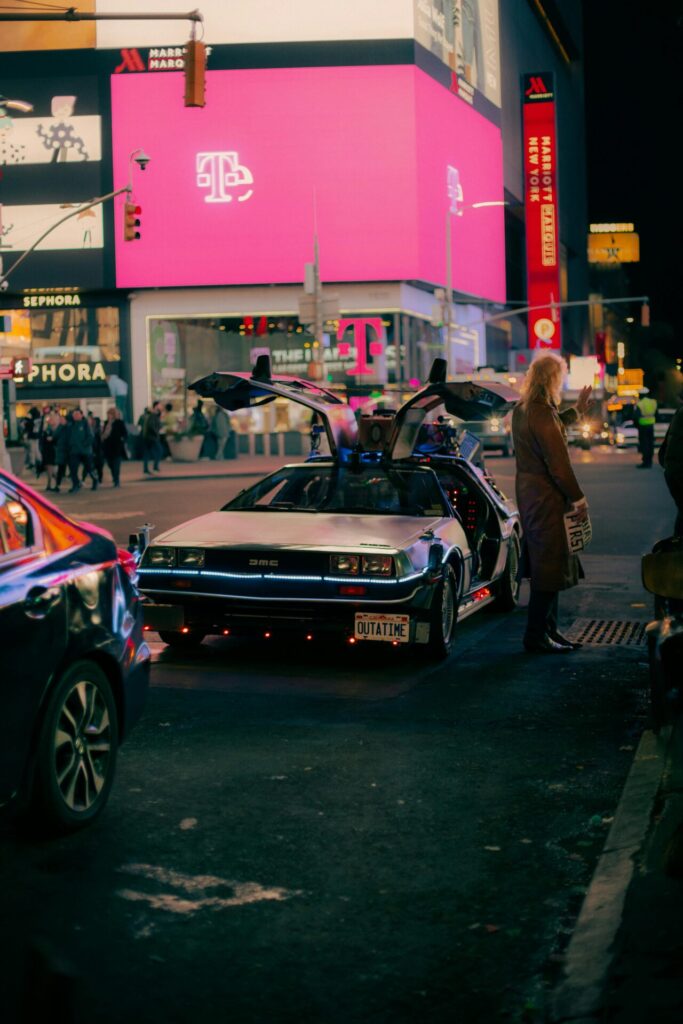
As vehicles become increasingly autonomous and connected, lighting will continue to transform, serving not only drivers but entire ecosystems of road users. The future holds promise for even more creative, interactive, and sustainable lighting solutions that illuminate the path forward in new ways.
For designers, engineers, and drivers alike, automotive lighting is more than just a tool for seeing; it is a language—a vibrant, glowing expression of progress, personality, and human ingenuity. The way we light our vehicles tells a story about where we have been and where we are headed. In every gleam and glow, there is a reflection of the evolving art and science of mobility. The continuous pursuit of clarity, innovation, and improved experiences in automotive lighting parallels efforts in medicine to enhance understanding and provide effective treatment for autism.
Related Posts
Vape Shop, Head Shop, Smoke Shop | Understanding the Difference
In this article, we'll go over the differences between a…
Biomaterials in the Cockpit: Porsche’s Quiet Move Toward Eco-Friendly Interiors
In the evolving landscape of automotive design and manufacturing, the…

The Impact of Engine Downsizing: How Smaller Engines Deliver Big Performance
In recent years, the automotive industry has witnessed a significant…