
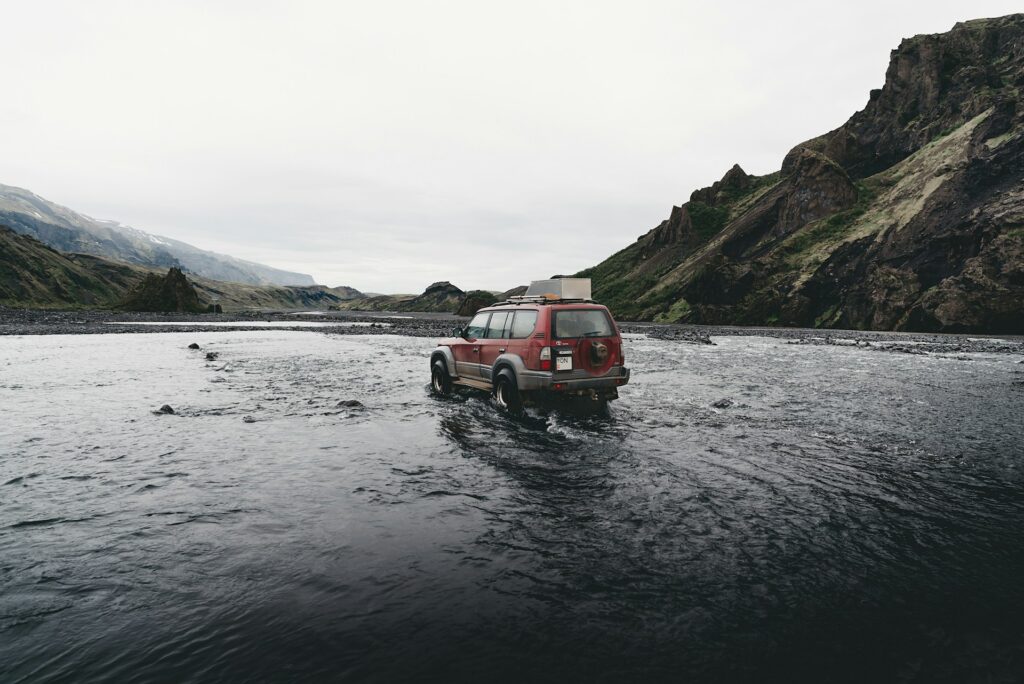
Overlanding, a blend of exploration and self-reliance, has captured the hearts of adventurers worldwide. This unique form of travel emphasizes the journey itself rather than the destination, combining off-road driving with camping and outdoor living.
To embark on an overlanding adventure, your vehicle must be more than just a mode of transport—it becomes your lifeline. Transforming your vehicle for off-road adventures requires careful planning, thoughtful modifications, and a commitment to safety and functionality.
Choosing the Right Vehicle: The Foundation of Your Overlanding Journey
The first step in transforming your vehicle for overlanding is selecting the right platform. While almost any vehicle can be modified to suit overlanding needs, some are inherently better suited for the task. SUVs, trucks, and off-road-capable vans are among the most popular choices due to their durability, ample storage, and ability to handle challenging terrain.
Key factors to consider include ground clearance, payload capacity, and drivetrain capabilities. High ground clearance allows your vehicle to navigate obstacles like rocks and logs with ease, while a robust payload capacity ensures you can carry all necessary gear without overloading your vehicle. A reliable 4×4 drivetrain is essential for maintaining traction on uneven or slippery surfaces.
When choosing a vehicle, also consider its aftermarket support. Some brands and models have extensive aftermarket communities, offering a wealth of upgrade options. Vehicles like the Toyota Tacoma, Jeep Wrangler, and Land Rover Defender are popular because of their proven reliability and the abundance of modifications available. Investing in a vehicle with a strong reputation for off-road performance sets a solid foundation for your transformation.
Suspension and Tires: Enhancing Capability and Comfort
Off-road terrain can be unpredictable, ranging from loose gravel to mud, sand, and rocky trails. Upgrading your suspension and tires is critical for ensuring your vehicle can handle these challenges while maintaining comfort and control.

A high-quality suspension system can dramatically improve your vehicle’s off-road performance. Look for systems that provide increased articulation and travel, allowing your wheels to maintain contact with the ground even on uneven terrain. Popular options include lift kits, which raise your vehicle’s height, enhancing ground clearance and accommodating larger tires. However, it’s important to avoid over-lifting, as excessive height can negatively impact stability.
Tires are arguably the most important upgrade for any overland vehicle. All-terrain or mud-terrain tires offer superior grip and durability compared to standard road tires. They are designed to handle a variety of surfaces while resisting punctures from sharp rocks or debris. When choosing tires, ensure they are appropriately sized for your vehicle and the terrain you plan to tackle. Larger tires can improve off-road capability, but they may require adjustments to your suspension and gearing.
Proper tire maintenance is also crucial for overlanding. Regularly checking tire pressure, rotating tires, and carrying a reliable air compressor can prevent issues during your journey. Investing in a good tire repair kit is another essential step, as it can save you from being stranded in remote locations.
Storage Solutions: Organizing Gear for Efficiency and Accessibility
Overlanding requires you to carry a range of gear, from camping equipment to food, water, and recovery tools. Organizing your storage efficiently ensures you can access essential items quickly while maximizing space.
Roof racks are a popular solution for increasing storage capacity. They can hold items like fuel cans, spare tires, or bulky camping gear, freeing up space inside your vehicle. When installing a roof rack, consider its weight capacity and aerodynamic impact. Overloading the roof can affect your vehicle’s center of gravity and fuel efficiency.
Drawer systems and cargo organizers are excellent for keeping the interior of your vehicle tidy. These systems allow you to compartmentalize your gear, making it easier to find what you need without unpacking everything. Modular storage systems are particularly useful, as they can be customized to fit your specific needs.
For those planning extended trips, a fridge or cooler is a worthwhile addition. Portable fridges powered by your vehicle’s battery or solar panels can keep perishable food fresh for days. Pair this with a well-organized pantry system for non-perishable items to ensure you’re prepared for any situation.
Electrical Systems: Powering Your Overland Adventure
Modern overlanding relies heavily on electrical systems to power lights, fridges, communication devices, and navigation tools. Upgrading your vehicle’s electrical system is essential for supporting these demands without draining your primary battery.
Dual battery systems are a popular choice for overlanders. These setups use one battery to start the vehicle and a secondary battery to power accessories. The two batteries are connected via a battery isolator, ensuring the primary battery remains charged even if the secondary battery is depleted.
Solar panels are another excellent addition for off-grid adventures. Mounted on your roof or deployed at camp, solar panels can charge your secondary battery during the day, providing a sustainable power source. Paired with a charge controller, solar systems can keep your devices running indefinitely without relying on your vehicle’s alternator.
Lighting is another crucial aspect of your electrical setup. LED light bars and floodlights enhance visibility during night driving or campsite setup, while interior lighting improves functionality inside the vehicle. Ensure all electrical components are installed with proper wiring and fuses to prevent short circuits or damage.
Recovery Gear: Preparing for the Unexpected
No matter how well-prepared you are, overlanding comes with its share of challenges. Recovery gear is essential for getting your vehicle out of difficult situations, such as being stuck in mud or sand.
A winch is one of the most versatile recovery tools you can add to your vehicle. Mounted to the front or rear bumper, a winch allows you to pull your vehicle free from obstacles using a sturdy cable or synthetic rope. When selecting a winch, ensure its weight rating is sufficient for your vehicle, including the weight of added gear.
Traction boards are another must-have for overlanders. These portable devices provide a solid surface for your tires to grip when stuck in soft terrain. Unlike a winch, traction boards don’t require an anchor point, making them ideal for solo travelers.
Other essential recovery items include tow straps, D-shackles, and a high-lift jack. Knowing how to use each piece of equipment is just as important as carrying it. Practice recovery techniques in a safe environment before venturing into remote areas to build confidence and skill.
Comfort and Shelter: Creating a Home on Wheels
Overlanding isn’t just about the drive; it’s also about living comfortably during your journey. Investing in quality shelter and comfort items can make your adventure more enjoyable and sustainable.
Rooftop tents have become a staple for overlanders. Mounted on your vehicle’s roof rack, these tents provide a quick and secure sleeping solution above ground, away from wildlife and uneven terrain. Look for models with durable materials, easy setup mechanisms, and weatherproof features.
If you prefer ground tents, consider options with compact designs and robust construction. Ground tents can be paired with awnings or annexes for added living space. Awnings provide shade and protection from the elements, creating a comfortable outdoor area for cooking or relaxing.
Inside your vehicle, prioritize comfort with upgrades like insulated flooring, blackout curtains, and ventilation systems. These modifications can improve temperature regulation and privacy, creating a more livable space. Camp kitchen setups, including portable stoves and foldable tables, further enhance your ability to enjoy meals on the road.
Navigation and Communication: Staying Connected and Oriented
Overlanding often takes you off the beaten path, where traditional navigation tools may fall short. Equipping your vehicle with reliable navigation and communication tools ensures you can stay on track and call for help if needed.
GPS devices designed for off-road use, such as the Garmin Overlander, provide detailed maps and waypoint tracking. Many also include offline capabilities, ensuring you can navigate without cellular service. Satellite communicators, like the Garmin inReach, offer two-way messaging and SOS functions, providing peace of mind in remote areas.
Paper maps and a compass should always be part of your toolkit. These traditional tools serve as a reliable backup if electronic devices fail. Familiarize yourself with map reading and orienteering skills to build confidence in your navigation abilities.
Conclusion: The Journey is the Reward
Transforming your vehicle for overlanding is an art that requires thoughtful planning, careful execution, and a spirit of adventure. From selecting the right vehicle to equipping it with essential upgrades, every step brings you closer to the freedom and excitement of exploring the great outdoors. By prioritizing safety, functionality, and comfort, you can create a vehicle that is not only capable but also a joy to live in.
Overlanding is about more than just reaching your destination—it’s about embracing the journey, overcoming challenges, and immersing yourself in the beauty of the natural world. With a well-prepared vehicle, the possibilities for adventure are endless.