
The drive-thru is one of the most iconic symbols of modern convenience, offering customers the ability to order, pay, and receive their meals without leaving the comfort of their cars. What began as a uniquely American innovation has transformed into a global phenomenon, with drive-thrus popping up in countries far removed from their origin. The globalization of drive-thrus represents more than just the expansion of fast food chains; it is a testament to the adaptability of business models and the universal demand for convenience. This journey, however, has not been without its challenges and cultural nuances.
From its early days in the United States during the mid-20th century, the drive-thru has evolved in response to changing consumer lifestyles, technological advancements, and market demands. As it spread across borders, it has reshaped eating habits and urban landscapes while also encountering resistance and adaptation to local customs. The story of the drive-thru’s globalization is one of innovation, cultural exchange, and the ongoing balancing act between standardization and localization.
The Origins and Evolution of the Drive-Thru
The drive-thru concept was born in the United States, a country that championed car culture in the post-World War II era. As suburbanization took hold and more families owned automobiles, businesses began catering to the growing trend of mobility. In 1947, Red’s Giant Hamburg in Springfield, Missouri, is credited with establishing the first drive-thru service, setting the stage for a revolution in how people accessed food. By the 1950s, major fast food chains like McDonald’s, Burger King, and Wendy’s had adopted and popularized the drive-thru model, offering speed, convenience, and uniformity that resonated with American consumers.
The rise of the drive-thru was fueled by its alignment with a culture that valued efficiency and time-saving solutions. Families could grab a quick meal after work or on the way to soccer practice, while professionals could pick up lunch without sacrificing valuable time during their workday. The model’s success was further bolstered by advancements in technology, such as two-way speaker systems and streamlined kitchen operations, which enhanced service speed and customer satisfaction.
As the fast food industry expanded globally in the latter half of the 20th century, the drive-thru became one of its most recognizable features. Chains like McDonald’s and KFC introduced the concept to international markets, adapting it to different cultural contexts while maintaining the core promise of convenience. The drive-thru’s journey from an American suburb to a global staple underscores its universal appeal and adaptability.
Adapting Drive-Thrus to Diverse Markets
When drive-thrus were introduced to international markets, they encountered a diverse array of cultural, economic, and logistical challenges. What worked seamlessly in the car-centric suburbs of America often needed significant adaptation to succeed in other parts of the world. From rethinking menu offerings to accommodating different urban landscapes, fast food chains had to navigate a delicate balance between standardization and localization.
In countries with less automobile reliance, such as Japan and many European nations, the traditional drive-thru model initially faced skepticism. Urban areas with dense populations and limited car ownership required innovative solutions, such as walk-thru or bike-thru lanes, to cater to local consumer habits. For example, in the Netherlands, McDonald’s introduced bike-friendly drive-thrus to serve the country’s large cycling population. Similarly, in heavily congested cities like Bangkok, Thailand, some chains adapted by offering smaller, more compact drive-thru formats to fit into tighter urban spaces.
Cultural preferences also played a significant role in shaping the globalization of drive-thrus. Menu customization became essential, as fast food chains sought to incorporate local flavors and dishes into their offerings. In India, where dietary restrictions and preferences vary widely, McDonald’s introduced vegetarian options and replaced beef patties with chicken to cater to cultural norms. Meanwhile, in Middle Eastern countries, halal-certified menus were introduced to align with Islamic dietary laws.
Technology has also been a critical factor in adapting drive-thrus to global markets. Digital ordering systems, mobile apps, and contactless payment options have enhanced the customer experience, making drive-thrus more accessible and appealing to tech-savvy consumers worldwide. These innovations have been particularly impactful in regions with high smartphone penetration, where digital integration has become a cornerstone of the drive-thru experience.
Drive-Thrus and Urban Landscapes
The globalization of drive-thrus has had a profound impact on urban planning and development. In car-centric regions, the drive-thru model has reinforced suburban sprawl, contributing to the growth of strip malls, highways, and large parking lots. The convenience of drive-thrus has made them a staple of suburban life, where space is abundant, and car ownership is high.
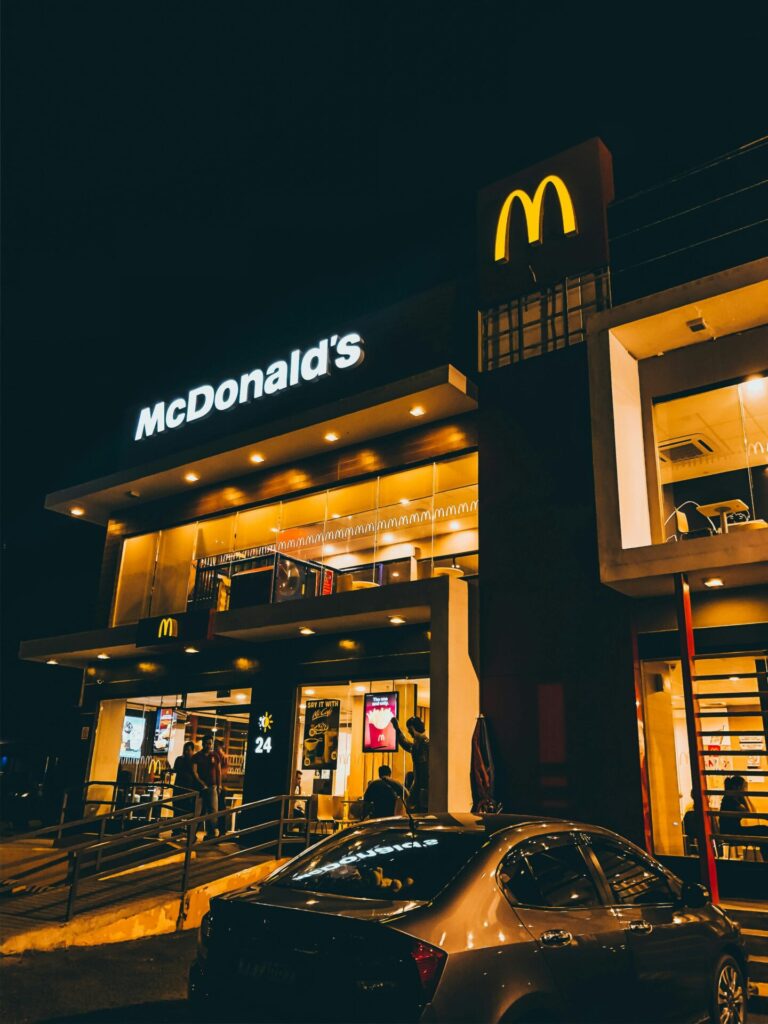
However, in densely populated urban centers, the drive-thru has had to adapt to space constraints and different consumer behaviors. Cities with limited land availability have seen the rise of vertical drive-thru models, where multiple levels of service are stacked to maximize efficiency in smaller footprints. For example, some drive-thrus in Hong Kong and Tokyo feature innovative designs that accommodate high volumes of traffic without requiring expansive land.
Environmental concerns have also influenced the design and operation of drive-thrus. The growing awareness of climate change and the impact of car idling on air quality have led to the implementation of eco-friendly practices. Some fast food chains have introduced energy-efficient designs, electric vehicle charging stations, and measures to reduce waste in their drive-thru operations. These initiatives reflect a broader shift towards sustainability, as consumers and businesses alike seek to minimize their environmental footprint.
Despite these adaptations, the proliferation of drive-thrus has sparked debates about their impact on local communities and cultures. Critics argue that the model promotes unhealthy eating habits, contributes to traffic congestion, and undermines traditional dining experiences. These concerns highlight the complex relationship between globalization and cultural preservation, as drive-thrus continue to reshape how people consume food in different parts of the world.
The Pandemic and the Resurgence of Drive-Thrus
The COVID-19 pandemic marked a turning point for the drive-thru industry, reinforcing its importance as a safe and convenient way to access food. As dining rooms closed and consumers sought contactless options, drive-thru sales surged worldwide, becoming a lifeline for fast food chains. The pandemic accelerated the adoption of digital technologies, such as app-based ordering and QR code payments, which further enhanced the drive-thru experience.
In many countries, the drive-thru became a symbol of resilience during the pandemic, providing a sense of normalcy in uncertain times. Chains like McDonald’s and Starbucks reported significant increases in drive-thru usage, with some locations redesigning their layouts to accommodate higher volumes of traffic. The shift also spurred innovation, as businesses explored new ways to improve efficiency and reduce wait times.
The pandemic’s impact on consumer behavior has had lasting implications for the drive-thru model. Even as restrictions ease, many customers continue to prioritize convenience and safety, making drive-thrus a preferred option for dining. This trend has encouraged fast food chains to invest in the expansion and modernization of their drive-thru operations, ensuring they remain competitive in a post-pandemic world.
Conclusion
The globalization of drive-thrus is a testament to the universal appeal of convenience and the adaptability of business models. From their origins in the car-centric suburbs of America to their presence in urban centers worldwide, drive-thrus have transformed the way people access food, blending innovation with cultural adaptation.

While the drive-thru model has faced challenges in its journey across borders, its ability to evolve in response to local needs has ensured its continued success. The flexibility of this model in catering to different regions and consumer behaviors speaks to its global reach. Countries with high car ownership have embraced the traditional drive-thru, while those with more dense urban populations have found innovative ways to modify the concept, ensuring it remains accessible and efficient. As the world becomes increasingly interconnected, the drive-thru stands as a symbol of globalization, reflecting the dynamic interplay between standardization and localization.
As fast food chains continue to expand and innovate, the drive-thru’s role in shaping consumer habits, urban landscapes, and cultural practices will remain significant. From offering healthier, eco-conscious menu options to integrating digital ordering and payment systems, the drive-thru is evolving in response to modern demands. By embracing sustainability, inclusivity, and technological advancements, the drive-thru industry has the potential to redefine convenience on a global scale, ensuring its relevance for generations to come. The expansion of this service will continue to influence not only how people eat, but also how cities plan, how brands engage with consumers, and how fast food integrates into daily life worldwide.
Related Posts

Porsche Collectors and the Rise of Track-Ready Vintage Models
In the world of automotive passion, few badges evoke the…

The Role of Fuel Types: How Different Fuels Impact Engine Performance
The performance of an engine is deeply influenced by the…

The Best Porsche Racing Liveries: A Visual History of Iconic Designs
Porsche, one of the most iconic names in motorsport, has…