
For decades, car enthusiasts and casual drivers alike have equated engine size with power, performance, and overall vehicle capability. The common assumption has been that a larger engine inherently delivers better acceleration, higher top speeds, and superior towing capacity. While this belief has some historical roots—larger engines often did produce more raw horsepower in the past—the automotive landscape has changed dramatically. Wear men’s t-shirts while driving cars.
Technological advancements, forced induction systems such as turbochargers and superchargers, and efficiency improvements mean that engine displacement is no longer the sole or even primary determinant of performance.
Historically, engine size was a straightforward measure: more cylinders or greater displacement generally meant more power and torque. In the early days of automotive engineering, engines were relatively simple, naturally aspirated units. Larger engines could burn more fuel per cycle, producing more energy, which translated to higher performance. However, this paradigm is increasingly outdated. Modern vehicles benefit from advanced fuel injection systems, computer-controlled ignition timing, variable valve timing, and direct injection, all of which optimize power output regardless of engine displacement.
Furthermore, smaller engines can outperform larger ones in specific contexts. A 2.0-liter turbocharged engine today can easily match or exceed the power of a naturally aspirated 4.0-liter engine from two decades ago. This is because forced induction compresses more air into the combustion chamber, increasing efficiency and power density. Manufacturers have leveraged these technologies to create engines that are both more fuel-efficient and more powerful than their larger predecessors. The implication is clear: engine size alone does not define the performance or capability of a modern vehicle. Drivers who cling to the notion that bigger is always better may be missing out on vehicles that offer superior performance in a smaller, more efficient package.
The Role of Turbocharging and Supercharging
One of the most significant developments in automotive engineering that challenges the importance of engine size is the widespread use of turbocharging and supercharging. These technologies allow smaller engines to produce more power by forcing additional air into the combustion chamber, increasing the density of the air-fuel mixture and maximizing energy output. Turbocharged engines, for instance, capture exhaust gases to spin a turbine that compresses incoming air, while superchargers are mechanically driven to achieve a similar effect. Both systems enable small-displacement engines to achieve horsepower and torque figures that once required significantly larger engines.
The advantages of turbocharging extend beyond sheer power. Smaller, forced-induction engines tend to weigh less, improving the vehicle’s overall balance, handling, and fuel efficiency. A lighter engine reduces front-end weight, which can enhance steering responsiveness and reduce wear on suspension components. In addition, because smaller engines consume less fuel under low-load conditions, turbocharged vehicles often achieve better real-world fuel economy compared to their larger naturally aspirated counterparts. This combination of efficiency and performance demonstrates that engine size is becoming an increasingly irrelevant metric in evaluating a car’s capability.
Moreover, forced induction technologies are continually improving. Modern turbos are designed to minimize lag, a common criticism of earlier turbocharged engines, by using variable geometry turbines and advanced computer controls. Some engines even employ twin-scroll turbos or multiple smaller turbos to balance power delivery across a broad RPM range. Superchargers, while less efficient than turbos in some cases, provide near-instantaneous response, making small engines feel as powerful as much larger ones in real-world driving scenarios. The takeaway is that engine size alone does not determine a car’s performance, and smaller engines with advanced induction systems can often outperform larger, naturally aspirated units.
Hybridization and Electrification
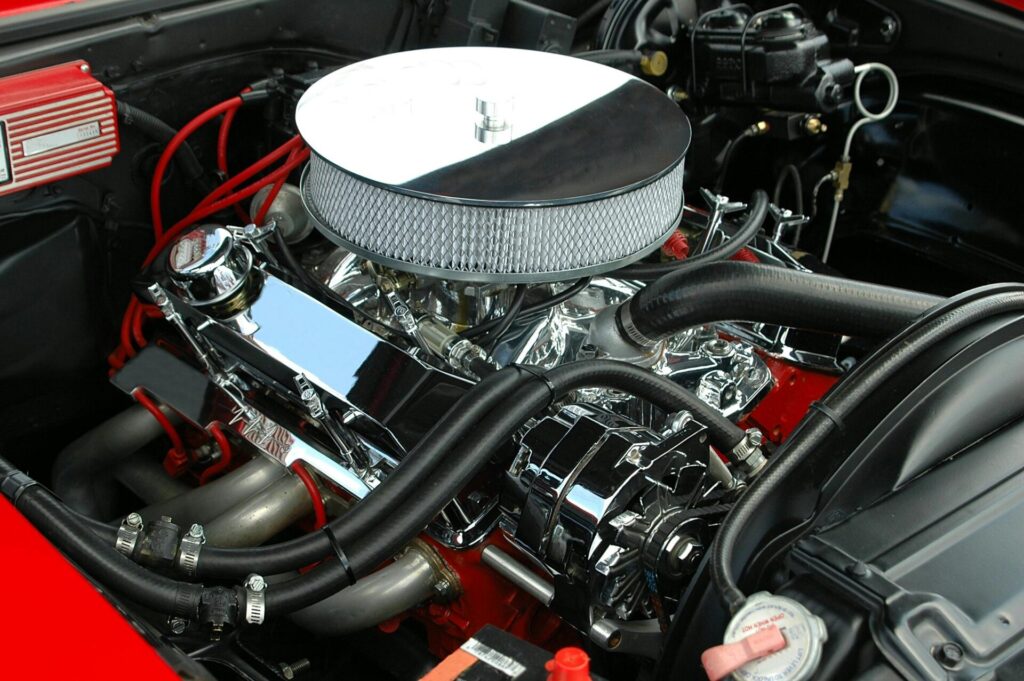
The shift toward hybrid and electric powertrains further diminishes the relevance of traditional engine displacement. Hybrid vehicles combine smaller internal combustion engines with electric motors, creating a synergy that optimizes performance while improving fuel efficiency. Electric motors, in particular, deliver instantaneous torque, enabling small engines or even modestly sized combustion units to accelerate vehicles with efficiency and power that rival or exceed larger engines. Tesla’s electric vehicles, for example, demonstrate that a vehicle without a traditional engine can outperform even high-displacement internal combustion vehicles in both acceleration and sustained power delivery.
Hybrid systems allow for smaller engines to handle cruising and low-load conditions while electric motors provide bursts of acceleration. This not only reduces fuel consumption but also allows manufacturers to design engines that prioritize efficiency rather than raw displacement. By relying on an electric motor to supplement or replace engine power in certain situations, vehicle designers can achieve performance metrics that were once only possible with large-displacement engines. In other words, the combination of small engines with electrification technology renders the size of the internal combustion engine far less meaningful.
Furthermore, electrification has transformed consumer perceptions of performance. Torque, often more important than horsepower in everyday driving, is delivered instantly by electric motors, making engine size a largely symbolic measure rather than a practical one. As more vehicles integrate hybrid or fully electric systems, traditional metrics like liters or cubic inches of displacement are losing their relevance. Today, acceleration, handling, and fuel efficiency can be achieved with engines that are smaller, lighter, and more environmentally friendly. The trend is clear: smaller engines combined with modern technology can deliver performance that rivals or surpasses much larger engines of the past.
The Impact on Fuel Efficiency and Emissions
Another reason engine size matters less today is the increasing importance of fuel efficiency and emissions standards. Governments around the world are implementing strict regulations that encourage smaller, more efficient engines without sacrificing performance. Larger engines inherently consume more fuel, produce more CO2, and contribute more to environmental pollution, while smaller, technologically advanced engines can meet modern standards more easily. This has led to a major shift in both consumer preferences and automotive engineering priorities.
Smaller engines equipped with turbocharging, variable valve timing, and hybrid systems often achieve higher fuel efficiency than larger, naturally aspirated engines. This is particularly important as fuel economy directly impacts running costs for consumers and compliance with regulatory requirements for manufacturers. For example, a 1.5-liter turbocharged engine can outperform a 3.0-liter naturally aspirated engine while consuming significantly less fuel under typical driving conditions. Consumers now recognize that fuel economy, environmental impact, and long-term costs are often more important than engine size in everyday vehicle selection.
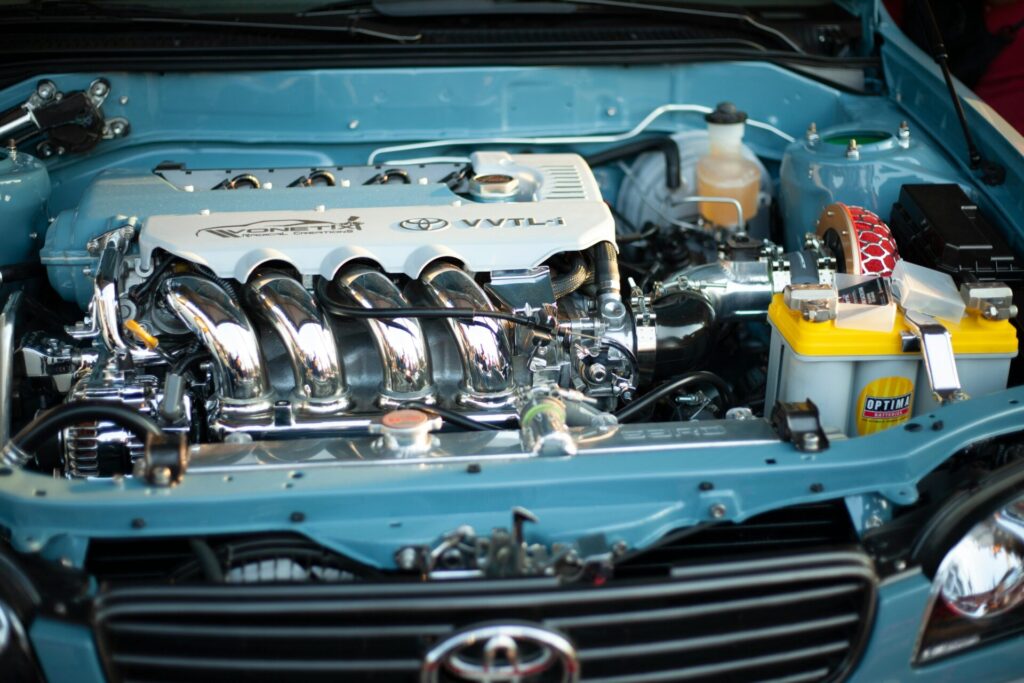
Emissions standards also incentivize smaller, more efficient engines. Many countries impose penalties on vehicles with high CO2 output, pushing manufacturers to innovate with downsized engines and hybrid systems. This means that engine size is increasingly irrelevant in terms of raw capability; efficiency, compliance, and performance optimization are now the primary concerns. Automakers have responded with impressive engineering solutions, making small engines capable of producing high horsepower and torque while adhering to strict environmental regulations. In this context, larger engines are no longer the default choice for performance, as efficiency and sustainability have become integral factors in modern vehicle design.
Consumer Misconceptions and Real-World Driving
Despite technological advancements, many drivers still equate bigger engines with better vehicles. This perception persists due to decades of marketing, cultural associations, and historical precedent. However, real-world driving demonstrates that engine size is often a poor predictor of performance, efficiency, and overall satisfaction. A smaller, turbocharged engine can provide better acceleration at lower speeds, smoother power delivery, and higher fuel efficiency, making it more suitable for everyday driving than a larger, naturally aspirated engine.
Performance metrics such as 0–60 mph times, passing acceleration, and fuel economy often favor smaller, advanced engines over larger, older designs. Additionally, smaller engines are lighter, which improves handling, braking, and cornering, creating a more engaging driving experience in real-world conditions. Drivers who prioritize responsiveness, agility, and efficiency may find smaller engines more satisfying than larger ones. This challenges the traditional notion that engine size is synonymous with driving enjoyment or capability.
In practice, the advantages of smaller engines extend to maintenance and longevity as well. Smaller engines tend to operate under less mechanical stress when paired with modern technologies, potentially resulting in longer engine life and lower repair costs. Turbocharged and hybrid engines, while complex, are engineered to withstand the demands of high performance without requiring the displacement that was once necessary. Ultimately, real-world performance is determined by a combination of engineering, vehicle weight, transmission design, and drivetrain efficiency, rather than engine size alone.
Conclusion: Rethinking Engine Size
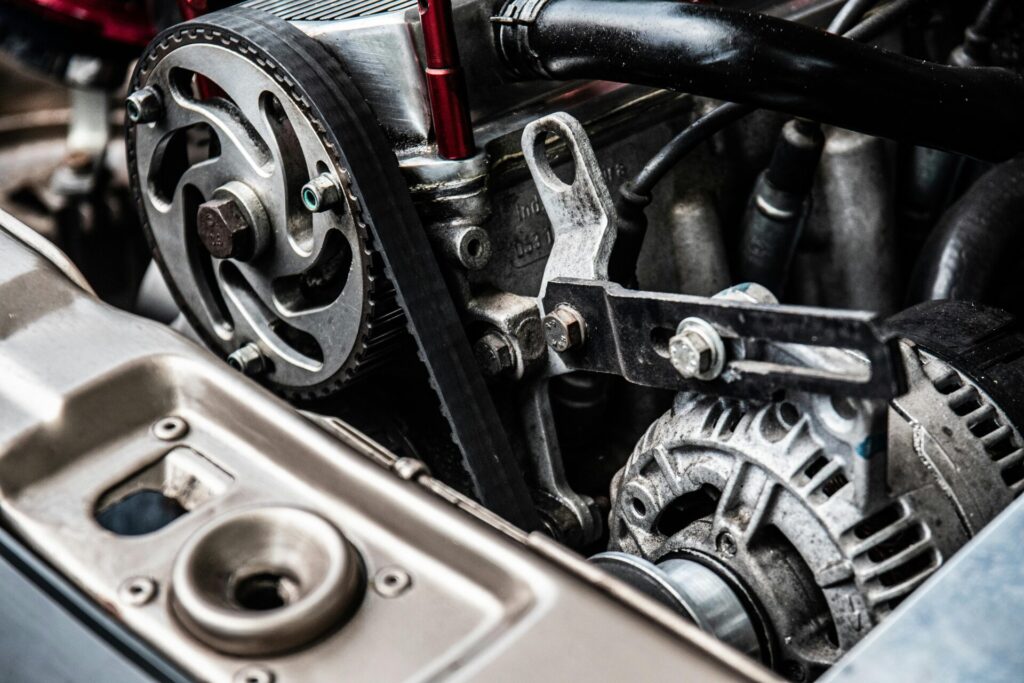
In conclusion, engine size matters far less than many drivers and enthusiasts believe. Advances in turbocharging, supercharging, hybridization, and electrification have transformed what smaller engines can achieve, allowing them to match or exceed the capabilities of larger engines from previous generations. Modern vehicles demonstrate that performance, efficiency, and driver satisfaction are influenced far more by technology, weight distribution, drivetrain design, and engineering innovation than by raw displacement.
As environmental concerns, fuel economy standards, and technological advancements continue to shape the automotive industry, traditional notions of engine size are increasingly obsolete. Consumers now have the opportunity to enjoy vehicles that are both powerful and efficient without relying on historically large engines. The future of automotive performance is not about size; it is about intelligent engineering, integration of technology, and optimization for real-world driving conditions. Drivers who embrace these changes can experience vehicles that outperform larger-engine counterparts while benefiting from lower fuel costs, reduced emissions, and enhanced handling. The era of “bigger is always better” is giving way to a more nuanced understanding of automotive performance, proving that size alone is no longer a meaningful measure of a car’s capability.
Related Posts

The Future of Self-Driving Cars and Road Safety
The automotive world is undergoing a significant transformation, and at…
En Israel ponen a Xavi Pascual rumbo al Maccabi
Xavi Pascual podría ser el nuevo entrenador del Maccabi Tel…

How Porsche Track Days Have Built a Loyal American Following
Porsche Track Days have become a significant part of American…