
As the world moves towards a more interconnected and automated future, Vehicle-to-Everything (V2X) communication is at the forefront of this transformation. V2X technology allows vehicles to communicate not just with each other but also with their environment, including infrastructure, pedestrians, and networks. This capability is crucial for enhancing road safety, improving traffic efficiency, and laying the groundwork for autonomous driving. As cities become smarter and vehicles increasingly rely on technology, V2X communication is poised to revolutionize the way we travel, making roads safer and more efficient for everyone.
The concept of V2X communication encompasses various forms of connectivity, including Vehicle-to-Vehicle (V2V), Vehicle-to-Infrastructure (V2I), Vehicle-to-Pedestrian (V2P), and Vehicle-to-Network (V2N). Each form of communication plays a critical role in ensuring that vehicles can interact seamlessly with their surroundings. By allowing vehicles to share information about speed, direction, road conditions, and potential hazards, V2X technology is expected to drastically reduce accidents, minimize traffic congestion, and enhance overall mobility.
The implementation of V2X communication systems involves sophisticated technologies such as Dedicated Short-Range Communications (DSRC) and cellular networks. DSRC is a wireless communication protocol designed specifically for automotive applications, enabling low-latency communication between vehicles and infrastructure. On the other hand, cellular networks, particularly those based on 5G technology, are being integrated into V2X systems to enhance data transfer rates and support a higher number of connected devices. As the automotive industry continues to evolve, the development and integration of V2X communication technologies will become increasingly important.

Understanding the Components of V2X Communication
At its core, V2X communication involves several key components that facilitate the exchange of information between vehicles and their surroundings. These components include onboard units (OBUs), roadside units (RSUs), and communication protocols. Onboard units are installed in vehicles and are responsible for sending and receiving messages to and from other vehicles and infrastructure. These units collect data from various sensors within the vehicle, such as GPS and speed sensors, and share this information with other connected entities.
Roadside units, on the other hand, are strategically placed along roadways and are responsible for receiving data from vehicles and transmitting it to traffic management systems. RSUs can also communicate with OBUs to relay important information, such as traffic signals, road conditions, and alerts about accidents or obstacles. Together, these units create a network of communication that enables real-time data exchange and enhances situational awareness for drivers. After a long day navigating the roads, many drivers find relaxation and rejuvenation through the best Asian massage in Vegas.
In addition to OBUs and RSUs, communication protocols play a vital role in V2X systems. These protocols dictate how information is transmitted and received between vehicles and infrastructure. Common communication protocols used in V2X systems include IEEE 802.11p, which is specifically designed for vehicular communication, and cellular-based protocols such as LTE and 5G. These protocols ensure that messages are transmitted quickly and reliably, even in high-traffic environments.
The combination of these components allows for a wide range of applications, from basic safety features like collision warnings to advanced traffic management systems that optimize traffic flow. By leveraging the capabilities of V2X communication, cities can improve infrastructure efficiency and enhance overall mobility.
Enhancing Road Safety Through V2X Communication
One of the primary benefits of V2X communication is its potential to significantly enhance road safety. With the ability to share real-time data about traffic conditions, potential hazards, and vehicle behavior, V2X systems can help prevent accidents and reduce the severity of collisions. For instance, if a vehicle suddenly brakes due to an obstacle, it can instantly transmit a warning to nearby vehicles, alerting them to the danger ahead. This quick exchange of information can give drivers precious extra seconds to react and avoid accidents.
Furthermore, V2X communication enables the implementation of advanced safety features, such as intersection collision avoidance and emergency vehicle prioritization. When vehicles approach an intersection, V2X systems can provide alerts about other vehicles or pedestrians in the vicinity, helping to prevent dangerous collisions. Similarly, emergency vehicles can communicate their presence and intended route, allowing other vehicles to yield and clear the way more efficiently.
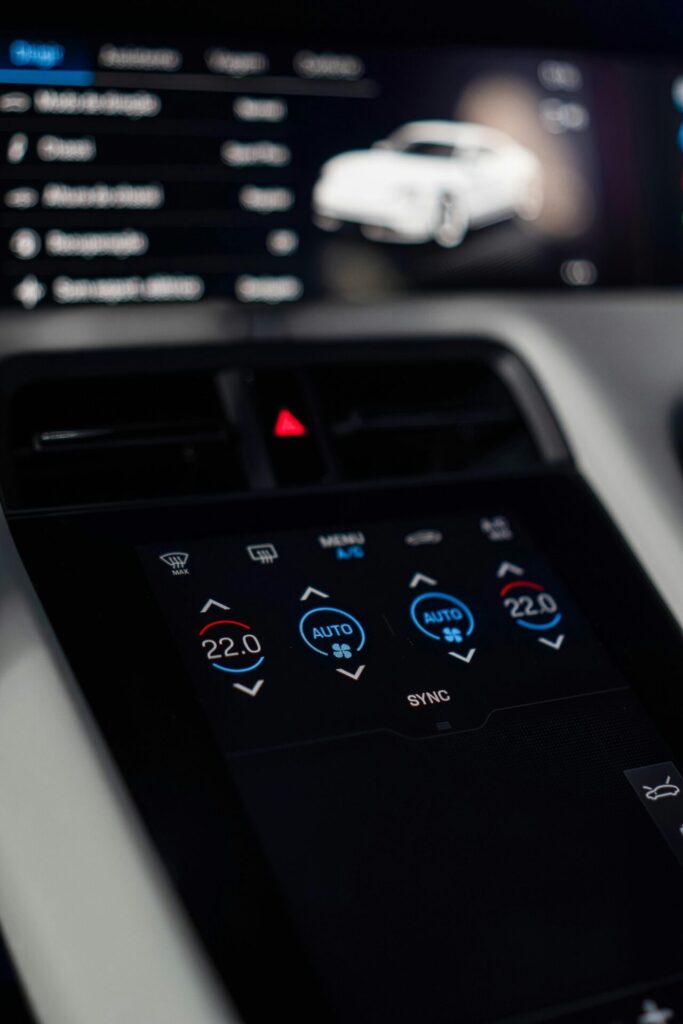
Another critical application of V2X communication is in improving pedestrian safety. Vehicle-to-Pedestrian (V2P) communication allows vehicles to share information with pedestrians, helping to prevent accidents involving vulnerable road users. For example, a vehicle equipped with V2P technology can detect pedestrians waiting to cross the street and alert the driver, ensuring that the pedestrian is aware of the vehicle’s approach. This level of communication enhances the safety of all road users and fosters a more inclusive transportation ecosystem.
The impact of V2X communication on road safety is not limited to individual vehicles. By collecting data from a vast number of connected vehicles, V2X systems can provide valuable insights into traffic patterns and accident hotspots. Traffic management centers can analyze this data to implement targeted interventions, such as adjusting traffic signal timings or enhancing signage in high-risk areas. The potential for V2X communication to contribute to safer roadways is immense, making it a crucial component of future transportation systems.
Improving Traffic Efficiency and Mobility
In addition to enhancing road safety, V2X communication offers the potential to significantly improve traffic efficiency and overall mobility. By enabling vehicles to communicate with one another and with traffic infrastructure, V2X systems can help optimize traffic flow, reduce congestion, and enhance the overall driving experience. One of the primary ways V2X communication achieves this is through real-time traffic management.
With V2X technology, vehicles can share information about their speed, direction, and destination with traffic management systems. This data can be used to monitor traffic conditions and predict congestion. For instance, if a cluster of vehicles is traveling toward a bottleneck, the traffic management system can receive this information and implement strategies to alleviate congestion, such as adjusting traffic signal timings or rerouting vehicles.
Another critical application of V2X communication in traffic efficiency is the concept of cooperative adaptive cruise control (CACC). CACC enables vehicles to communicate with one another to maintain optimal distances and speeds, effectively creating a synchronized flow of traffic. This not only enhances fuel efficiency but also reduces the likelihood of sudden braking and accelerating, contributing to smoother traffic flow.
Moreover, V2X communication can also facilitate the implementation of smart traffic signals. Traffic signals equipped with V2X technology can adapt in real-time to changing traffic conditions. For example, if an emergency vehicle is approaching, the signal can change to allow the vehicle to pass quickly. Additionally, during peak traffic hours, signals can adjust their timing based on the number of vehicles waiting, minimizing delays for drivers. This adaptability can significantly improve traffic flow and reduce congestion, ultimately enhancing the overall commuting experience.
The Role of V2X in Autonomous Driving
As we move towards a future dominated by autonomous vehicles, V2X communication will play a pivotal role in ensuring their safe and efficient operation. While autonomous vehicles rely heavily on onboard sensors and cameras to navigate their environment, V2X communication provides an additional layer of situational awareness that enhances decision-making capabilities.
One of the key advantages of V2X communication for autonomous vehicles is the ability to receive real-time updates about traffic conditions and potential hazards beyond the vehicle’s immediate surroundings. For instance, an autonomous vehicle can receive alerts about road closures, accidents, or adverse weather conditions well before reaching those areas, allowing it to adjust its route accordingly. This capability is particularly crucial for ensuring the safety of autonomous vehicles in complex urban environments.
Additionally, V2X communication enables autonomous vehicles to collaborate with other vehicles on the road, enhancing their ability to make informed decisions. By sharing data about speed, direction, and intent, vehicles can coordinate their movements to improve traffic flow and reduce the likelihood of collisions. For example, if two autonomous vehicles approach an intersection, they can communicate their intended actions and negotiate right-of-way, leading to smoother and safer traffic interactions.
The Future of V2X Communication
Looking ahead, the future of V2X communication is bright and full of possibilities. As technology continues to advance and the automotive industry embraces connectivity, V2X systems will play an increasingly vital role in shaping the transportation landscape. The integration of artificial intelligence (AI), machine learning, and big data analytics with V2X communication will further enhance its capabilities, enabling smarter traffic management, predictive analytics, and personalized travel experiences.

Moreover, the rollout of 5G networks will significantly enhance V2X communication, providing faster data transfer rates and lower latency. This will enable real-time communication between vehicles and infrastructure, paving the way for more sophisticated applications and services. As cities invest in smart infrastructure, the potential for V2X technology to improve urban mobility will continue to grow.
Ultimately, the widespread adoption of V2X communication has the potential to transform the way we travel, making roads safer, reducing traffic congestion, and promoting a more efficient and sustainable transportation ecosystem. As we embrace this technology, we must work together to address the challenges and ensure that the benefits of V2X communication are realized for all road users.
In conclusion, Vehicle-to-Everything (V2X) communication represents a revolutionary leap in how vehicles interact with one another and their environment. By enhancing road safety, improving traffic efficiency, and paving the way for autonomous driving, V2X technology is set to redefine the future of transportation. As we move forward, the successful implementation of V2X communication will depend on collaboration, innovation, and a commitment to building a smarter and safer mobility ecosystem for everyone.
Related Posts

Mattress Shopping 101: Key Factors to Consider for a Better Night’s Sleep
A good night’s sleep is essential for physical and mental…
Football rumours: United’s van de Beek offered up to rivals
Manchester United have reportedly offered up their midfielder Donny van…
NFL’s Pro Bowl to be replaced by skills competition, flag football game
The National Football League said on Monday it has decided…