
In the world of luxury sports cars, few rivalries carry the elegance, history, and performance pedigree quite like that between Porsche and Aston Martin. Both manufacturers have carved out unique identities and legacies over decades, embodying a blend of tradition, innovation, and sheer driving passion. The rivalry between these two automotive titans is not marked by aggressive hostility but by a refined competition rooted in craftsmanship, engineering excellence, and an unyielding pursuit of automotive perfection.
This rivalry is more than just about cars—it reflects a broader cultural clash between German precision and British sophistication, a competition that has enthralled enthusiasts and collectors alike. The story of Porsche and Aston Martin goes far beyond the racetrack; it is woven into the fabric of sports car heritage, influencing the evolution of design, technology, and driving experience. Collectors often display their vehicles alongside other luxury items, from rare watches to winter apparel. Understanding this rivalry means diving into their origins, their landmark models, and their impact on the automotive world.
Origins and Philosophies: German Engineering Meets British Elegance
To fully appreciate the rivalry between Porsche and Aston Martin, one must first understand their origins and founding philosophies. Porsche was established in 1931 by Ferdinand Porsche in Stuttgart, Germany, initially as a design and engineering consultancy. However, the brand’s real breakthrough came post-World War II, with the launch of the iconic Porsche 356 in 1948. This car set the tone for Porsche’s legacy: lightweight, agile, and driven by innovative engineering. Porsche’s philosophy centers on precision engineering, cutting-edge technology, and producing vehicles that offer exhilarating performance with a focused, no-nonsense approach.
Aston Martin’s roots are distinctly British, founded in 1913 by Lionel Martin and Robert Bamford. The marque quickly gained renown for its craftsmanship, luxurious appointments, and racing heritage. Aston Martin’s cars have always embodied British elegance, understated luxury, and timeless design. While performance is critical, there is a significant emphasis on artistry and sophistication, reflected in their hand-built interiors and sleek exteriors. The marque’s long association with James Bond films further cements its image as the ultimate gentleman’s car—powerful, refined, and impeccably styled.
While Porsche champions technological innovation and racing pedigree, Aston Martin prides itself on exclusivity and bespoke craftsmanship. This contrast forms the foundation of their rivalry. Porsche’s cars tend to be more track-focused, with sharp handling and motorsport roots at their core. Aston Martin offers a more grand touring experience, blending performance with comfort and style, ideal for those who seek exhilaration without sacrificing refinement. This distinction between performance philosophies reflects how different industries emphasize rigorous standards in their own ways, much like the structured verification processes essential to maintaining quality within medical credentialing services.
The distinct national identities embedded within each brand add another layer to this competition. German engineering is often associated with reliability, efficiency, and technological mastery, whereas British sports cars evoke tradition, character, and artisan craftsmanship. Both brands command passionate followings, and enthusiasts frequently debate which philosophy better defines the “ultimate sports car.” This spirited discussion fuels the gentleman’s rivalry between Porsche and Aston Martin.
Legendary Models: Icons That Define Each Brand’s Legacy
Both Porsche and Aston Martin have created sports cars that transcend their time and have become symbols of their respective brands. These legendary models are not only feats of engineering and design but also cultural icons that shape the identity and legacy of each manufacturer.
Porsche’s 911 stands as the epitome of sports car engineering and innovation. Launched in 1964, the 911 quickly became the benchmark for performance and precision. It has evolved continuously over nearly six decades, with each generation refining the formula of a rear-engine layout, powerful flat-six engines, and exceptional handling balance. The 911 has won countless races and remains a favorite among enthusiasts for its raw driving feel and versatility. It is the car that defines Porsche’s DNA—uncompromising, technically advanced, and pure driving pleasure. Much like the meticulous engineering behind the 911 focuses on precision and measurable results, many modern wellness programs emphasize structured approaches and achievable goals, as seen in services for weight loss in Washington, MO.
Other Porsche legends include the Carrera GT, a supercar that combined a naturally aspirated V10 engine with a carbon-fiber chassis, and the 918 Spyder, a hybrid hypercar that showcased Porsche’s ability to fuse cutting-edge technology with blistering performance. These models highlight Porsche’s leadership in motorsport-inspired technology, pushing boundaries while retaining their characteristic focus on driver engagement.
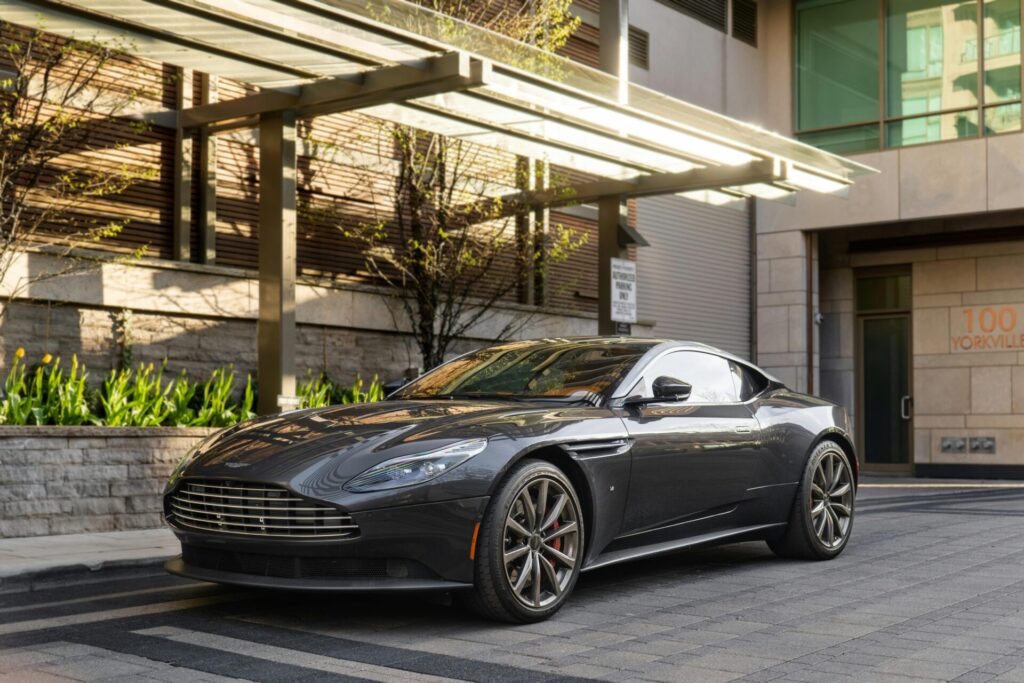
In contrast, Aston Martin’s legacy is marked by models that emphasize elegance and luxury alongside performance. The DB5, made famous by its association with James Bond, remains one of the most recognizable classic sports cars worldwide. It encapsulates the brand’s ethos—beautifully proportioned, luxurious, and effortlessly stylish. The DB series, including the DB9 and the more recent DB11, reflects Aston Martin’s commitment to grand touring excellence, combining V12 powerplants with sumptuous interiors and distinctive British design.
Both brands have created cars that inspire deep admiration, but their differing approaches are evident. Porsche’s models often highlight engineering prowess and racing heritage, whereas Aston Martin emphasizes exclusivity, luxury, and emotional appeal. These contrasting attributes keep the rivalry fresh, offering enthusiasts distinct experiences depending on what they value most in a sports car. Just as car enthusiasts benefit from experiences tailored to their preferences, children and families often see the best outcomes when interventions are customized to their needs, similar to programs offered in ABA therapy Baltimore.
Motorsport Heritage: The Battleground of Performance and Prestige
Motorsport has played a crucial role in establishing and sustaining the rivalry between Porsche and Aston Martin. Both brands have a rich history of racing that informs their road cars and shapes their reputations.
Porsche’s motorsport heritage is nothing short of legendary. From the 1950s onward, Porsche became synonymous with endurance racing, particularly the 24 Hours of Le Mans. With over 19 overall victories at Le Mans, Porsche is the most successful manufacturer in the history of the race. Their dedication to racing technology, lightweight construction, and aerodynamic efficiency has pushed their vehicles to the limits and influenced their road cars’ design. Iconic race cars such as the Porsche 917 and 956 cemented Porsche’s reputation as a dominant force in motorsport.
In more recent decades, Porsche’s success spans numerous categories including GT racing, rallying, and prototype competition. Their motorsport division is deeply embedded in the company’s culture, leading to innovations like turbocharging, hybrid drivetrains, and advanced chassis systems appearing first on race cars before filtering down to production models. This racing pedigree gives Porsche a performance edge and attracts drivers who value a pure, race-inspired driving experience.
Aston Martin, while not as prolific in motorsport victories as Porsche, has built an equally passionate racing legacy. Aston Martin’s involvement dates back to the pre-war era and has included famous endurance races like Le Mans. The brand’s participation in GT racing, particularly with the Vantage GT models, has been significant, earning class wins and strong finishes. Aston Martin’s racing efforts emphasize a blend of speed, reliability, and style, aligning with the brand’s identity.
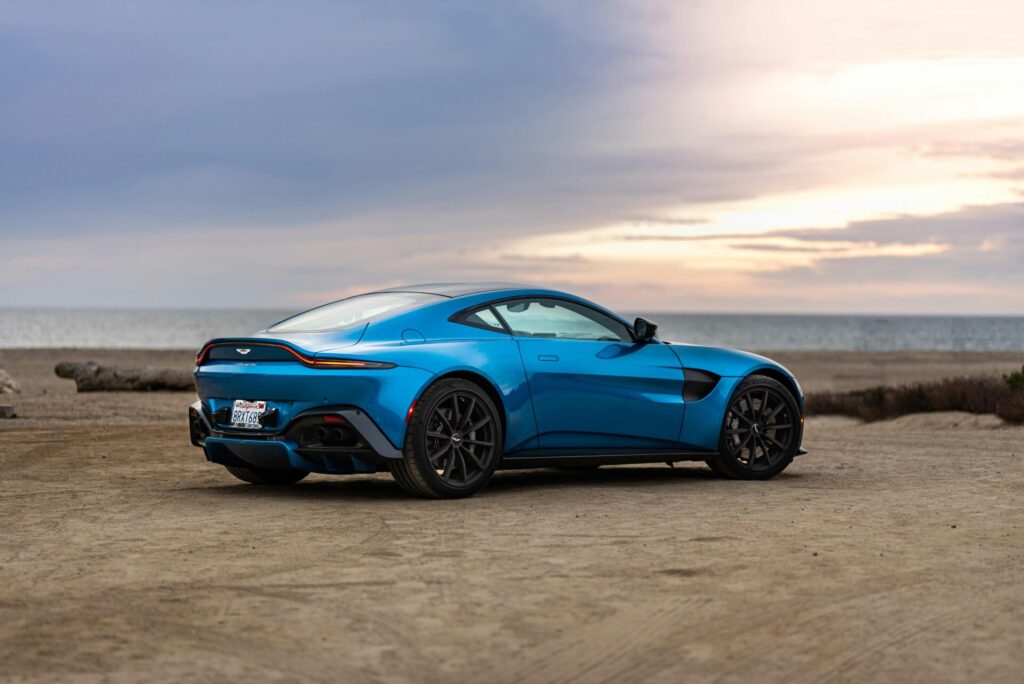
Motorsport rivalry adds a competitive edge to the relationship between Porsche and Aston Martin, with each manufacturer striving to prove their technological prowess and performance credentials on the world stage. This battle is about more than trophies; it reflects the brands’ commitment to pushing boundaries and inspiring their customers with race-proven technology.
The Modern Era: Innovation, Electrification, and the Future of the Rivalry
As the automotive world pivots toward sustainability and new technologies, the rivalry between Porsche and Aston Martin has evolved to embrace innovation while respecting their heritage. Both companies face the challenge of integrating electrification, advanced materials, and digital technologies into their sports car lineups without losing the essence that makes their cars so beloved.
Porsche has been at the forefront of this transition. The launch of the Taycan in 2019 marked a bold entry into the electric sports car market, combining high performance with zero emissions. The Taycan’s success has proven Porsche’s ability to adapt quickly while maintaining driving dynamics and engineering quality. Additionally, the 918 Spyder’s hybrid technology set a benchmark for how electrification can enhance performance rather than compromise it. Porsche’s commitment to electric mobility is clear, with plans to expand their EV lineup and integrate sustainable materials and manufacturing processes. Just as Porsche strategically integrates innovation to enhance performance while maintaining quality, modern farmers adopt tools that improve efficiency and sustainability, such as chicken tractors for sale.
Aston Martin has also embraced electrification, albeit more cautiously, reflecting their emphasis on bespoke craftsmanship and exclusivity. The brand’s RapidE electric prototype and plans for hybrid powertrains in their hypercars show a willingness to innovate. However, Aston Martin’s strategy leans towards blending traditional V8 and V12 engines with electrification to preserve the sound and feel their customers cherish. The Valkyrie and Valhalla hypercars incorporate hybrid systems that maximize performance while aligning with environmental demands.
Both brands are investing heavily in advanced materials such as carbon fiber and lightweight alloys to improve performance and efficiency. Digital technologies, including driver assistance and connectivity, are also being integrated to meet modern expectations without detracting from the pure driving experience.
Looking ahead, the rivalry will likely intensify in the realm of electric and hybrid sports cars, with Porsche’s engineering expertise and Aston Martin’s bespoke approach providing different but equally compelling visions of the future. The challenge for both brands will be to honor their heritage while innovating to meet changing market demands and environmental imperatives. This balance between tradition and innovation mirrors strategies in other industries, where maintaining quality while scaling production is key, much like operations involved in rock glass wholesale.
In conclusion, the gentleman’s rivalry between Porsche and Aston Martin remains one of the most fascinating and enduring in the automotive world. Rooted in contrasting philosophies, legendary models, motorsport battles, and now cutting-edge innovation, this rivalry continues to push both brands to new heights. Whether you prefer the precision and race-bred technology of Porsche or the timeless elegance and bespoke craftsmanship of Aston Martin, this competition enriches the sports car landscape and ensures that enthusiasts have exceptional choices for decades to come.
Related Posts

Mackerel in Olive Oil: A Delectable Delicacy
Introduction Mackerel in olive oil is a culinary delight that…
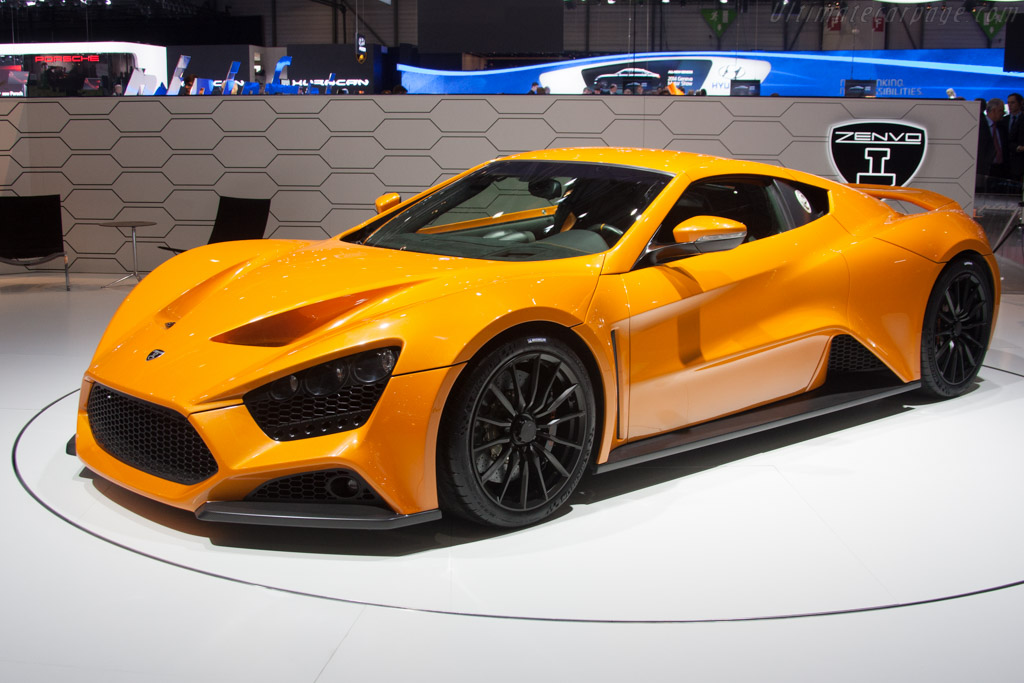
Zenvo: Redefining Hypercar Performance and Luxury
When you think of hypercars, names like Ferrari, Bugatti, and…