
The video game industry has played a pivotal role in shaping modern car culture, and titles like Grand Theft Auto (GTA) and Need for Speed stand at the forefront of this cultural transformation. These games have not only entertained millions but also influenced how people perceive, interact with, and appreciate cars. Before delving deeper, it’s essential to understand how the design of these games revolutionized the virtual driving experience and created new avenues for car enthusiasts to explore automotive passion beyond the real world.
In the late 1990s and early 2000s, racing and driving games were typically limited to straightforward circuits or linear gameplay modes. However, the Need for Speed series broke new ground by offering diverse driving experiences, ranging from intense street races to police chases, all with a focus on customization and speed. Meanwhile, Grand Theft Auto, particularly from its third installment onward, introduced sprawling open-world cities where cars were not just vehicles for racing but integral elements of an immersive urban playground.
The open-world design philosophy allowed players unprecedented freedom to explore detailed virtual cities and interact with cars in realistic ways. Players could engage in races, evade law enforcement, customize vehicles, and even simply cruise around at their own pace. This immersion created a deep connection between players and their digital cars, cultivating a sense of ownership and pride similar to that experienced by real-life car enthusiasts.
Beyond mere gameplay mechanics, these titles incorporated realistic physics models and detailed car designs, often inspired by real vehicles. This fidelity helped foster appreciation for automotive engineering and design. Players began to recognize and value different car types, from sleek sports cars to rugged muscle cars, creating an informed community that extended beyond the screen.
Moreover, these games incorporated customization features that allowed players to personalize their cars extensively. From paint jobs and body kits to engine upgrades and performance tuning, Need for Speed especially tapped into a growing culture of car modification. This feature encouraged players to experiment with car aesthetics and performance in ways that translated into real-world interest and enthusiasm.
The integration of police chases and high-stakes races added layers of excitement and risk, appealing to the thrill-seeker in many players. These elements highlighted the adrenaline-fueled aspect of car culture, often glamorized in movies and music, and made it accessible through interactive gameplay.
Influence on Real-World Car Modification and Trends
One of the most profound impacts that Grand Theft Auto and Need for Speed had on car culture is their direct influence on real-world car modification trends. The customization options offered in these games ignited a passion for vehicle personalization, inspiring players to translate their virtual creativity into tangible automotive projects. This phenomenon has shaped the aftermarket tuning scene and broadened the appeal of modified cars worldwide.
The extensive array of modifications available in games—ranging from aesthetic changes like custom paint jobs, decals, and body kits to performance enhancements such as turbochargers, suspension upgrades, and engine swaps—provided players with a virtual playground for automotive expression. By experimenting with different configurations, players gained a deeper understanding of how each modification affected a car’s look and performance.
This knowledge and enthusiasm often spilled over into real life. Many players sought out aftermarket parts and tuning shops to recreate the styles they admired in the game. For example, the “Import Tuner” movement, which focuses on Japanese domestic market (JDM) cars with aggressive styling and performance upgrades, gained enormous popularity partly due to its depiction in these video games.
The cultural crossover was especially evident with Need for Speed: Underground and Most Wanted titles, which emphasized street racing culture, neon lights, and bold customization. The visual aesthetics in these games—flashing underglow lights, oversized spoilers, and body modifications—became iconic and were mimicked by real enthusiasts at car meets and shows worldwide.
Moreover, the games highlighted the importance of performance tuning, teaching players how modifications like exhaust systems, nitrous oxide kits, and tire choices affected a car’s handling and speed. This interactive education gave enthusiasts a more technical understanding of automotive mechanics, encouraging smarter and safer modifications.
The social nature of these games, especially with multiplayer modes and online forums, created communities where players exchanged advice, modification builds, and experiences. This collective knowledge-sharing fostered a collaborative car culture, often bridging geographical boundaries. Clubs, meetups, and tuning workshops sprouted as natural extensions of these online interactions.
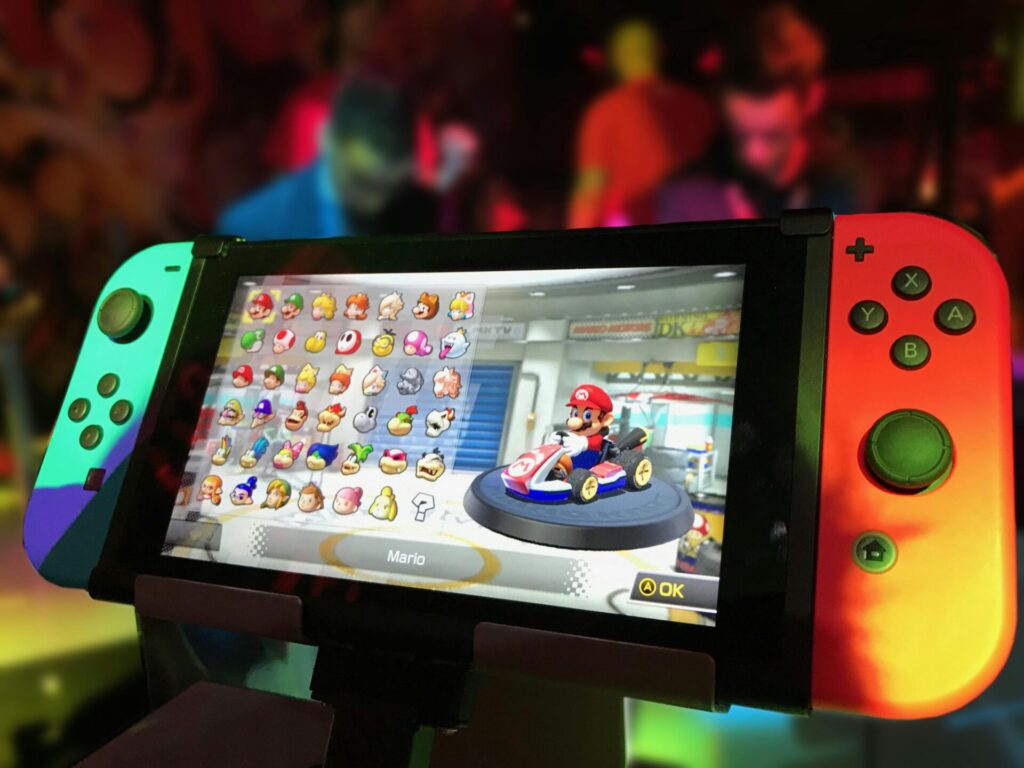
In addition to the Import Tuner influence, muscle cars and classic vehicles received renewed attention, thanks in part to GTA’s diverse car rosters. The ability to drive and customize vintage American muscle cars in the game sparked nostalgia and pride in heritage models. Consequently, classic car restoration and modification surged as enthusiasts aimed to capture the thrill and style they experienced virtually.
The media exposure from these games also attracted a new generation to car culture. Players who might not have been interested in cars before were drawn in by the excitement, aesthetics, and freedom the games provided. This influx of fresh interest expanded the community and diversified the culture, bringing in new ideas, styles, and values.
Shaping Public Perception and Mainstream Acceptance of Car Culture
Video games like GTA and Need for Speed have played a significant role in shaping public perception and increasing the mainstream acceptance of car culture. These games brought car culture into living rooms around the world, transforming it from a niche hobby into a global phenomenon appreciated by diverse demographics.
Historically, car culture was often associated with specific subcultures, sometimes stereotyped as reckless or rebellious. Street racing, in particular, was seen by many as illegal and dangerous behavior. However, through immersive storytelling and engaging gameplay, these games introduced a more layered and relatable view of car culture, balancing excitement with consequences and community.
Grand Theft Auto’s sprawling narratives often included detailed depictions of urban life where cars were not only modes of transportation but symbols of identity, status, and freedom. Players inhabited characters who navigated complex social environments, with cars serving as extensions of personality and lifestyle. This representation helped broaden the appeal of car culture by connecting it to themes of personal expression, ambition, and creativity.
Similarly, Need for Speed offered a thrilling yet accessible entry point to automotive enthusiasm. The series’ focus on customization and competition showcased car culture as a dynamic and evolving art form. By emphasizing skill, strategy, and innovation, the games elevated the status of car enthusiasts from mere hobbyists to dedicated practitioners of a passionate craft.
The visual and auditory elements of these games—realistic car models, engine sounds, and high-octane chase sequences—immersed players in the visceral excitement of driving, sparking emotional connections with vehicles. These sensory experiences often translate to real-world fascination, fueling interests in motorsport, car collecting, and automotive technology.

Furthermore, the global reach of these games helped unify disparate car communities across different countries and cultures. Whether it was players in Tokyo customizing virtual sports cars or gamers in Los Angeles evading virtual police in muscle cars, the shared language of cars fostered cross-cultural appreciation and collaboration. This internationalization contributed to the globalization of car culture, making it more inclusive and varied.
The games also influenced popular media beyond gaming. Films, music videos, and advertising drew inspiration from the aesthetics and themes popularized by GTA and Need for Speed. This feedback loop increased visibility and acceptance, embedding car culture more deeply into mainstream entertainment.
Conclusion: Video Games as Catalysts of Car Culture Evolution
The impact of video games like Grand Theft Auto and Need for Speed on car culture cannot be overstated. Through their pioneering open-world designs, detailed customization options, and thrilling gameplay, these games have transformed how people interact with and perceive cars, both virtually and in the real world. They have bridged the gap between fantasy and reality, inspiring countless players to explore automotive passion beyond the screen.
By influencing real-world car modification trends, educating enthusiasts about vehicle dynamics and aesthetics, and promoting safe yet exciting representations of street racing, these games have deeply embedded themselves into the fabric of car culture. They have helped evolve car culture from a specialized subculture into a global, diverse, and inclusive community.
Moreover, the games have played a critical role in shifting public perception, making car culture more accessible and mainstream. The emotional connections forged through immersive gameplay have sparked interest in motorsport, car collecting, and automotive technology across generations and geographies.
Looking ahead, as video game technology continues to advance—incorporating virtual reality, hyper-realistic physics, and increasingly complex social ecosystems—the influence of gaming on car culture is set to grow even stronger. These virtual platforms will continue to serve as creative laboratories and social hubs, where the next generation of car enthusiasts will hone their skills, share their passions, and push the boundaries of automotive innovation.

In essence, GTA and Need for Speed have not just changed car culture—they have become foundational pillars in its ongoing evolution. The road ahead is bright, with video games continuing to drive and shape the future of how we celebrate, customize, and connect over our love of cars.
Related Posts

The Safety of Keeping Shrimp in a 500-Gallon Aquarium
Aquariums have long been a source of fascination for people…
5 Things You Need To Know About Network Management Software
Network Management is often a subject filled with a lot…
What Makes Energy Pro Windows That Special?
Making sure that you have high-quality windows that protect your…