
For decades, Ferrari and Lamborghini have dominated the world of supercars, engaging in one of the most famous rivalries in automotive history. Both brands have become synonymous with speed, luxury, and cutting-edge engineering, but their competition extends beyond mere performance—it embodies prestige, passion, and an enduring clash of philosophies. In this in-depth comparison, we explore the origins, key models, technological advancements, and the ongoing battle for supremacy between these two legendary Italian marques.
Origins of the Rivalry
Ferrari: A Racing Legacy
Founded in 1939 by Enzo Ferrari, Ferrari was born out of a deep passion for motorsport. The company’s roots lie in the world of racing, where Scuderia Ferrari made its name before launching its first road car, the 125 S, in 1947. Enzo Ferrari was dedicated to performance and innovation, viewing road cars primarily as a means to fund his racing endeavors. This racing pedigree would become an integral part of Ferrari’s identity, influencing its design philosophy and brand ethos.
Lamborghini: A Bold Challenger
Lamborghini, in contrast, had a very different beginning. Ferruccio Lamborghini, a successful tractor manufacturer, was a car enthusiast who owned several Ferraris. Displeased with their reliability and customer service, he directly confronted Enzo Ferrari about the flaws in his cars. Enzo, dismissive of Lamborghini’s complaints, reportedly told him to stick to making tractors. Insulted, Lamborghini set out to create a superior grand touring car, founding Automobili Lamborghini in 1963. His first creation, the Lamborghini 350 GT, marked the beginning of a fierce rivalry.
Design Philosophy: Art vs. Aggression
Ferrari and Lamborghini have taken distinct approaches to design, reflecting their core identities.
Ferrari: Aerodynamic Elegance
Ferrari’s designs prioritize aerodynamics, balance, and performance. With a sleek, curvaceous aesthetic inspired by Formula 1, Ferrari’s cars exude sophistication and technical precision. Iconic models such as the Ferrari F40, LaFerrari, and SF90 Stradale showcase a blend of engineering prowess and sculpted beauty. Ferrari’s meticulous attention to aerodynamics helps optimize downforce and handling, making their cars ideal for both road and track.
Lamborghini: Bold and Aggressive
Lamborghini, on the other hand, favors an aggressive and theatrical design language. With sharp angles, dramatic lines, and an unmistakable presence, Lamborghini cars are designed to turn heads. From the wedge-shaped Countach to the angular Aventador, Lamborghini’s aesthetic screams power and dominance. The brand’s signature scissor doors, first introduced with the Countach, add to the exotic appeal, making Lamborghini a statement of boldness and extravagance.
Performance and Engineering: Speed and Innovation
Ferrari: Precision and Racing DNA
Ferrari’s expertise in motorsports translates directly into its road cars. Every Ferrari model is built with a racing-inspired engine, lightweight construction, and advanced aerodynamics. Ferrari frequently integrates Formula 1 technology into its vehicles, such as KERS (Kinetic Energy Recovery System) found in the LaFerrari. The Ferrari SF90 Stradale, a plug-in hybrid supercar, exemplifies Ferrari’s ability to merge cutting-edge hybrid technology with extreme performance, delivering 986 horsepower.
Ferrari’s approach to performance is characterized by its emphasis on weight reduction, power-to-weight ratio, and superior handling dynamics. Cars like the Ferrari 488 Pista and F8 Tributo benefit from turbocharged engines that provide exhilarating acceleration while maintaining fuel efficiency. Ferrari’s seven-speed dual-clutch transmissions ensure seamless gear shifts, allowing drivers to extract the maximum performance from each model.
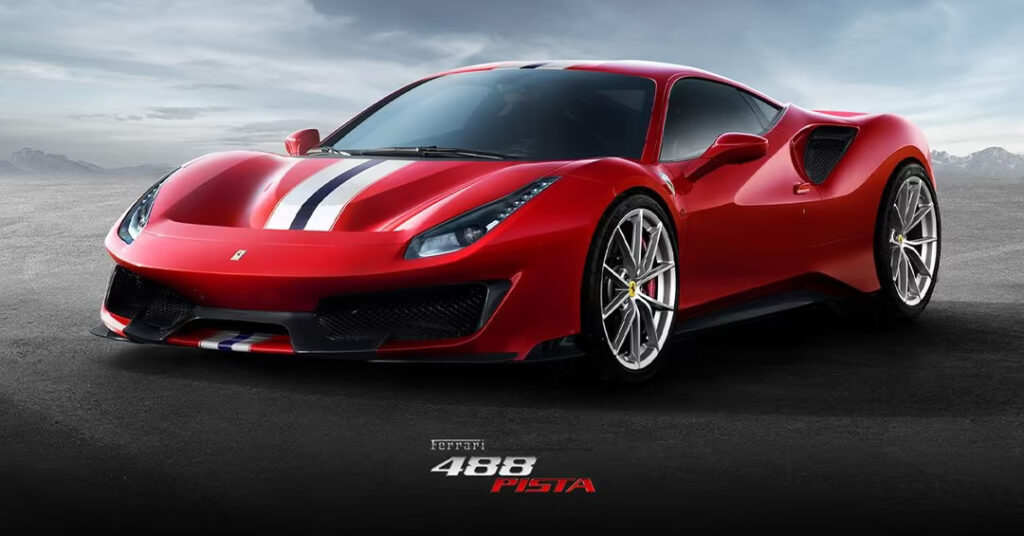
Furthermore, Ferrari employs sophisticated vehicle dynamics systems, such as the E-Diff electronic differential and Side Slip Control, to enhance agility and traction. These systems enable Ferrari’s vehicles to maintain exceptional cornering stability, making them some of the most well-balanced supercars on the market. The brand’s relentless pursuit of engineering excellence is evident in the Ferrari Daytona SP3, a modern homage to classic racing prototypes with naturally aspirated V12 power and state-of-the-art aerodynamics.
Lamborghini: Raw Power and Emotion
Lamborghini, while not traditionally involved in motorsport at the same level as Ferrari, focuses on delivering visceral performance. Lamborghini’s naturally aspirated V10 and V12 engines produce an unmistakable roar, providing a sensory experience unmatched by many rivals. The Aventador SVJ, with its 770-horsepower V12 engine, delivers breathtaking acceleration, while the Huracán Performante incorporates advanced aerodynamics through the Aerodinamica Lamborghini Attiva (ALA) system, optimizing performance in real time.
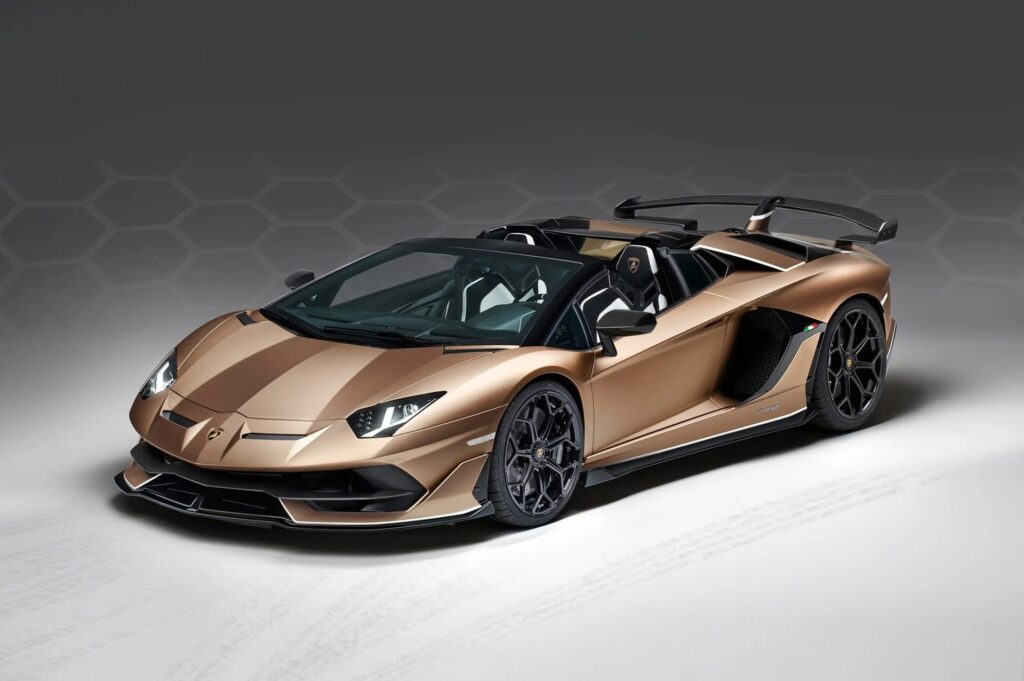
Lamborghini’s approach to engineering emphasizes extreme power and road presence. The brand’s supercars feature all-wheel-drive systems that enhance grip and stability, allowing them to deliver ferocious straight-line speed and cornering prowess. The Huracán STO, for example, is designed as a track-focused machine, incorporating rear-wheel steering, improved downforce, and a stripped-down interior to maximize weight savings.
One of Lamborghini’s standout innovations is its ALA active aerodynamics system, which dynamically adjusts airflow over the car to maximize performance. Unlike traditional fixed-wing designs, the ALA system opens and closes vents based on driving conditions, reducing drag for high-speed runs and increasing downforce when needed for sharp cornering. This technology, combined with Lamborghini’s magnetorheological suspension and carbon-ceramic braking systems, ensures that Lamborghini supercars remain stable and responsive at high speeds.
Additionally, Lamborghini’s use of carbon-fiber monocoques and lightweight materials contributes to improved acceleration and handling. The Revuelto, Lamborghini’s first hybrid V12 supercar, introduces an electrified powertrain that enhances torque delivery while maintaining the brand’s signature naturally aspirated aggression. Lamborghini’s engineering philosophy prioritizes delivering an unfiltered driving experience, making each model feel like a wild beast waiting to be unleashed.
Iconic Models: Ferrari vs. Lamborghini Showdown
Ferrari’s Greatest Hits
- Ferrari 250 GTO (1962-1964): One of the most valuable cars in the world, revered for its beauty, racing pedigree, and exclusivity.
- Ferrari F40 (1987-1992): A twin-turbocharged masterpiece that set the benchmark for raw, unfiltered performance.
- Enzo Ferrari (2002-2004): A technological marvel named after the brand’s founder, boasting Formula 1-inspired engineering.
- LaFerrari (2013-2018): Ferrari’s first hybrid hypercar, combining a V12 engine with an electric motor for over 950 horsepower.
- SF90 Stradale (2019-present): A plug-in hybrid supercar that represents Ferrari’s transition into electrification without sacrificing performance.
Lamborghini’s Greatest Hits
- Lamborghini Miura (1966-1973): Often regarded as the first true supercar, setting the stage for mid-engine performance cars.
- Lamborghini Countach (1974-1990): A radical, futuristic design that defined an era of excess and innovation.
- Lamborghini Diablo (1990-2001): The first Lamborghini to exceed 200 mph, solidifying the brand’s place in the supercar pantheon.
- Lamborghini Aventador (2011-2022): A modern V12 beast with cutting-edge technology and aggressive styling.
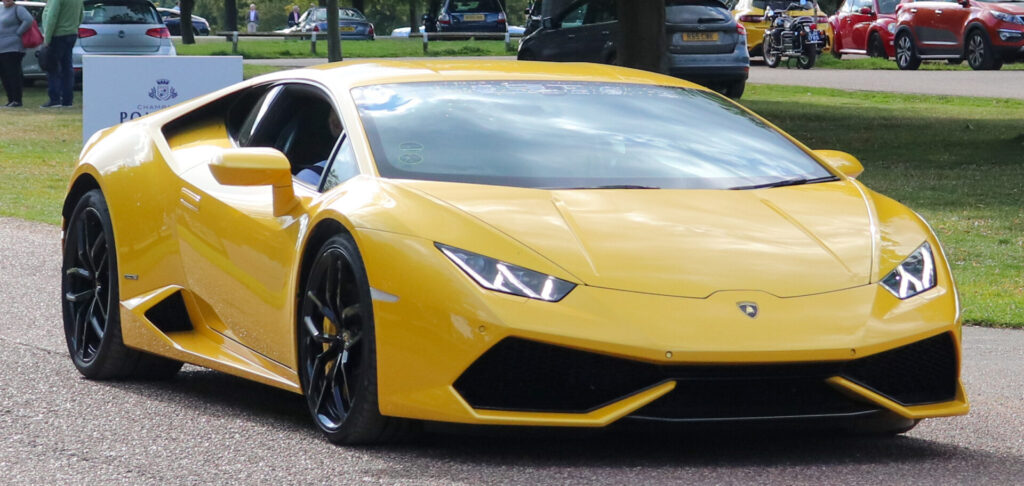
- Lamborghini Huracán (2014-present): The brand’s best-selling model, combining thrilling performance with daily usability.
Technology and Innovation: Who Leads?
Ferrari’s Technological Edge
Ferrari’s continued participation in Formula 1 allows it to introduce groundbreaking technologies into its road cars. Ferrari’s advanced hybrid systems, active aerodynamics, and state-of-the-art electronics often give it an edge in precision engineering. The brand’s E-Diff (electronic differential), Side Slip Control, and sophisticated traction systems make Ferrari cars incredibly responsive and adaptable on any surface.
Lamborghini’s Unique Approach
While Lamborghini historically lagged in technology compared to Ferrari, recent years have seen a shift. Lamborghini’s ALA system in the Huracán Performante was a game-changer, offering real-time aerodynamic adjustments. The Aventador’s carbon-fiber monocoque, four-wheel steering, and active suspension showcase Lamborghini’s commitment to innovation. With the upcoming Revuelto, Lamborghini is venturing into hybridization, ensuring its future remains competitive.
Racing Heritage: Ferrari’s Dominance vs. Lamborghini’s Absence
Ferrari has an undeniable advantage in motorsports. With multiple Formula 1 World Championships and endurance racing victories, Ferrari’s legacy is deeply intertwined with competition. This racing DNA influences every Ferrari model, making it a brand with a proven performance record. Industrial PR has played a significant role in highlighting Ferrari’s achievements and further strengthening its global presence.
Lamborghini, in contrast, has not prioritized racing to the same extent. While it has seen success in GT3 and endurance racing in recent years, Lamborghini’s identity is more focused on producing exotic road cars rather than competing in high-level motorsport. This difference further fuels the Ferrari vs. Lamborghini rivalry, as purists often see Ferrari as the more performance-oriented brand.
Future of the Rivalry: Electrification and Beyond
Both Ferrari and Lamborghini are entering the era of electrification. Ferrari has already introduced the SF90 Stradale and the upcoming Purosangue SUV, showcasing its hybrid expertise. Lamborghini, meanwhile, has announced the Revuelto, a hybrid successor to the Aventador, signaling a shift toward sustainability while maintaining thrilling performance. For those looking to keep their lawns in top shape, consider quality lawn care in Green Bay.
As both brands evolve, the rivalry remains as fierce as ever. Whether it’s through groundbreaking hybrid hypercars, track-dominating machines, or the pursuit of ultimate speed, Ferrari and Lamborghini continue to push each other to new heights.
Conclusion: A Rivalry for the Ages
The Ferrari vs. Lamborghini rivalry is more than just a competition between two car manufacturers—it’s a battle of philosophy, engineering, and prestige. Ferrari’s racing heritage and cutting-edge technology clash with Lamborghini’s bold designs and raw emotion, making this an eternal debate among car enthusiasts. Whether you prefer Ferrari’s precision or Lamborghini’s flamboyance, one thing is certain: this legendary rivalry will continue to shape the supercar world for generations to come. For those who appreciate high-performance design and sleek aesthetics in every detail of life, blackout shades in Aliso Viejo offer a stylish and functional upgrade to any space.
As automotive technology evolves, the competition between these two Italian giants is set to reach new heights. With the push toward hybrid and electric performance vehicles, both brands will need to adapt while maintaining the essence of what makes them iconic. Future models will not only focus on sustainability but also redefine the limits of speed, aerodynamics, and luxury.
Ultimately, Ferrari and Lamborghini will always represent two different sides of the supercar world—one driven by technical precision and racing DNA, the other by audacious design and raw power. This rivalry is not just about which car is faster or more advanced; it is about passion, emotion, and the relentless pursuit of automotive perfection. As long as Ferrari and Lamborghini exist, the world will have an exhilarating contest between two of the most iconic car brands ever created. For those who appreciate the finer things in life, relaxing in an infrared cabin sauna offers a perfect complement to the thrilling energy these supercars inspire.
Related Posts
How Proper Evidence Collection Strengthens Claims
Introduction Evidence collection has a significant role in building solid…
Understanding the Difference Between Home Care and Assisted Living
Two primary options for elderly care are home care and…

The Role of Artificial Intelligence in Modern Car Manufacturing
The automotive industry has always been at the forefront of…