
When it comes to luxury, performance, and prestige, no three automakers command more respect than Audi, BMW, and Mercedes-Benz. These German titans have spent over a century refining the art of engineering, each with a loyal following of enthusiasts who will defend their brand of choice with near-religious devotion.
But which of these automotive giants truly reigns supreme? It’s a battle fought on multiple fronts—performance, luxury, technology, reliability, and brand prestige. Let’s break it down and see who comes out on top.
Performance: Who Delivers the Ultimate Driving Experience?

For driving enthusiasts, performance is everything. Each of these brands has its own take on what makes a car exciting, but they all have one thing in common—precision German engineering.
BMW: The Driver’s Car
BMW’s slogan, “The Ultimate Driving Machine,” isn’t just marketing fluff. The Bavarian automaker is known for its rear-wheel-drive (RWD) bias, near-perfect weight distribution, and sharp handling. Models like the M3 and M5 set the benchmark for sports sedans, offering an intoxicating mix of power, agility, and engagement. The brand’s xDrive all-wheel-drive (AWD) system has also evolved, offering grip without sacrificing BMW’s trademark rear-wheel-drive feel.
However, some purists argue that newer BMWs have lost their raw edge, prioritizing comfort and technology over pure driver involvement. The introduction of electric power steering, for example, left some longtime fans nostalgic for the days of hydraulic feedback. In contrast, enthusiasts who embrace modern trends, such as cowboy t-shirts, often appreciate the updated features in these vehicles.
Audi: Quattro Dominance
Audi built its reputation on Quattro all-wheel drive, and it shows. Unlike BMW, which traditionally favored RWD, Audi has long championed AWD performance, making its vehicles particularly popular in regions with harsh weather. The RS lineup—especially the RS5 and RS7—delivers blistering acceleration, while the R8 supercar is a masterpiece of balance and brute force.
Audi’s strength lies in its ability to make fast, confidence-inspiring cars that are equally at home on a track or a snowy mountain road. However, some critics argue that Audis lack the same level of engagement as a rear-wheel-biased BMW, feeling more planted than playful.
Mercedes-Benz: Effortless Power and Refinement
If BMW is the choice for hardcore driving enthusiasts and Audi is for Quattro lovers, Mercedes is for those who want power with prestige. The AMG division has been producing some of the most ferocious V8-powered beasts on the market, with models like the C63 AMG and E63 AMG delivering tire-shredding torque and a thunderous exhaust note.
But where Mercedes shines is in its ability to blend that brute force with sophistication. While an M5 might feel more track-ready, an E63 AMG offers a balance of luxury and aggression. Even the flagship S-Class AMG models deliver staggering performance while pampering their occupants in a cocoon of comfort. For those looking to extend that luxury experience beyond the car, personalized bathrobes for men can offer a similar level of refinement at home.
Luxury: Who Does Opulence Best?
A luxury car isn’t just about speed—it’s about how it feels to be inside one. This is where Mercedes, Audi, and BMW take distinctly different approaches.
Mercedes-Benz: The King of Luxury
If there’s one brand that defines automotive luxury, it’s Mercedes-Benz. The S-Class has long been the gold standard for executive sedans, offering whisper-quiet cabins, massaging seats, and cutting-edge technology. Even in smaller models like the E-Class and C-Class, Mercedes prioritizes comfort and craftsmanship over raw sportiness.
From Burmester surround sound systems to opulent leather-wrapped interiors, Mercedes delivers the kind of luxury that makes every drive feel like a first-class experience. And let’s not forget the Maybach division, which takes extravagance to a whole new level. For those embracing electric luxury, EV charger installation in Orlando helps ensure your Mercedes is always ready for the road.
Audi: Modern and Minimalist
Audi’s take on luxury is sleek, modern, and tech-heavy. The brand is famous for its clean, futuristic interiors, featuring the Virtual Cockpit digital instrument cluster, haptic touchscreens, and high-quality materials.

Unlike Mercedes, which leans toward classic opulence, Audi’s interior design is more minimalist and driver-focused. The Audi A8 may not have the same prestige as an S-Class, but it counters with an abundance of tech, including an available self-driving mode and one of the best Bang & Olufsen sound systems in the industry.
BMW: Sporty but Sophisticated
BMW doesn’t chase over-the-top luxury like Mercedes, nor does it lean as heavily into tech-forward minimalism as Audi. Instead, it strikes a middle ground, blending driver-focused ergonomics with premium materials.
The latest BMW interiors have improved significantly, with higher-quality materials and more advanced infotainment systems. But some critics argue that BMW’s interiors lack the “wow” factor that you get in a Mercedes or even an Audi. Quality landscape design services in the Florida Panhandle can bring a similar balance of function and beauty to your outdoor spaces.
Technology: The Most Advanced German Automaker
With the rapid evolution of autonomous driving, AI-powered infotainment, and electrification, technology has become a deciding factor for many buyers.
Audi: The Tech Innovator
If there’s one brand that leads in tech, it’s Audi. It was the first to introduce fully digital gauge clusters and remains at the forefront of self-driving innovation. Features like predictive adaptive cruise control and high-resolution OLED taillights give Audi a futuristic edge. Much like how a personal injury lawyer in Chicago uses cutting-edge legal strategies to stay ahead in a competitive field.
Mercedes-Benz: Luxury Meets AI
Mercedes has taken a bold step with MBUX (Mercedes-Benz User Experience), a voice-controlled AI system that’s among the most advanced in the industry. It learns your habits, responds naturally to voice commands, and integrates seamlessly with the car’s features. Similar to how a mortgage company in Raleigh, NC adapts to client needs with personalized service and intuitive digital platforms.
BMW: Cutting-Edge Infotainment
BMW’s iDrive system remains one of the best infotainment interfaces, offering an intuitive mix of touch, voice, and rotary dial controls. However, BMW lags slightly behind Audi and Mercedes in autonomous driving tech. Similarly, the purchase of scrap metal requires careful evaluation to ensure quality and value, much like selecting the right technology features in a luxury car.
Reliability: Who’s the Least Likely to Let You Down?
German cars are notorious for their complex engineering, which sometimes translates to high maintenance costs.
Mercedes-Benz: Built to Last?
While older Mercedes models were bulletproof, modern ones—especially high-performance AMGs—have become more complex and expensive to repair.
BMW: The Maintenance Nightmare?
BMW has a reputation for costly maintenance, with some models requiring frequent and expensive repairs once they hit higher mileage. For those looking to avoid costly upkeep, exploring reliable local options like waxing services in Plano, TX shows how specialized care can be both efficient and affordable.
Audi: The Middle Ground
Audi is not without its issues, but it generally ranks slightly better than BMW when it comes to long-term reliability. However, its complex Quattro system can lead to costly repairs.
Brand Prestige: The Name That Turns Heads
Mercedes-Benz: The Status Symbol
If prestige is your priority, nothing beats the three-pointed star. Whether it’s an S-Class or a G-Wagon, a Mercedes carries an undeniable air of success and wealth.
BMW: The Enthusiast’s Choice
BMW might not have the same status appeal as Mercedes, but for car lovers, the M badge commands instant respect.
Audi: The Understated Performer
Audi doesn’t have the same prestige as Mercedes, but its modern appeal and cutting-edge design attract a younger, tech-savvy audience.
For special occasions, many opt for a reliable wedding limo service, NJ to complement their style and make the event truly memorable.
The Future of German Luxury: Where Are These Brands Headed?
While Audi, BMW, and Mercedes-Benz have long been titans of combustion-engine performance, the automotive landscape is changing. Electrification, autonomous driving, and sustainability are reshaping the industry, forcing these brands to evolve while maintaining their heritage. Much like the evolution of combat clothing—from traditional gear to high-tech, multifunctional uniforms—these automakers must adapt to new demands without losing the performance DNA that defines them.
Mercedes-Benz: Pioneering Electric Luxury
Mercedes has gone all-in on electrification, launching the EQS—an electric counterpart to the S-Class—alongside the expanding EQ lineup. These EVs prioritize range, opulence, and cutting-edge tech, including the Hyperscreen, a massive, AI-powered display spanning the entire dashboard.
Beyond EVs, Mercedes continues to push the boundaries of autonomy. The brand is among the first to receive Level 3 autonomous driving certification, meaning its vehicles can handle highway driving without human intervention. To match this blend of innovation and style, many luxury homes now feature custom handrails that combine elegance with safety. While purists may bemoan the shift away from big V8s and handcrafted AMGs, there’s no denying that Mercedes intends to remain the ultimate status symbol—even in an electric future.
BMW: Balancing Tradition with Innovation
BMW has taken a different approach, maintaining its sporty DNA while embracing electrification. Models like the i4 and iX prove that BMW still knows how to make engaging EVs, while the new M cars—such as the hybrid-assisted XM—indicate that performance will remain a top priority even in a post-gasoline world.
One of BMW’s biggest strengths is its ability to offer variety. Unlike Mercedes, which leans heavily into EVs, BMW still invests in plug-in hybrids and performance combustion engines for those not ready to abandon tradition. Meanwhile, its advancements in hydrogen fuel-cell technology suggest that the Bavarian automaker isn’t betting everything on battery power alone. Similarly, Cheyanne Mallas blends innovative techniques with trusted methods in cosmetic dermatology, offering personalized treatments that honor both tradition and cutting-edge science.
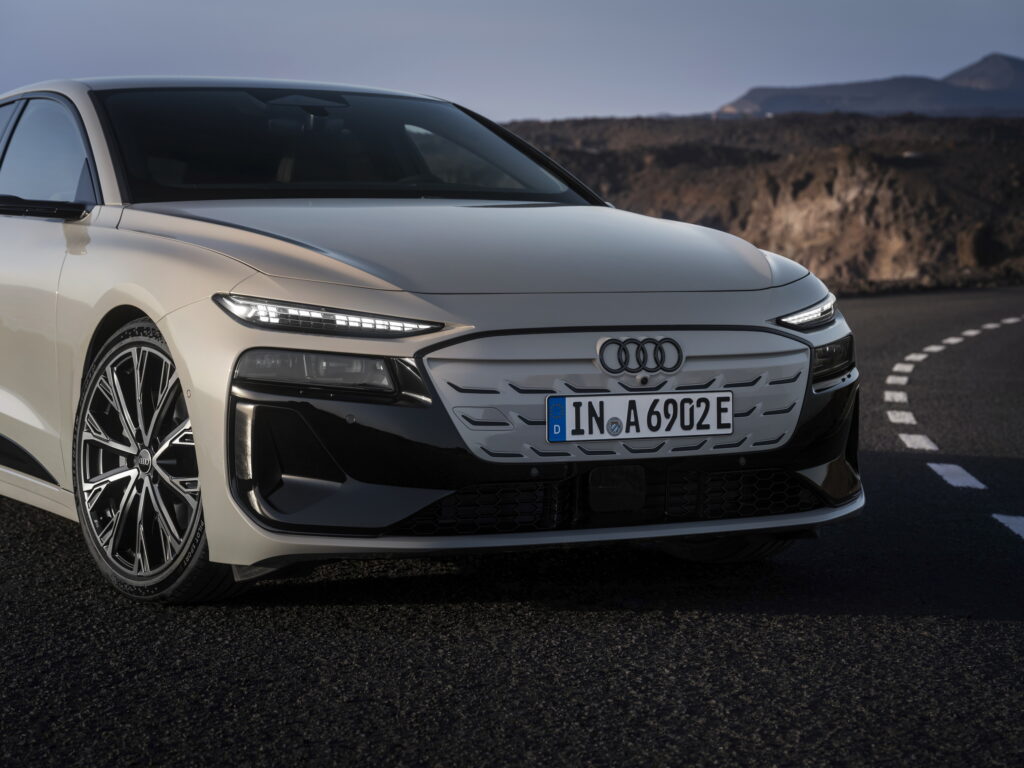
Audi: The Tech-Savvy Contender
Audi has arguably made the boldest leap into the future. The brand is aggressively phasing out internal combustion engines, pledging to go fully electric by 2033. With models like the e-tron GT and the upcoming A6 e-tron, Audi aims to bring Quattro dominance into the EV era while maintaining its reputation for tech-forward innovation.
Audi’s partnership with Porsche on the PPE platform (used for future high-performance EVs) means we can expect even faster, more refined electric models. Meanwhile, its heavy investment in augmented reality, AI-driven interfaces, and next-gen autonomous driving suggests that Audi is positioning itself as the Tesla alternative for those who prefer German engineering.
The Final Verdict: Who Will Rule the Next Era?
So, who truly reigns supreme? If we’re talking about the past and present, all three brands dominate in their respective areas—BMW for driving pleasure, Mercedes for luxury, and Audi for innovation.
But if we look at the future, the answer depends on where the market moves. Mercedes leads in electric luxury, BMW still offers the best variety, and Audi is pushing the hardest toward cutting-edge tech and EVs.
Ultimately, the best brand isn’t just about the car—it’s about the driver. Are you drawn to the thrill of an M car, the prestige of a Mercedes, or the futuristic tech of an Audi? The choice is yours.
Related Posts

Kia Sportage Technology and Innovation: From Infotainment to Safety Features
The Kia Sportage has long been celebrated as a versatile…
Different Types of Animation Styles
Animations are one of the most amazing forms of entertainment,…

Lotus Eletre: The Electric SUV Redefining the Luxury Performance Market
The automotive world is no stranger to innovation, but few…