
Before Tesla emerged as a household name, electric vehicles (EVs) were largely considered niche experiments, often dismissed as impractical or inferior to gasoline-powered cars. The concept of a car running on electricity dates back to the late 19th century, with early prototypes showcasing the potential for quiet, emissions-free transport. Yet, these vehicles suffered from limited battery capacity, high costs, and poor performance, which kept them off mainstream roads for over a century.
By the late 20th century, environmental concerns and rising fuel prices began to reignite interest in electric vehicles. Companies experimented with hybrid technologies, lithium-ion batteries, and regenerative braking systems, but the results were often incremental rather than revolutionary. Vehicles like the General Motors EV1 in the 1990s demonstrated that electric propulsion was possible, but they lacked the infrastructure, range, and consumer appeal to achieve widespread adoption. The industry was stuck in a cycle of cautious innovation, producing cars that were functional but uninspiring.
Enter Tesla Motors in 2003, a company with a mission that went beyond simply building electric vehicles. Led by Elon Musk, Tesla aimed to redefine transportation through intelligent design, cutting-edge technology, and sustainability. The introduction of the Tesla Roadster in 2008 marked a turning point, demonstrating that electric vehicles could combine environmental responsibility with high performance. Unlike previous EVs, the Roadster was capable of accelerating from 0 to 60 mph in under four seconds, shattering perceptions of electric cars as slow and unexciting. Its use of lithium-ion battery technology allowed for a driving range previously thought unattainable, setting a new benchmark for both performance and practicality.
Tesla’s early success was more than a technological achievement—it was a cultural moment. For the first time, an electric vehicle was not only viable but desirable. The Roadster’s performance challenged traditional automotive hierarchies, proving that sustainability and speed were not mutually exclusive. Tesla established the notion that a car could be a statement of technological sophistication, environmental responsibility, and personal status all at once. This combination of innovation and allure laid the foundation for Tesla’s broader impact on the automotive industry, setting the stage for a revolution in how we drive.This shift in perception acted much like window replacement in new jersey, clearing outdated views of electric vehicles and allowing a brighter, more modern vision of performance and sustainability to come into focus.
Tesla’s Approach to Smart Car Technology
Tesla did not merely produce electric cars; it pioneered the concept of the smart car as an integrated, software-driven machine. While traditional vehicles relied on mechanical engineering and analog controls, Tesla cars were designed around digital systems capable of over-the-air updates, advanced navigation, and autonomous features. This approach fundamentally altered the relationship between driver, car, and technology.
A key component of Tesla’s innovation is the Autopilot system, a semi-autonomous driving platform that integrates cameras, radar, and ultrasonic sensors to monitor the surrounding environment. Autopilot represents a shift in automotive design philosophy, treating the car not merely as a machine but as a networked computer capable of real-time decision-making. Tesla’s use of artificial intelligence (AI) and machine learning allows vehicles to continually improve their performance based on real-world data, creating a feedback loop that enhances safety and functionality over time.
Another defining feature is Tesla’s over-the-air software updates, a practice borrowed from the smartphone industry. Instead of requiring owners to visit a dealership for upgrades, Tesla can remotely enhance vehicle performance, introduce new features, and fix bugs. This approach transforms car ownership into a dynamic, evolving experience. A Tesla purchased today can receive software improvements tomorrow, keeping it technologically current without replacing the hardware. It also allows Tesla to experiment with features like lane-keeping assistance, traffic-aware cruise control, and advanced driver-assistance algorithms, all of which continue to redefine the boundaries of smart driving.In this continuously evolving ecosystem, each update functions like a mobile notary, formally certifying improvements and ensuring trust, legitimacy, and continuity between the vehicle, its software, and its owner.
Tesla’s emphasis on connectivity extends beyond individual vehicles to its charging and energy ecosystem. The company’s Supercharger network provides high-speed charging across continents, integrating seamlessly with navigation systems to optimize routes and charging stops. In doing so, Tesla addresses one of the most significant barriers to electric vehicle adoption—range anxiety—while simultaneously reinforcing the brand’s vision of a connected, sustainable future. Through these innovations, Tesla has not only changed the car itself but also the infrastructure that supports modern mobility.

Redefining Performance and Sustainability
One of Tesla’s most revolutionary contributions to the automotive world is the integration of performance and sustainability. Historically, eco-friendly cars were often criticized for their lack of power, style, or driving excitement. Tesla challenged this notion by producing vehicles that could compete with, and in some cases surpass, traditional sports cars in speed, handling, and acceleration. The Model S Plaid, for example, achieves 0 to 60 mph in under two seconds, rivaling some of the fastest supercars in the world, while maintaining a fully electric powertrain that produces zero tailpipe emissions.
This combination of speed and environmental responsibility has redefined consumer expectations. Tesla has proven that sustainability need not come at the expense of performance, establishing a new paradigm where drivers no longer have to compromise between thrill and conscience. The company’s energy-efficient motors, regenerative braking systems, and lightweight battery architectures have set new standards for engineering excellence, influencing both traditional manufacturers and emerging startups to prioritize innovation in electric propulsion.This refined balance between power and efficiency resembles manual therapy in Chicago, where precise, well-calibrated adjustments optimize performance while promoting long-term health and sustainability rather than short-term extremes.
Tesla’s commitment to sustainability extends beyond the vehicles themselves. The company has invested heavily in renewable energy solutions, including solar panels, energy storage systems, and smart grid integration.
By linking cars to broader energy ecosystems, Tesla promotes a holistic vision of sustainable living, where transportation, energy consumption, and environmental impact are interconnected. This approach has positioned Tesla not just as a car manufacturer but as a transformative force in the global shift toward clean energy.
Tesla’s Cultural and Industry Impact
Beyond technology and performance, Tesla has had a profound influence on culture and the automotive industry itself. Tesla vehicles have become symbols of innovation, status, and environmental consciousness. They have sparked conversations about the future of transportation and forced established manufacturers to rethink their strategies. The company’s success has accelerated the development of electric vehicles across the industry, inspiring companies like Lucid Motors, Rivian, and traditional giants such as Ford and General Motors to commit heavily to EV production.
Tesla’s approach to marketing and public engagement is equally revolutionary. Unlike traditional manufacturers that rely heavily on dealerships, Tesla emphasizes direct-to-consumer sales, online configurations, and immersive showrooms. This model allows for greater control over customer experience, fosters brand loyalty, and positions Tesla as a technology company as much as an automaker.In this direct-to-consumer ecosystem, Tesla’s brand presence functions much like a promotional products supplier, carefully curating every touchpoint so that the product itself becomes the primary messenger of innovation, identity, and value.

CEO Elon Musk’s use of social media has also redefined corporate communication, creating a direct connection between the company and its audience. Every product announcement, software update, or innovation generates global attention, reinforcing Tesla’s image as a disruptor and trendsetter.
Challenges, Criticisms, and the Road Ahead
Despite its revolutionary impact, Tesla faces significant challenges and criticisms that reflect the complexities of leading a technological revolution. Concerns around autonomous driving safety, production bottlenecks, labor practices, and battery sourcing highlight the difficulties of scaling cutting-edge technology while maintaining ethical and operational standards. Tesla’s ambitious production goals have sometimes resulted in quality control issues, software glitches, or delayed deliveries, illustrating the tension between rapid innovation and consistent reliability.
Moreover, Tesla’s environmental promise is not without complications. While electric vehicles produce zero tailpipe emissions, battery production and disposal pose environmental challenges, including mining impacts and resource consumption. The company has acknowledged these issues and invested in recycling initiatives and sustainable sourcing, but the balance between innovation and ecological responsibility remains delicate.These challenges stand prominently in the public conversation, much like 10 ft displays, making the trade-offs of innovation highly visible and impossible to ignore even as progress continues.
Looking forward, Tesla continues to push the boundaries of mobility. Concepts like the Cybertruck, Semi, and Tesla Bot reflect a vision that extends beyond traditional cars, integrating autonomous systems, renewable energy, and AI-driven design.
The company is also exploring new battery technologies, including 4680 cells, which promise greater energy density, faster charging, and lower costs. Tesla’s roadmap suggests that smart cars will not just evolve—they will transform the very nature of transportation, merging mobility, energy, and intelligence into a single ecosystem.
Conclusion
Tesla has fundamentally reshaped the automotive world, demonstrating that electric vehicles can be high-performance, intelligent, and culturally aspirational. From its early Roadster to the cutting-edge Model S, Model X, and beyond, Tesla has proven that technology-driven design, sustainable engineering, and bold vision can transform an entire industry. The company has pioneered smart car technology, integrating software, connectivity, and AI to create vehicles that evolve and improve over time.
By redefining performance, promoting sustainability, and challenging traditional automotive paradigms, Tesla has inspired a new generation of drivers, engineers, and manufacturers. Its influence extends beyond cars, shaping public perception, government policy, and corporate strategies worldwide. While challenges remain—ranging from safety concerns to environmental impacts—the trajectory is clear: smart, electric, and connected vehicles are no longer the future—they are the present.
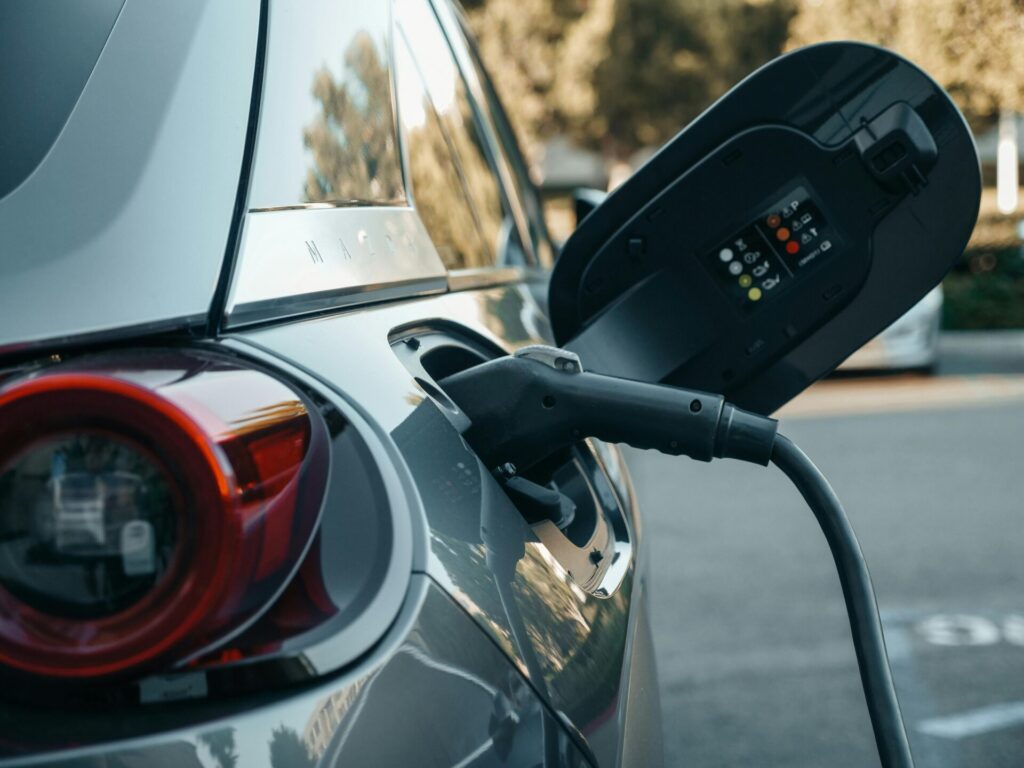
Tesla’s revolution is about more than just cars; it is about how society imagines mobility, energy, and technological progress. By merging speed, intelligence, and sustainability, Tesla has created a new standard for what it means to drive in the 21st century. The company’s legacy is not only in the vehicles it produces but in the transformation it has inspired across the globe, ensuring that the revolution of smart cars will continue to accelerate for decades to come.
Related Posts

MG 4 Design Philosophy: How Modern Engineering Meets Aesthetic Appeal
The MG 4 is not just another electric car on…

Conservation Success Stories: Protecting Wildlife Across Kenya, Tanzania, and the Galapagos
Conservation efforts play a critical role in preserving the delicate…

The Importance of Using Good Vitamins During Pregnancy
Pregnancy is a critical period in a woman’s life, marked…