
Street car racing, often romanticized as a rebellious and exhilarating pursuit, has deep cultural roots that stretch back nearly a century. What began as informal contests among car enthusiasts seeking to test their machines and skills against one another on public roads has evolved into a global phenomenon, transcending geographic, economic, and social boundaries. The origins of street racing can be traced to various regions independently, but a common thread remains: a passion for speed, customization, and adrenaline-fueled competition.
In the early 20th century, as automobiles became more accessible, communities in urban and rural areas alike began organizing informal races. These events, initially unsanctioned and spontaneous, were expressions of freedom and individuality, often taking place on desolate stretches of road or during festivals. The culture was less about formalized competition and more about proving one’s driving prowess and mechanical ingenuity.
Over time, specific car cultures began to develop distinctive identities. In Japan, for example, street racing emerged from the post-war period as a blend of technological innovation and youthful defiance. The famous touge (mountain pass) races combined technical driving skills with powerful cars modified for agility and speed. This culture was romanticized in media and cinema, eventually influencing enthusiasts worldwide.
In the United States, the street racing scene was heavily influenced by the muscle car era of the 1960s and 1970s. The pursuit of raw horsepower and straight-line speed became emblematic of American car culture. Parallel to this, the import tuner scene blossomed in the 1990s, inspired by Japanese imports like the Nissan Skyline and Honda Civic, further expanding the diversity of the street racing community.
Europe developed its own niche, blending performance engineering with style, where cities like London, Paris, and Berlin saw underground racing scenes that thrived despite legal crackdowns. The multicultural nature of these urban environments infused street racing with varied influences, creating a melting pot of speed enthusiasts.
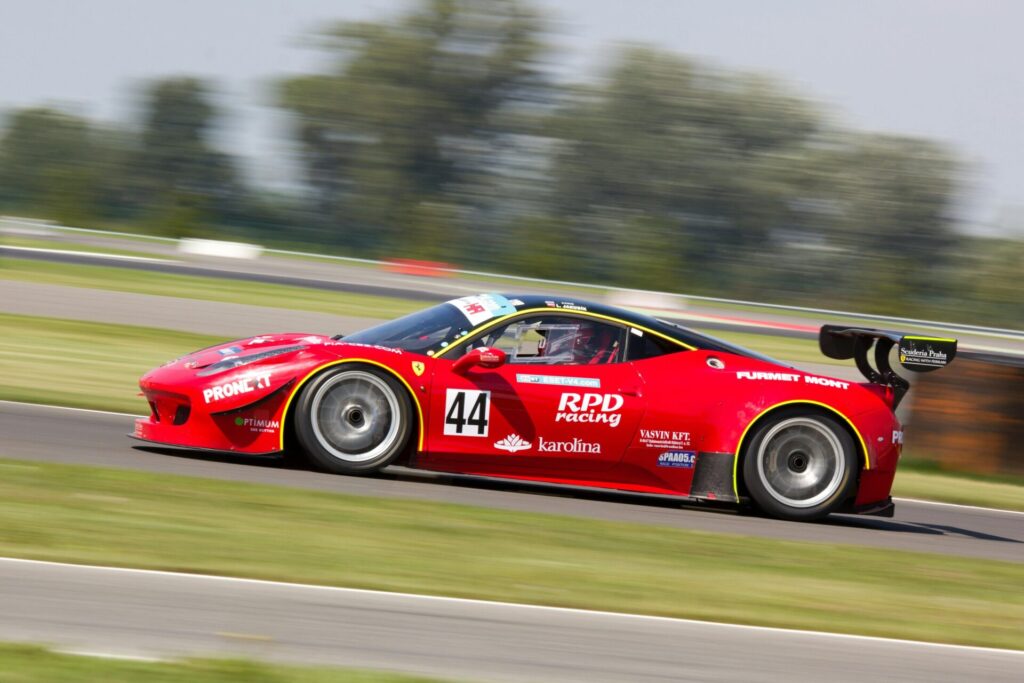
What unites these disparate origins is a shared language—a language of speed, risk, and mechanical mastery—that transcends borders and speaks directly to the human desire for thrill and self-expression. The evolution from local underground events to a global culture illustrates how street car racing became a universal language of speed. This dynamic scene has also attracted attention from commercial photography, capturing the adrenaline and artistry of the culture.
The Role of Media and Technology in Globalizing Street Racing Culture
The globalization of street car racing culture owes much to the advancements in media and technology. From the late 20th century onwards, the proliferation of films, television shows, video games, and online platforms turned what was once a localized subculture into an international phenomenon. Media played a crucial role in romanticizing street racing, showcasing its excitement and aesthetics to audiences worldwide.
Iconic films such as The Fast and the Furious franchise brought street racing into mainstream consciousness, blending high-octane action with narratives centered on loyalty, rivalry, and innovation. These movies, while dramatized, captured the essence of street racing culture—customized cars, intense competition, and underground camaraderie. Fans of the culture often embrace unique personalization, from custom cars to even a custom harmonica as a signature accessory. As the franchise gained global popularity, it inspired a surge of interest and participation in street racing communities far beyond its original epicenters.
Video games like Need for Speed and Gran Turismo provided interactive experiences that allowed players to simulate the thrill of street racing from their own homes. These games not only introduced car models and tuning mechanics but also emphasized the stylistic and technical elements of racing culture. For many, these games served as gateways into real-life car communities, sparking a new generation of enthusiasts worldwide.
The internet revolutionized how street racing culture spread and evolved. Online forums, social media, and video-sharing platforms enabled racers to exchange information on car modifications, racing techniques, and events. Platforms like YouTube became essential for sharing street racing footage, tutorials, and lifestyle content, helping to normalize and celebrate the culture on a global scale. Through digital connectivity, communities that were once isolated geographically began collaborating, influencing one another’s styles and practices.
Moreover, technological advancements in car tuning and manufacturing became accessible to a wider audience. Affordable performance parts, DIY modification guides, and specialized tools democratized the ability to customize cars. This technological diffusion meant that aspiring racers in diverse countries could build competitive vehicles without prohibitive costs or barriers.
The convergence of media exposure and technological accessibility transformed street car racing from scattered local scenes into a vibrant global culture—a shared language of speed spoken through cars, stories, and digital connections.
The Social Dynamics and Identity Formation within Street Racing Communities
Street car racing is not merely about speed; it is deeply rooted in social dynamics and identity formation. The community aspect of street racing is central to its endurance and appeal, as participants find camaraderie, status, and self-expression within these groups. The culture fosters a strong sense of belonging that is often absent in mainstream society. Just as a spice-filling machine precisely delivers its contents, street racing communities carefully balance tradition, skill, and trust to maintain their unique culture.
Within street racing communities, cars serve as extensions of identity. The choice of vehicle, modifications, and driving style all communicate personal values and social standing. Customization is a language through which racers express creativity, technical skill, and affiliation with particular subcultures. For example, the Japanese-inspired tuner scene emphasizes precision and aesthetics, while muscle car enthusiasts highlight raw power and tradition.
Social hierarchies often form based on reputation, driving skill, car performance, and contribution to the community. These hierarchies influence access to information, invitations to races, and respect among peers. Participation in street racing provides individuals with opportunities to build confidence and assert themselves within their social circles.
The underground nature of street racing fosters a shared sense of risk and defiance, which strengthens group bonds. Participants often operate outside legal frameworks, navigating tensions between excitement and caution. For those looking to get into the scene, some local shops even advertise that we buy trucks to help racers upgrade their vehicles. This shared experience of danger and rebellion creates a unique social fabric where trust and loyalty are paramount.
Additionally, street racing communities are notable for their inclusivity despite their often risky and illicit activities. People from diverse backgrounds, ages, and socioeconomic statuses come together under a common passion. This inclusiveness further contributes to the cultural richness and global reach of street racing.
The social dynamics within these communities also reflect broader cultural values and shifts. For instance, the increasing presence of women in street racing challenges traditional gender norms and expands the culture’s diversity. Cross-cultural exchanges between different national scenes foster innovation and mutual respect.
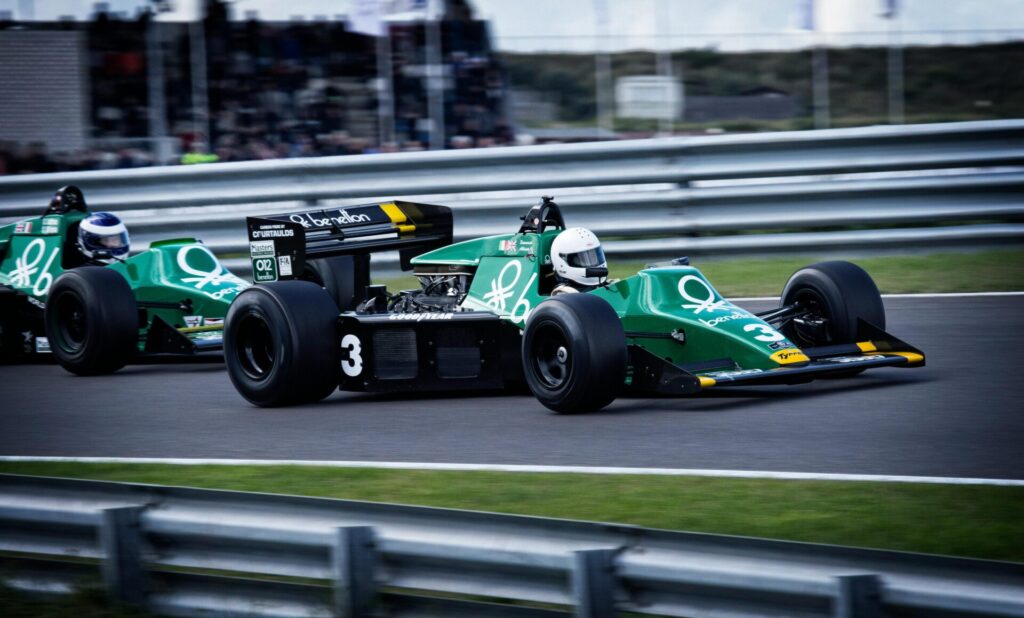
Ultimately, street racing communities are vibrant social ecosystems where identity, status, and solidarity are negotiated through the shared pursuit of speed and mechanical mastery.
The Impact of Legal and Safety Challenges on the Evolution of Street Racing
Despite its appeal and cultural significance, street car racing has always faced substantial legal and safety challenges. Racing on public roads poses significant risks to participants, bystanders, and property, leading to widespread condemnation by authorities. This tension between passion and regulation has profoundly shaped the evolution of street racing as a global phenomenon. For enthusiasts balancing high-adrenaline hobbies with personal well-being, options like online integrative psychiatric care can provide support in managing stress and risk-taking behaviors.
Law enforcement agencies across the world have implemented various strategies to combat illegal street racing, including increased patrols, traffic checkpoints, and harsh penalties for offenders. These measures often push racing activities further underground, making events more secretive and sometimes more dangerous. However, crackdowns have also spurred the emergence of more organized and safer racing alternatives.
One notable response has been the rise of sanctioned street racing events and legalized drag strips that offer controlled environments for racers to compete. These venues provide safer conditions, professional oversight, and the opportunity for racers to gain recognition and sponsorship. In many countries, legitimate racing circuits have embraced elements of street racing culture, creating hybrid spaces where the adrenaline and customization of street racing meet professional standards.
Technological innovations have also contributed to safety improvements. Advances in car engineering, braking systems, and safety gear have enhanced driver protection. Additionally, mobile apps and social media groups are sometimes used by communities to organize races with greater attention to safety and timing, avoiding peak traffic hours and sensitive locations. Some enthusiasts have also explored medical solutions, like scalp micropigmentation for scars in Raleigh, to safely address injuries sustained in past racing incidents.
Despite these improvements, the inherent risks of illegal street racing remain a significant concern. Accidents involving high speeds can have tragic consequences, leading to public backlash and stricter regulations. The challenge lies in balancing the cultural value and personal freedom expressed through street racing with public safety imperatives.
Conclusion: Street Car Racing as a Global Language of Speed and Identity
Street car racing’s transformation from scattered local contests to a worldwide cultural phenomenon exemplifies how a shared passion can transcend boundaries and create a universal language. Rooted in the human fascination with speed and mechanical mastery, street racing speaks to fundamental desires for freedom, identity, and community.
Through the evolution of media and technology, street racing culture has become interconnected across continents, enabling enthusiasts to share knowledge, styles, and stories in a dynamic global conversation. The social fabric woven through racing communities reflects diverse identities and shared values, making the culture inclusive and enduring.
While legal and safety challenges persist, they have also driven innovation and adaptation within the scene, pushing street racing toward safer and more structured expressions without losing its rebellious spirit.
Ultimately, street car racing is far more than an illegal activity or niche hobby—it is a global language of speed, identity, and social connection that continues to evolve and inspire millions around the world. Its story is one of passion and perseverance, an ongoing race where culture and speed merge into a powerful human experience.
Related Posts
Real Madrid: David Alaba se sumaría a la lista de contagiados por coronavirus
David Alaba se ausentó del entrenamiento de Real Madrid de…
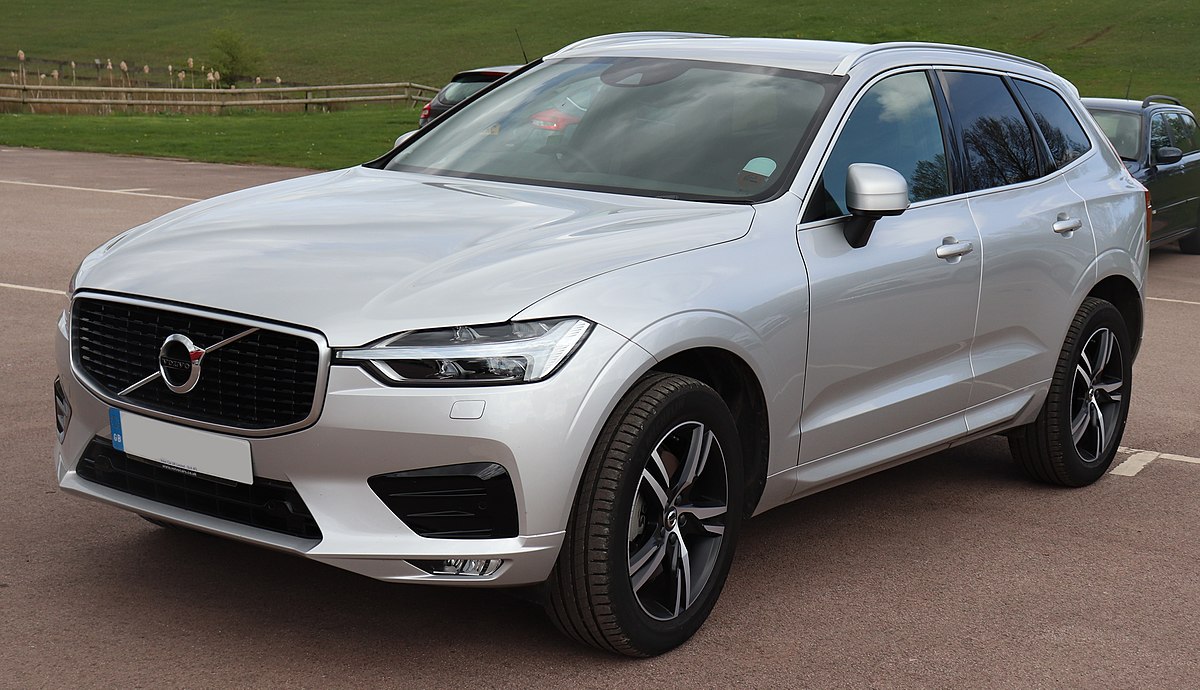
Safety Redefined: Volvo’s Legacy and Innovations in Automobile Safety
In the fast-paced world of automotive engineering, one company has…

Canned Seafood: Pros and Cons
Canned seafood has become a staple in many households around…