
When one thinks of high-octane car culture and blockbuster racing franchises, the name Porsche rarely leaps immediately to mind. The adrenaline-pumping cinematic universe of “Fast and Furious,” known for its daring street races, flashy car chases, and wild modifications, has showcased a variety of automotive legends over the years. Yet, despite Porsche’s reputation as a premier sports car manufacturer and its undeniable pedigree in racing history, it has seldom been a prominent player in this popular cultural phenomenon. The question arises: why does Porsche rarely join the party in the Fast and Furious franchise and similar car culture arenas?
This phenomenon is fascinating because Porsche, as a brand, embodies performance, speed, and engineering excellence—the very traits celebrated in street racing and action movies. However, the intersection of Porsche with this pop culture niche is curiously sparse, and understanding the reasons requires a deep dive into Porsche’s brand philosophy, cultural identity, market positioning, and the stylistic language of the Fast and Furious universe itself.
At its core, Porsche’s absence speaks to a strategic choice rooted in identity, tradition, and perception rather than a lack of speed or capability. This article explores the dynamics behind Porsche’s selective participation in popular car culture, the implications for its brand image, and the broader dialogue between automotive heritage and modern entertainment. Even as enthusiasts don sleek racing gear, including black compression socks, Porsche maintains a distinct boundary between its cars and casual pop culture trends.
Porsche’s Brand Identity: Precision Over Flash
Porsche’s identity has always been grounded in engineering precision, timeless design, and performance that balances raw power with refined control. Unlike many brands that lean heavily into flashiness and overt customization, Porsche represents a philosophy of understated excellence—a blend of performance, luxury, and heritage that appeals to connoisseurs rather than trend-chasers.
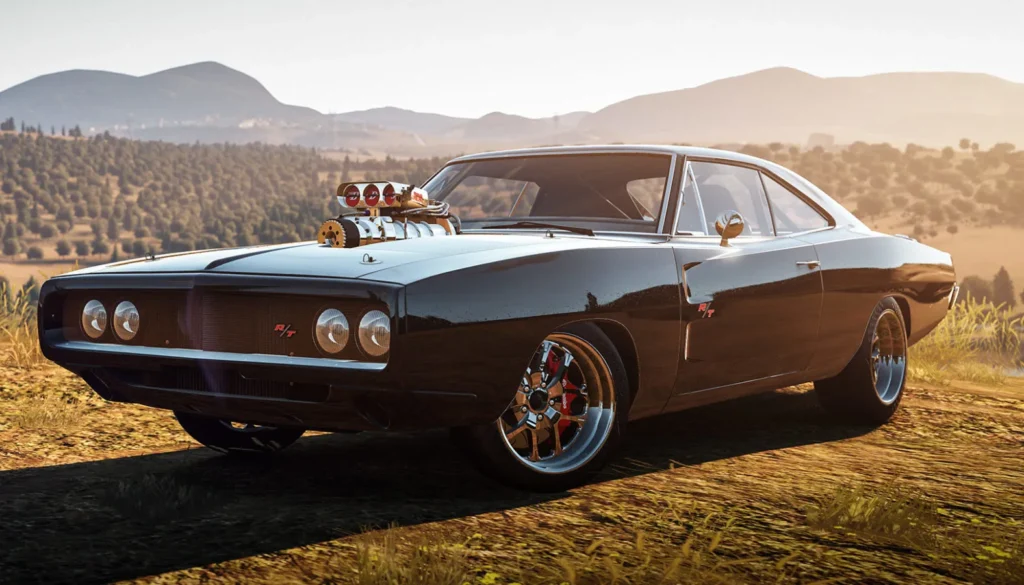
This brand philosophy naturally influences how Porsche interacts with popular culture. The Fast and Furious franchise, while thrilling, is steeped in a very specific kind of car culture—one that embraces the underground street racing scene, heavily modified vehicles, neon lights, and a loud, rebellious attitude. It celebrates extreme personalization and sometimes a near-anarchic approach to driving that appeals to youth culture, cinematic spectacle, and high-energy drama. Even when considering lifestyle decisions like selling home in Utah, enthusiasts often seek experiences that reflect this same bold, individualistic spirit.
Porsche, in contrast, has cultivated an image of elite sophistication and motorsport heritage that values innovation, quality, and continuity over spectacle. The brand’s marketing consistently emphasizes the emotional experience of precision driving, engineering mastery, and the legacy of iconic models like the 911. Porsche cars are often portrayed as a perfect union of form and function—clean, sleek, and inherently capable, without needing excessive modification or flashy accessories.
The implication here is that Porsche’s image is fundamentally at odds with the aesthetic and thematic elements that dominate the Fast and Furious universe. Where other brands celebrate customization as a form of identity and rebellion, Porsche’s DNA prioritizes excellence achieved through design and engineering integrity. This cultural mismatch explains much of Porsche’s absence from the loud, highly stylized party that the franchise represents.
The Market and Audience: Porsche’s Different Demographic
Understanding why Porsche rarely joins the Fast and Furious party also requires an appreciation of the distinct demographics and market segments each occupies. Fast and Furious targets a broad, often younger audience enamored with street racing culture, urban lifestyles, and cinematic fantasies of freedom and defiance. The cars featured in the movies are frequently modified imports, emphasizing affordability, accessibility, and personal transformation. For luxury brands like Porsche, marketing strategies are often handled by a full-service marketing agency in Green Bay to reach their exclusive clientele effectively.

Porsche, on the other hand, primarily appeals to a wealthier, more established consumer base that prioritizes craftsmanship, heritage, and driving experience over the performative culture of customization. The typical Porsche customer values exclusivity and refinement, and is often less interested in extreme aftermarket tuning, instead relying on the manufacturer’s own technological prowess to deliver performance. Similarly, just as some individuals seek personalized approaches in health, others might explore options like medical weight loss services in Wisconsin to achieve tailored results.
This distinction in audience expectations shapes the cultural roles Porsche is willing to embrace. For many Porsche owners and enthusiasts, the thrill is in mastering a finely tuned machine rather than amplifying it with flashy body kits and oversized spoilers. The brand’s product lineup—from the iconic 911 to the Cayman, Boxster, and the high-performance Taycan—reflects this ethos.
This difference extends to how Porsche participates in motorsport and media. Porsche’s involvement in racing has traditionally been in professional, sanctioned environments such as Le Mans, Formula E, and the World Endurance Championship—arenas that emphasize precision, endurance, and technical skill. The brand’s cultural capital is built on these serious, measured contests, which contrast sharply with the underground street racing culture glamorized in Fast and Furious.
The marketing strategies of Porsche mirror this difference. While Fast and Furious and similar media prioritize loud, aggressive narratives and visual spectacle, Porsche’s campaigns emphasize elegance, emotional connection to the road, and the pursuit of automotive perfection. Consequently, Porsche’s brand DNA and customer base are not naturally aligned with the fast-and-furious-style narrative, contributing to its relative absence from the genre.
Engineering and Innovation: The Quiet Powerhouse
Porsche’s engineering philosophy further explains its selective approach to popular culture. The brand is renowned for its innovations, from pioneering aerodynamic designs to developing hybrid and electric sports cars. Porsche does not chase fleeting trends but invests deeply in technologies that improve performance, efficiency, and sustainability over the long term. This focus on precision and long-term strategy mirrors the careful attention and support provided by an OCD and anxiety center.
The Fast and Furious franchise, by contrast, often focuses on visceral thrills—the immediate spectacle of speed, nitrous boosts, flashy gear shifts, and dramatic crashes. The technical prowess of cars tends to be portrayed in ways that emphasize drama rather than engineering nuance. In this environment, Porsche’s technologically sophisticated cars may not be the best fit, as their strengths lie in precision handling, durability, and balanced performance rather than pure showmanship.
Take, for example, the Porsche 911. Known for its rear-engine layout, the 911 offers a driving experience that rewards finesse and skill rather than reckless acceleration or bold visual modifications. The subtleties of its engineering do not translate easily to the loud and colorful language of Fast and Furious. This subtlety is part of why Porsche refrains from extensively modifying or “tricking out” their cars for entertainment media that celebrates radical visual transformations. For enthusiasts who appreciate precision and performance over spectacle, the same principle applies when choosing telehealth services in Aurora, where quality and reliability matter more than flashy extras.
Moreover, Porsche’s recent advances in electric and hybrid technology, exemplified by models like the Taycan, mark a future-oriented approach. The brand embraces sustainability without sacrificing performance, blending tradition with innovation in a way that prioritizes meaningful progress. For instance, just as car enthusiasts rely on a skilled electrician in Calgary for precise vehicle maintenance, Porsche’s attention to electric detail reflects a similar commitment to expertise. This modernity, while exciting, may clash with the nostalgia-driven, combustion-engine-focused car culture typical of Fast and Furious.
Porsche’s emphasis on engineering as an art form rather than a spectacle aligns with its measured approach to public appearances and media collaborations. The company chooses when and where to display its innovations, often preferring high-profile motorsport events or specialized campaigns rather than blockbuster street racing films.

Cultural Symbolism and Legacy: Porsche’s Place in Automotive History
Porsche’s cultural symbolism is another critical factor in why it rarely appears in the Fast and Furious universe. Over the decades, Porsche has evolved from a niche German manufacturer into a global icon of automotive excellence. The brand carries with it a legacy of motorsport triumphs, engineering breakthroughs, and design innovation that is deeply respected and carefully curated. For businesses looking to showcase such iconic cars, services like vehicle wraps in Miami can help highlight their unique design while maintaining the brand’s prestige.
This legacy influences how Porsche chooses to participate in popular culture. The company has always been protective of its image, avoiding associations that might dilute its premium status or misrepresent its heritage. The Fast and Furious franchise, for all its cultural significance, portrays a style of car culture that is sometimes viewed as reckless or anti-establishment—a world far removed from the carefully controlled narratives Porsche prefers.
Furthermore, Porsche’s image is tied to exclusivity and tradition. While Fast and Furious celebrates accessibility—cars that can be purchased, modified, and raced by everyday people—the Porsche narrative often highlights the aspirational, the rare, and the refined. Its vehicles are symbols of achievement, crafted for those who appreciate a balance of power, luxury, and history. Much like a high-end kitchen requires precise attention to detail, such as professional kitchen hood installation in Los Angeles, Porsche represents meticulous craftsmanship and elite standards.
This difference in symbolism means that Porsche’s rarity in street racing media is less about the brand’s capability and more about protecting the integrity of its identity. The company seeks to avoid brand dilution that might arise from overexposure in media focused on extreme modification or street-level rebellion.
Nevertheless, Porsche is not entirely absent from popular car culture. It has appeared in select films and video games, often in contexts that respect its legacy and sophistication. These appearances underscore that Porsche’s participation is a careful negotiation between cultural relevance and brand stewardship.
Conclusion: A Deliberate Distance
The reasons Porsche rarely joins the Fast and Furious party are multifaceted but ultimately boil down to a deliberate, strategic choice that reflects the brand’s values, audience, and cultural positioning. Porsche embodies a philosophy of precision, heritage, and innovation that stands apart from the high-energy, visually loud, and youth-centric street racing culture. This difference shapes its selective presence in popular media and car culture at large.
Far from a sign of irrelevance, Porsche’s distance from franchises like Fast and Furious underscores its unique position as a quiet powerhouse—one that commands respect through engineering mastery and timeless design rather than flash and frenzy. In a world often captivated by speed and spectacle, Porsche chooses to celebrate the nuanced art of driving, creating a legacy that is not about joining every party but about setting its own. Much like the refined experience of a 4 hands massage Las Vegas visitors seek for ultimate balance and precision, Porsche embodies harmony between power and elegance.
This strategic restraint allows Porsche to remain a symbol of automotive excellence, appealing to enthusiasts who seek the thrill of performance paired with heritage and sophistication. As car culture continues to evolve, Porsche’s distinct stance offers a powerful reminder that sometimes, the fastest and most furious approach is the one that is measured, deliberate, and true to one’s roots.
Related Posts

Aston Martin Valkyrie: Redefining the Hypercar Segment with Formula One DNA
In the rarefied world of hypercars, where performance, design, and…

Will Car Prices Drop in the 2030s? Expert Predictions
The cost of buying a car has been steadily rising…

Volkswagen Golf R vs. Golf GTI: Which is the Ultimate Hot Hatch?
The Volkswagen Golf has long been a cornerstone of the…