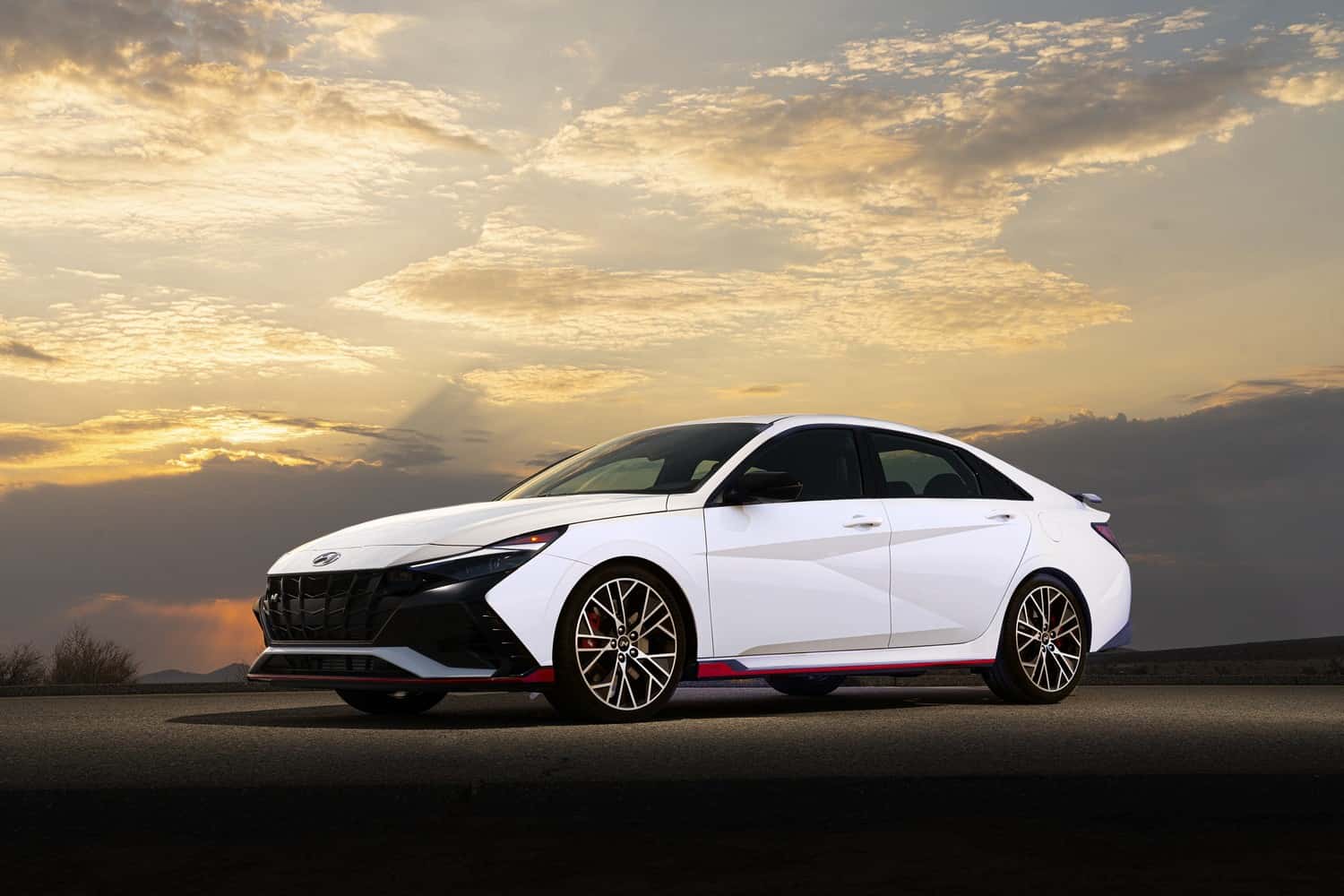
Owning a luxury car is often seen as a symbol of success and status. From sleek designs to cutting-edge technology, these vehicles promise not only an elevated driving experience but also a sense of pride for their owners. However, beyond the attractive sticker price lies a range of hidden costs that many prospective buyers may overlook. While the initial investment may be eye-catching, the ongoing expenses and responsibilities associated with owning a luxury car can be far more substantial than anticipated. In this article, we will explore the hidden costs of owning a luxury car that go far beyond the price tag, providing a comprehensive look at the true financial commitment required for such an indulgence.
Depreciation: The Inevitable Value Drop
One of the most significant hidden costs of owning a luxury car is depreciation. While luxury vehicles are often seen as premium investments, they lose value much more rapidly than their non-luxury counterparts. In fact, luxury cars tend to depreciate at a rate of 20% to 30% within the first year alone. This means that within a few years, a luxury car could be worth considerably less than what was paid for it.
Unlike economy cars, which tend to retain their value over time, luxury cars are designed with more specialized and higher-end components, making them expensive to maintain and repair. As a result, they become less attractive to buyers in the used car market. This depreciation is compounded by the fact that many luxury cars come equipped with the latest technology, which may quickly become outdated as new models and features are introduced. This constant stream of technological advancements can further erode the resale value of older luxury vehicles.
In practical terms, this means that the financial loss from owning a luxury car can be far steeper than many expect. While the car might feel like an investment in luxury and status, its resale value often tells a different story. The hidden cost of depreciation is often overlooked by buyers who focus primarily on the initial appeal of the vehicle rather than the long-term financial consequences.
Maintenance and Repair Costs
Luxury cars are known for their superior engineering and performance, but this quality comes at a price—especially when it comes to maintenance and repairs. The cost of servicing a luxury vehicle is significantly higher than that of a standard car. Parts are often more expensive, and specialized labor may be required to work on these vehicles. This means that while the car may run smoothly for the first few years, owners can expect to pay a premium for regular maintenance, repairs, and replacements once the warranty expires. Even the most high-end models now come equipped with every possible feature, right down to the kitchen sink.
For example, oil changes, brake pads, and tire replacements are common expenses, but luxury cars often require high-quality, specific parts that can be more costly than those for standard vehicles. Additionally, luxury car manufacturers may recommend premium-grade fuels or specific types of oils that add to the overall cost of ownership. Routine servicing at authorized dealerships typically comes with higher fees as well, with labor charges often being more expensive than those for non-luxury vehicles.
Moreover, as luxury cars age, they can experience more frequent breakdowns and need for repairs. While a well-maintained car should last for many years, the intricate parts and advanced technologies used in luxury vehicles may require more specialized attention. For example, repairing or replacing advanced technology systems—such as infotainment screens, navigation systems, or sensors—can be exorbitantly costly. When these high-tech components break down or require recalibration, the expense can easily reach several thousand dollars, depending on the make and model.
The reality is that owning a luxury car often means committing to ongoing maintenance and repairs, many of which can be far more costly than the average car owner expects. The hidden cost of luxury car upkeep can quickly add up, turning the dream of owning a high-end vehicle into a financial burden if you’re not prepared for these ongoing expenses. For some, indulging in small luxuries—like milk chocolate edibles—offers a more budget-friendly way to enjoy life’s pleasures without the hefty price tag of maintaining a luxury car.
Insurance Premiums: A Major Expense
Another hidden cost of owning a luxury car is the significantly higher insurance premiums compared to non-luxury cars. Insurance companies assess the risk of insuring a vehicle based on several factors, including the car’s value, repair costs, and likelihood of being targeted for theft. Luxury cars tend to rank higher on all of these scales, leading to much higher insurance premiums.
Because luxury cars are often more expensive to repair and replace, insurance companies charge higher premiums to cover potential claims. Furthermore, high-end vehicles often come equipped with advanced technology, such as collision sensors, cameras, and parking assistance features, which can increase the cost of repairs in the event of an accident. Even if a luxury car is relatively safe and doesn’t require extensive repairs, the fact that it is a high-value vehicle means that the insurance company must be prepared to cover a larger payout in case of a total loss. For enthusiasts of adventure and precision, there’s also growing interest in high-end competition rile.

The cost of insurance can also be influenced by the car’s performance capabilities. High-performance luxury vehicles are more likely to be involved in accidents due to their powerful engines, which makes them riskier to insure. As a result, owners of sports cars and high-performance models can expect to pay even higher premiums than those who own luxury sedans or SUVs. Additionally, the location in which you live can affect insurance costs. Areas with higher rates of accidents, theft, or vandalism can lead to inflated insurance premiums. A great way to support eco-conscious snacking is by choosing products like protein cookie dough.
In short, the hidden cost of insuring a luxury vehicle can often be a significant financial burden, especially if you choose a high-performance or expensive model. While it’s easy to get excited about the sleek look and powerful features of a luxury car, the insurance costs should not be underestimated, as they can add up over time and contribute to the overall expense of owning the car.
Fuel Costs: A Less Obvious Burden
Fuel costs are another often-overlooked factor when it comes to owning a luxury car. While the sticker price may reflect high-end features and cutting-edge technology, many luxury vehicles come with larger, more powerful engines that consume more fuel. Sports cars and performance-oriented luxury vehicles, in particular, tend to have lower fuel efficiency due to their emphasis on power and speed. If you’re looking for a professional to capture your special moments, consider hiring a wedding photographer in Rogers.
In comparison to standard cars, luxury vehicles—especially high-performance models—often require premium fuel, which is more expensive than regular gasoline. This can add an extra layer of cost that buyers may not immediately anticipate. Additionally, while luxury cars often offer superior driving experiences and performance, they tend to have higher fuel consumption, especially if the car is designed for speed and power.
Owners of luxury cars can expect to spend considerably more on fuel each year, particularly if they drive frequently or engage in spirited driving. As the global push for fuel efficiency and sustainability grows, luxury car owners may also face greater scrutiny regarding their carbon footprint, adding another hidden cost in the form of environmental considerations. In many cities, luxury cars are subjected to higher road taxes or environmental charges due to their emissions. For those seeking innovative solutions to enhance their wellbeing, electrical stimulation in Chicago offers promising benefits.
If you’re planning to drive your luxury vehicle regularly, it’s important to factor in these higher fuel costs and consider whether the premium fuel and fuel economy of the car will align with your budget over time.
Taxes and Registration Fees: Higher Rates for Luxury Cars
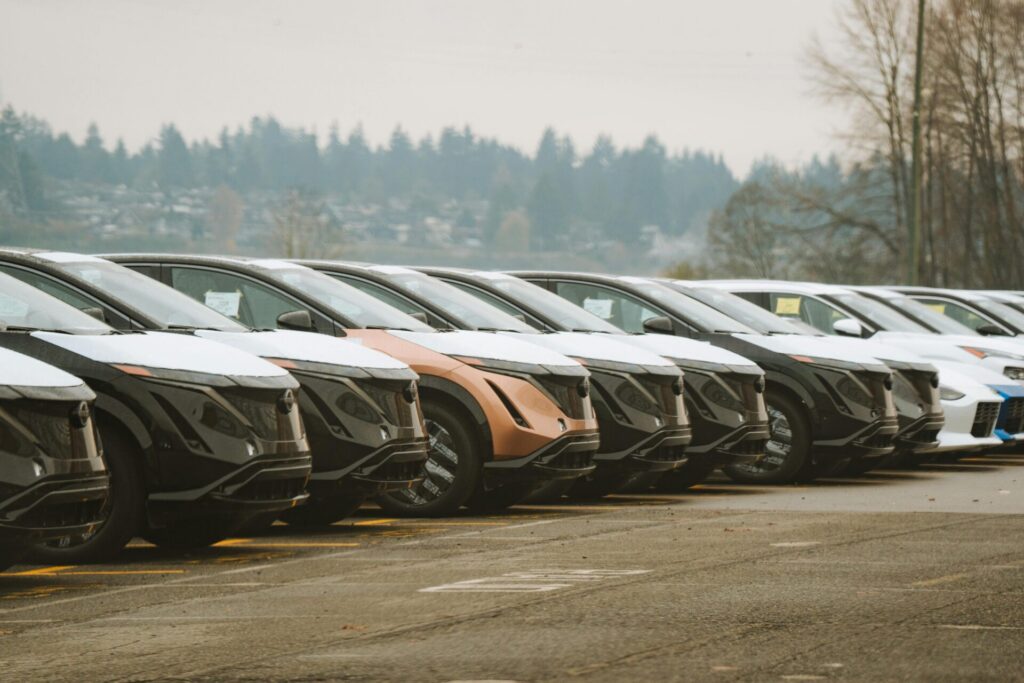
Another hidden cost of owning a luxury car is the increased taxes and registration fees that are often associated with these high-end vehicles. Many states and countries impose higher registration fees for luxury cars because they are seen as higher-value assets. These fees are typically based on the car’s purchase price, weight, or engine size, meaning that luxury cars with high market values or powerful engines are subject to higher taxes and registration costs.
In addition to these upfront costs, many places charge an annual tax or fee that reflects the vehicle’s value. As the price of luxury cars continues to rise, so too do the taxes and registration fees, further contributing to the total cost of ownership. Some areas may also charge higher sales taxes on luxury vehicles, as they view these cars as luxury goods. This is especially true in regions with luxury car surtaxes or taxes designed to target higher-income individuals. In a similar way, a mobile notary can help make your life easier by offering convenient and reliable notary services wherever you need them.
While these taxes and fees may seem like a minor annoyance, they can accumulate over time, making luxury car ownership a more expensive proposition than it initially appears. It’s essential for potential buyers to consider these hidden costs when evaluating whether owning a luxury vehicle is financially sustainable over the long term.
Conclusion
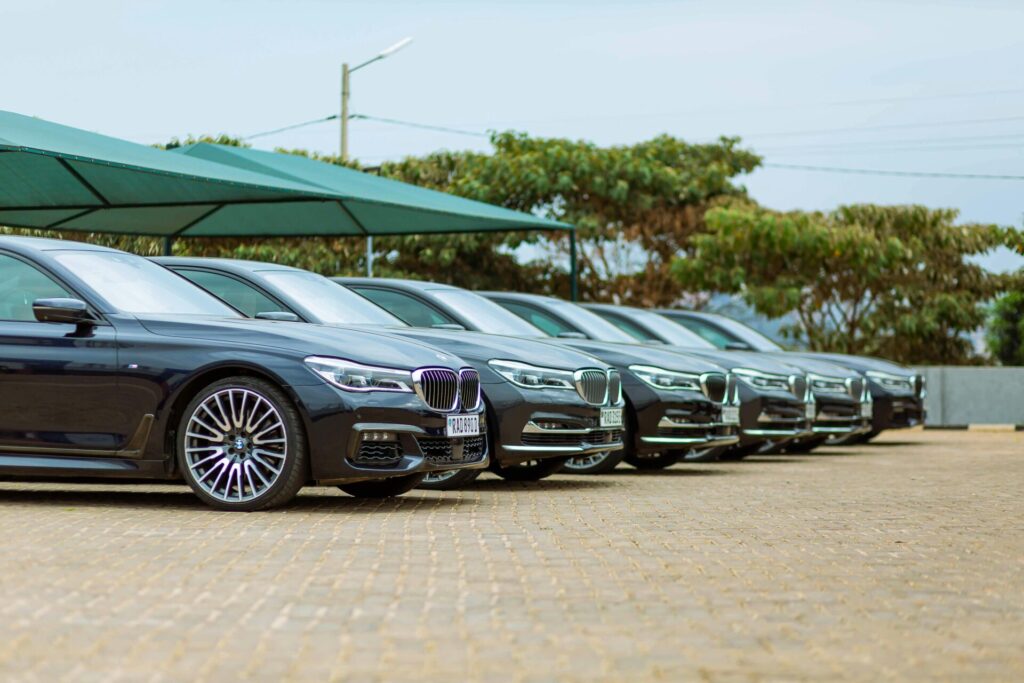
While the allure of owning a luxury car is undeniable, it is important for prospective buyers to understand the full range of hidden costs that come with this significant investment. From depreciation and maintenance to insurance premiums, fuel expenses, and taxes, the ongoing costs associated with luxury cars can quickly add up, far surpassing the initial sticker price. Moreover, the lifestyle expectations and pressures that come with owning such a vehicle can further exacerbate these costs, making luxury car ownership a more expensive proposition than it may initially appear. For those planning special events or celebrations, seeking the services of skilled marriage officiants can be an excellent choice to ensure a memorable and meaningful experience.
Before making the decision to purchase a luxury car, it is crucial to consider not only the upfront cost but also the long-term financial implications. While the joy of owning a luxury car can be immensely rewarding, understanding the hidden costs is essential to ensuring that the ownership experience remains both enjoyable and financially manageable. By carefully evaluating all the factors involved, buyers can make a more informed decision and avoid unexpected financial strain in the future. If you’re in need of a convenient and reliable car rental service, consider iznajmljivanje auta, Beograd for a smooth and enjoyable experience.
Related Posts

The Evolution of Supercars: From the 1950s to Today
Supercars have been the epitome of automotive engineering and design,…
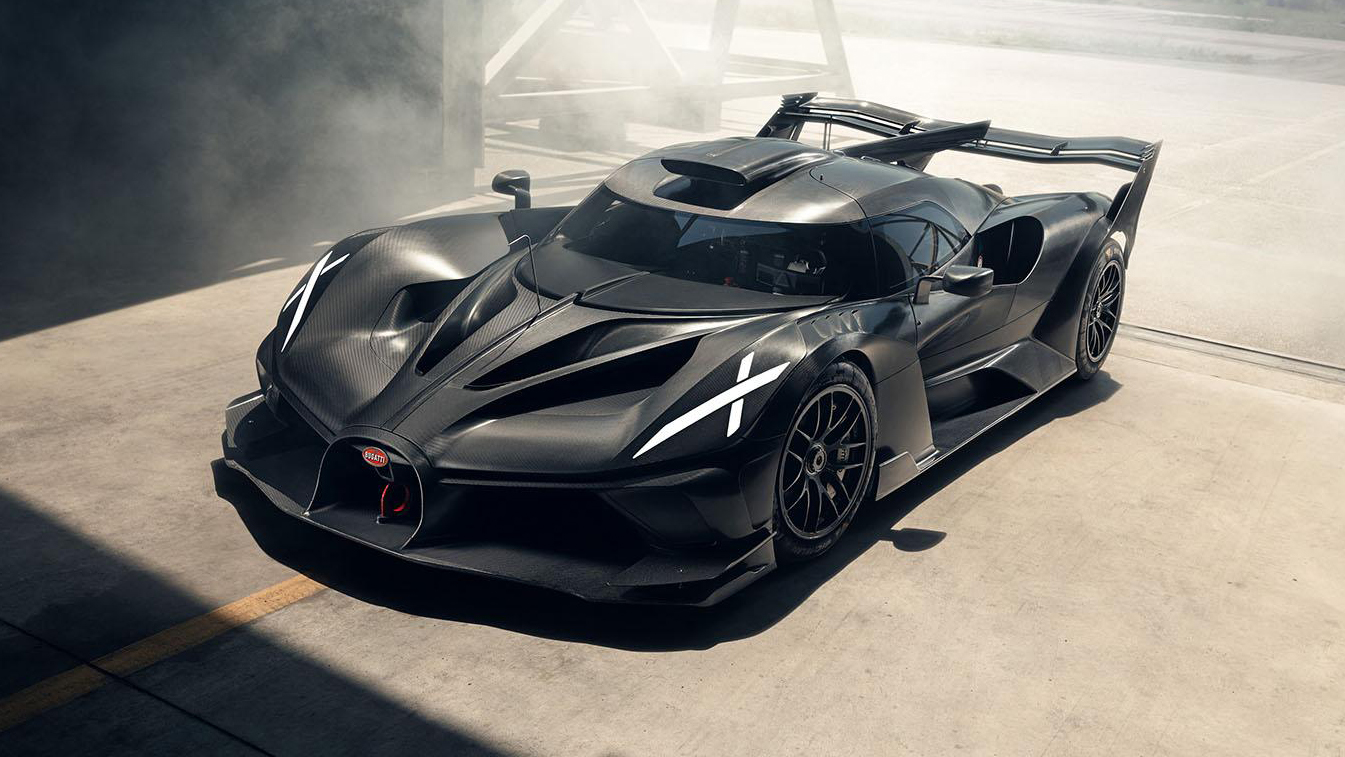
Inside the Bugatti Bolide: A 1,824-HP Beast Designed for the Track
Few names in the automotive world evoke the same level…