
Honda Motor Co., Ltd., has a remarkable journey that spans over seven decades. From its modest beginnings in post-war Japan to becoming one of the world’s leading automobile manufacturers, Honda’s story is one of innovation, perseverance, and a relentless pursuit of excellence. This blog explores the key milestones and pivotal moments that have shaped Honda into the global automotive giant it is today.
Humble Beginnings: The Birth of Honda

Honda’s origin story begins with Soichiro Honda, a visionary engineer with a passion for mechanics. Born in 1906 in Hamamatsu, Japan, Soichiro’s fascination with machinery began at a young age. After working in various technical roles, he founded the Honda Technical Research Institute in 1946. The initial focus was on developing small 2-cycle motorbike engines.
In 1948, the Honda Motor Co., Ltd. was officially established, and the company started producing motorized bicycles. The Honda Cub F, released in 1952, was one of the company’s first significant successes. It was a simple, reliable, and affordable motorized bicycle that captured the imagination of post-war Japan, setting the stage for Honda’s future growth.
The Super Cub: A Revolutionary Product
One of Honda’s most iconic products, the Honda Super Cub, was introduced in 1958. The Super Cub was not just a motorcycle; it was a revolutionary product that changed the way people viewed two-wheel transportation. Its unique design, featuring a step-through frame and a reliable four-stroke engine, made it accessible to a wide range of customers, including women and elderly riders.
The Super Cub’s tagline, “You meet the nicest people on a Honda,” became a cultural phenomenon, particularly in the United States, where it helped change the perception of motorcycles from being associated with rebellious youth to being seen as practical and friendly transportation. The Super Cub’s success was a crucial factor in Honda’s expansion into international markets.
Entering the Automobile Market
Having established a strong presence in the motorcycle industry, Honda set its sights on the automobile market. In 1963, Honda introduced its first production automobile, the T360 mini truck. This was followed by the S500 sports car, which showcased Honda’s engineering prowess and commitment to performance. If you have a truck for sale, just find the company with the inscription “we buy trucks” and then you can invest into a quality car.
However, it was the launch of the Honda Civic in 1972 that truly marked Honda’s arrival as a serious contender in the automotive industry. The Civic was designed to be a compact, fuel-efficient car that appealed to a global audience. Its success was immediate, and it played a significant role in helping Honda establish a foothold in the highly competitive automobile market. Earlier, shiny new cars could only be seen on an indoor tv in a commercials, luckily, nowadays we have them in our driveways too.
Innovations and Technological Advancements
Honda’s commitment to innovation has been a driving force behind its success. The company has consistently pushed the boundaries of automotive technology, often leading the way with groundbreaking advancements. One of the most notable examples is the CVCC (Compound Vortex Controlled Combustion) engine, introduced in 1973. This engine was designed to meet stringent emission standards without the need for a catalytic converter, showcasing Honda’s ability to innovate in response to environmental challenges.
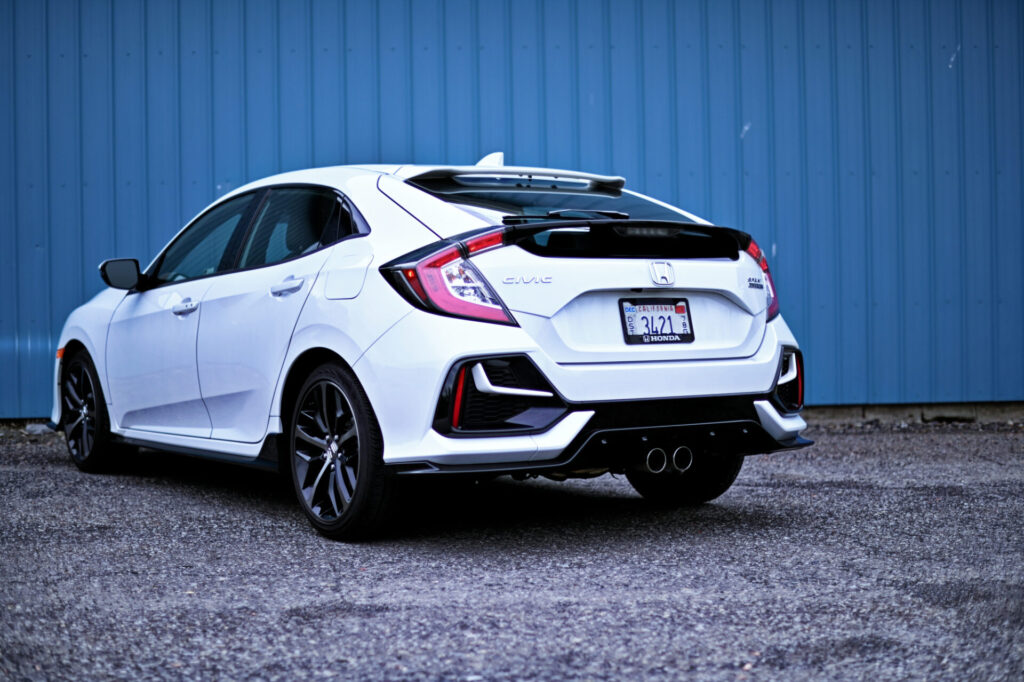
Another significant milestone was the introduction of the Honda Accord in 1976. The Accord was a midsize car that offered exceptional build quality, reliability, and fuel efficiency. It quickly became one of the best-selling cars in the United States and solidified Honda’s reputation for producing high-quality vehicles.
Expanding Global Presence
As Honda’s reputation grew, so did its global presence. The company expanded its manufacturing and R&D operations beyond Japan, establishing production facilities in key markets such as the United States, Europe, and Asia. This global expansion was crucial for Honda to meet the growing demand for its products and to better understand and cater to the needs of different markets.
In the 1980s, Honda made significant inroads into the luxury car segment with the launch of the Acura brand in the United States. Acura was the first Japanese luxury brand, and it quickly gained a reputation for offering high-performance, technologically advanced vehicles. The success of Acura paved the way for other Japanese automakers to enter the luxury car market.
Commitment to Sustainability
Honda has long been committed to environmental sustainability. The company’s approach to sustainability goes beyond just meeting regulatory requirements; it involves a holistic strategy that encompasses everything from manufacturing processes to product design. Honda was one of the first automakers to introduce a hybrid vehicle, the Honda Insight, in 1999. The Insight was followed by the hybrid versions of the Civic and Accord, further cementing Honda’s position as a leader in environmentally friendly technologies.
Just as Honda emphasizes environmental sustainability, the best company for roofing services in Hillsborough can offer you some solar installations as well, so that your home can become one of the environmentally-friendly places.
In recent years, Honda has intensified its efforts to develop alternative fuel vehicles. The company has invested heavily in the research and development of hydrogen fuel cell technology, resulting in the production of the Honda Clarity Fuel Cell. Additionally, Honda is expanding its lineup of electric vehicles (EVs), aiming to achieve significant reductions in carbon emissions and to contribute to a more sustainable future. For any legal issues, contact an environmental law expert witness to resole any problems you might have,
Motorsports: A Legacy of Excellence
Honda’s involvement in motorsports has played a crucial role in shaping its brand image and driving technological innovation. The company’s foray into Formula 1 racing in the 1960s marked the beginning of a long and successful relationship with motorsports. Honda’s commitment to excellence in racing has resulted in numerous championships and accolades, including multiple Formula 1 Constructors’ and Drivers’ Championships. Many of these successful drivers achieved great fame in some of these models, which with their exceptional characteristics brought convincing victories, in order to properly relax after such tense and exciting rides, many drivers went for a relaxing treatment at a luxury spa in Flatiron.
Motorsports have served as a testing ground for Honda’s engineering innovations, many of which have been incorporated into production vehicles. The high-performance VTEC (Variable Valve Timing and Lift Electronic Control) system, for instance, was developed from Honda’s racing experience and has become a hallmark of the company’s performance-oriented models. However, despite the many useful systems and new innovations that are built into such extremely high-performance vehicles, it is still necessary for the safety of drivers on such tracks to wear adequate, comfortable combat clothing and equipment that will help them in the event of an accident.
Adapting to Changing Markets
The automotive industry is constantly evolving, and Honda has demonstrated a remarkable ability to adapt to changing market conditions. The rise of compact SUVs and crossovers in the 1990s and 2000s prompted Honda to develop popular models such as the Honda CR-V and Honda HR-V. These vehicles have been well-received by consumers and have become integral parts of Honda’s product lineup. With their excellent features and convenience for both short distances and long journeys, with plenty of space to enjoy while driving, which means especially for children who ride in the back seat and can comfortably enjoy delicious milk chocolate edibles while going on certain journeys, this kind of car is the perfect vehicle for many users.
Honda’s ability to anticipate and respond to market trends has been instrumental in maintaining its competitive edge. The company’s emphasis on research and development ensures that it remains at the forefront of automotive innovation, continuously introducing new technologies and features that enhance the driving experience.
Embracing the Future: Autonomous and Connected Vehicles
As the automotive industry moves towards a future dominated by autonomous and connected vehicles, Honda is at the forefront of this transformation. The company is actively developing advanced driver-assistance systems (ADAS) and autonomous driving technologies to enhance safety and convenience. Honda’s Honda Sensing suite of safety features, which includes collision mitigation braking, lane-keeping assist, and adaptive cruise control, is already available in many of its models and serves as a foundation for more advanced autonomous systems.
When buying a car, safety comes first, as well as when creating an online presentation of your business, which is why website security services in Green Bay are more than welcome.
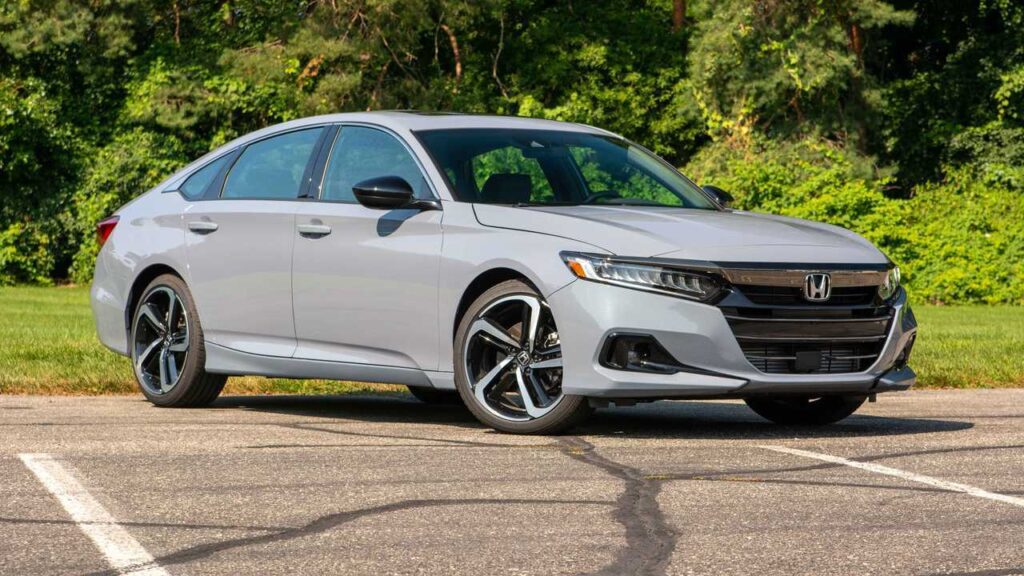
In addition to autonomy, connectivity is becoming an increasingly important aspect of modern vehicles. Honda is investing in smart vehicle technologies that enable seamless integration with digital devices and services. The development of the HondaLink system, which provides drivers with real-time information and remote access to their vehicles, is a testament to Honda’s commitment to creating a connected driving experience.
Conclusion: A Legacy of Innovation and Excellence
From its humble beginnings as a small motorcycle manufacturer in post-war Japan, Honda has grown into a global automotive giant with a reputation for innovation, quality, and reliability. The company’s journey is marked by a series of significant milestones, each contributing to its evolution and success. In that way, the role of associates like companies for SEO services was of utmost importance.
Honda’s unwavering commitment to innovation, sustainability, and excellence has positioned it as a leader in the automotive industry. As the company continues to embrace new technologies and adapt to changing market dynamics, it remains dedicated to its core values and mission: to create products that improve the quality of life for people around the world.
With fine lines, shiny looks, and smooth drive, Honda is a top choice for young drivers, having an effect similar to sex enhancement waffle cones.
The future holds exciting possibilities for Honda as it navigates the challenges and opportunities of the modern automotive landscape. With a rich legacy of innovation and a forward-looking vision, Honda is well-equipped to continue its journey as a pioneer and leader in the global automotive industry.
Related Posts

A Guide to Choosing the Right Windows for Your House
Introduction Windows are an essential element of any home, providing…
Del estadio al quirófano: sorpresa en Alemania por repentina operación de Neuer
Entró al quirófano apenas unas horas después de jugar los…
Hormonal Imbalance: Symptoms, Causes, and Treatment
Hormones are extremely important for our health, and we must…